When someone is on your reserved campsite: first calm steps
You pull into the park at golden hour, and your reserved site is already occupied. Before you decide that the campground has failed you, quietly confirm every reservation detail on your phone or printed paperwork. This is the moment when the “someone is on my reserved campsite, what do I do?” question becomes a practical checklist, not a panic spiral.
Start by checking the exact campground name, loop, and site number against the map at the entrance. Then verify your reservation dates, the length of your camping stay in days and each night, and the reservation window that your platform confirmed when the booking was made. Luxury and premium campsites in state parks and private parks alike expect guests to know their own arrival day, departure day, and check-in time before any dispute begins.
Look closely at the confirmation email for the facility reservation line that shows the camping unit type, the number of nights, and any vehicle pass or towed vehicle details. You should also confirm that the credit card charge went through and that the reservation fee and any other camping fees were actually paid. If you booked by phone through a call center, scroll to the section that lists the day reservation number, the state or region, and any special notes about late arrival or multiple vehicles.
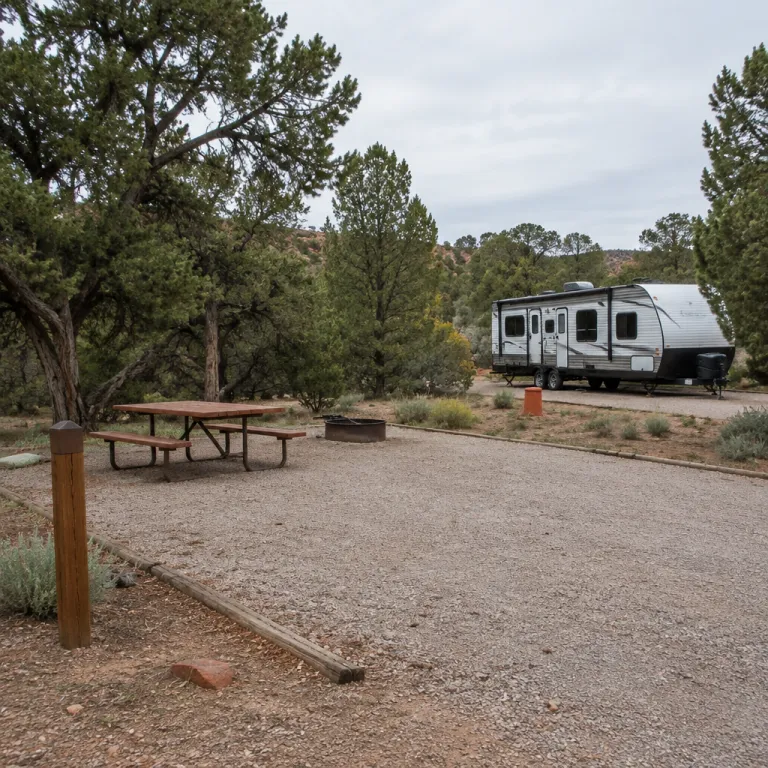
Once you have confirmed that your reservation will stand on paper, take a breath and assess the occupied site from a distance. Note whether the camping unit there matches your reservation dates or looks like a same-day walk-up that simply chose an empty-looking site. In many premium campgrounds, especially in busy state park locations, guests misread the map and slide into the wrong campsites without any bad intent.
Before you speak to anyone, photograph the site post that usually lists the name or reservation dates for that specific site. Some state parks and private parks clip a printed tag to the post that shows the nights booked and the days prior or days arrival rules. Those images, alongside your digital reservation, will help the campground team at reception or the camp host resolve the occupied-site problem quickly and fairly.
Quick action checklist when your reserved campsite is taken:
- Confirm campground name, loop, and site number on your confirmation.
- Verify dates, check-in time, and camping unit type.
- Make sure your payment and reservation fee were processed.
- Photograph the site post and any tag showing dates or names.
- Stay calm and head to the office, ranger station, or camp host.
Why your reserved luxury campsite is occupied: errors, squatting, and system gaps
Once you know your reservation is correct, the next step is understanding why someone is on your reserved campsite in the first place. In high demand state parks and in polished private parks with lake views and full hookups, double bookings still happen when reservation systems sync slowly or staff override a block. The result is that two reservations will show the same site and night, leaving the campground to decide who actually holds the facility reservation.
More often, the problem is human rather than technical, especially in sprawling campgrounds with multiple loops and similar numbers. A tired driver may roll past the correct site, see an empty fire ring and picnic table, and assume that the open site is theirs for the night. Families arriving after a long day of driving sometimes forget to check time rules on the map and simply choose the first convenient site, which turns your campsite conflict into their honest mistake.
There is also the less comfortable reality of squatting, which appears even in premium camping areas that charge a high fee per night. Some guests deliberately ignore reservation dates and stretch their stay by extra days, hoping that no one with a valid day reservation will arrive. In state parks and private luxury campsites alike, this behavior usually violates camping fees rules, vehicle pass limits, and maximum days prior stay policies.
Luxury and premium booking platforms try to reduce these issues with tighter reservation windows and clearer reservation fee structures. When you book a high end campground with a pool, spa, or adjacent cabins such as the refined escapes in Broken Bow cabins with poolside luxury described on this detailed property review, the expectation is that each site is curated and controlled. Yet even there, a towed vehicle might be parked on the wrong pad, or a guest might misunderstand which camping unit type belongs on which site.
Understanding these patterns helps you frame the conversation when you finally speak to staff about a taken campsite and what to do next. You are not just a frustrated traveler; you are a guest who knows that the campground has obligations under its own reservation policies. That knowledge, paired with your documentation of fees, reservation dates, and any vehicle pass rules, gives you calm authority when you ask the team at reception to fix the error.
Who to talk to first: hosts, rangers, and reception instead of confrontation
When you find someone on your reserved campsite, resist the urge to march straight into a confrontation. The most effective move in any campground standoff is to go first to the camp host, ranger, or reception desk and present your reservation calmly. This is especially true in luxury camping environments where guest experience is curated and the campground wants to protect both privacy and safety.
Walk or drive to the entrance station or campground office, bringing your printed or digital confirmation that shows the site number, reservation dates, camping unit type, and any vehicle pass or towed vehicle notes. Explain that you arrived on your scheduled day and check time, that your credit card was charged the correct camping fees and reservation fee, and that another camping unit is currently occupying the site. Use precise language such as “my facility reservation for this state park or private park shows this specific site for these nights” rather than vague complaints.
In many state parks, the ranger or host will check the central reservations system to confirm that your reservation will take priority if it was made first. They may also review the days prior cancellation rules, the day reservation logs, and any notes from the call center if you booked by phone rather than online. This back office work is invisible to you, but it is how they decide whether the other party is in the wrong site or whether the system created overlapping reservations.
Once staff understand the situation, they usually prefer to approach the occupied site themselves, rather than sending you to negotiate with another guest. This protects you from a potentially tense exchange and allows the campground team to reference park rules about maximum nights, fire ring use, and vehicle limits. If the other party simply misread the map, the ranger can often relocate them to an open site with minimal drama.
There are times when the campground cannot move the other guest easily, especially on peak holiday days when every site is full and camping fees are at premium levels. In those cases, the office may offer you an upgrade to a different loop, a partial refund of fees, or a future credit, particularly in high end properties that also manage winter lodges such as the refined Christmas holiday lodges for a magical winter escape featured on this in depth review. Your calm, documented approach makes it easier for them to be generous with solutions.
Sample script for speaking with staff
“Hi, we just arrived and there is another camper on the site listed on our confirmation. Our reservation is for site 42 from June 10–13 for a 30-foot RV, and our card has already been charged the camping and reservation fees. Could you please check the system and help us sort out who should be on that site, or move us to an equivalent or better spot?”
Your rights, refunds, and rebooking when the site cannot be honored
Luxury and premium campgrounds market themselves with the same confidence as high end hotels, and that includes honoring reservations. When you ask what to do about an occupied reserved campsite and the answer from staff is that they cannot give you that site or an equivalent, you are entitled to a clear explanation of your options. Those options usually involve a mix of rebooking, refunds, and sometimes compensation in kind.
Start by asking the office to explain their written policy on camping fees, reservation fee charges, and any cancellation fee that might apply when the campground, not the guest, causes the problem. In many state parks and private parks, if the park cannot honor a confirmed facility reservation, the guest is offered a full refund of all fees including the reservation fee. Some systems also allow a no penalty change of reservation dates within the same season, which can be useful if your family can return within a few days.
Clarify whether the campground can move you to a comparable or better site in the same campground, even if that means a different loop or a slightly different check time. If they propose a site without a fire ring, with higher noise, or with more vehicle traffic, you are within your rights to ask for a partial refund of the fee per night. In premium properties that also manage RV resorts and glamping style cabins, such as those highlighted in the guide to why a Stay n Go RV escape belongs on your luxury travel list on this expert review, management often has more flexibility to offer upgrades or credits.
When the booking was made through a third party platform, you may need to contact that platform’s call center or online support to secure a refund to your credit card. Keep a record of who you spoke with at the campground, what they offered, and whether they confirmed that the reservation will be canceled without a cancellation fee. If you are within the usual days prior window for penalty free changes, make sure that any day reservation adjustments are documented so you are not charged for nights you did not stay.
For families traveling through multiple state parks over several days, one disrupted night can cascade into later arrivals and new reservation dates. Ask the campground team to note in your file that the park caused the issue, which can help if you need to explain late arrival at your next campground. A professional, precise conversation about fees, refunds, and rights turns the occupied-site dilemma into a solvable logistics problem rather than a ruined holiday.
Keeping the family calm: modeling composure in a public standoff
For premium family travelers, the real stress in a campsite standoff is often not the site itself but the children watching how you handle it. When someone is on your reserved campsite and you are tired from a long day of driving, it is tempting to vent your frustration loudly. Yet the most elegant response is to treat the situation as a minor operational glitch in an otherwise carefully planned trip.
Before you step out of the vehicle, explain to your children in simple terms that there has been a mix up and that the park team will help you sort it out. Emphasize that you have a valid reservation, that your camping fees and reservation fee are already paid by credit card, and that you will go to the campground office to clarify the reservation dates. This reassures them that adults are in charge and that the campsite problem has a process, not just emotion.
Give the kids a small task while you walk to reception, such as counting how many different camping units they can see or spotting the nearest state park trailhead on the map. This keeps them engaged and reduces the chance that they will witness any tense conversation between staff and the guests occupying your site. In luxury camping environments where the ambiance matters, your calm demeanor also signals to other guests that this is a managed situation, not a campground drama.
When staff accompany you back to the site, let them lead the conversation with the other party while you stand slightly aside with your family. If the discussion becomes heated, suggest that your children wait in the vehicle with a book or a snack, away from raised voices and any mention of fees, refunds, or rules. Your role is to model that even when a state park or private park makes a mistake, you respond with clarity and respect.
Later that night, once your tent is pitched or your RV is leveled on whichever site you end up with, you can debrief the day. Talk about how reservations, parks, and state park rules exist to make camping fair for everyone, and how sometimes systems fail but people fix them. That reflection turns a frustrating arrival into a quiet lesson in resilience, which may matter more to your children than the exact view from your fire ring.
Preventing future standoffs: booking strategies for premium campsite stays
The best answer to “someone is on my reserved campsite, what should I do?” is to reduce the odds that it happens again on your next trip. Premium travelers who treat campsite bookings with the same rigor as hotel reservations tend to encounter fewer surprises at arrival. That means understanding reservation windows, reading fine print on camping fees, and choosing parks that manage their inventory with care.
When you book, favor platforms and campgrounds that show real time availability, clear maps, and explicit rules about maximum nights and days prior cancellation. Look for language that explains how the reservation will be handled if the park cannot honor the specific site, including whether they guarantee a comparable site or only a spot somewhere in the campground. In state parks, check whether the system assigns sites automatically or allows guests to choose, because auto assignment can reduce the risk of two camping units claiming the same site.
Before your trip, reconfirm your reservation dates and any linked vehicle pass or towed vehicle permits a few days prior to departure. Many systems allow you to verify your day reservation and check time online, which is especially useful if you have multiple parks booked over several days. If you booked through a call center, ask them to email a fresh confirmation so that your credit card details, fees, and any cancellation fee terms are clearly documented.
On the day of travel, aim to arrive within the posted check time window rather than at the last minute, when staff are busy and daylight is fading. Early arrival gives you more options if there is a problem, from moving to a different loop to negotiating a refund or fee adjustment before offices close for the night. It also allows you to choose a site with a well maintained fire ring, level pad, and minimal vehicle noise, which matters when you are paying premium rates for camping.
Finally, keep a simple folder or digital album with photos of site posts, receipts for camping fees, and screenshots of your reservations across different parks and state park systems. This quiet habit turns any future campsite mix up into a brief administrative conversation rather than a stressful argument. In the world of luxury and premium camping, where the promise is serenity under the stars, that kind of preparation is the most understated form of self care.
Key figures on campsite reservations, overbooking, and guest expectations
- According to the Kampgrounds of America North American Camping Report (for example, the 2023 edition), more than 50 million households camp at least once per year in the United States, which increases pressure on reservation systems in popular state parks and private campgrounds.
- Data published by several state park agencies in recent years show that peak season weekends can reach occupancy rates above 90 percent in flagship parks, meaning that a single double booked site can leave a family without options if the campground cannot reassign them.
- Surveys by outdoor hospitality associations indicate that a majority of campers now expect hotel style reliability from campsite reservations, with many willing to pay higher camping fees in exchange for guaranteed sites and transparent refund policies.
- Industry reports on online booking behavior suggest that more than two thirds of camping reservations are now made via digital platforms rather than call centers, which reduces some manual errors but can create new issues when systems are not fully integrated with on site operations.
- Guest satisfaction research in outdoor resorts shows that clear communication about check time, vehicle pass rules, and cancellation fee structures can reduce front desk conflicts by up to 30 percent, underscoring the value of precise pre arrival information.
FAQ: handling occupied reserved campsites in luxury and premium campgrounds
What should I do first if someone is on my reserved campsite ?
Confirm your reservation details on your phone or printed confirmation, including the campground name, site number, reservation dates, and camping unit type. Once you are sure your booking is correct and your credit card was charged the appropriate camping fees, go to the camp host, ranger, or office rather than confronting the other guest directly. Present your documentation calmly and let staff handle the conversation at the site.
Can a campground move me to a different site without my consent ?
Many state parks and private parks reserve the right in their terms to move guests to a comparable site within the same campground, especially during busy periods. However, in luxury and premium properties where specific views or amenities justify higher fees, guests reasonably expect that a reserved site will be honored or that any change will be an upgrade. If the alternative site is clearly inferior, you can request a partial refund or other compensation.
Am I entitled to a refund if my reserved site is not available ?
Policies vary by park and platform, so you should always read the camping fees and cancellation fee rules before booking. As a general practice, when a campground cannot honor a confirmed facility reservation, many operators offer a full refund of all fees, including the reservation fee, and sometimes a credit for a future stay. To secure this, document the issue at arrival and ask for written confirmation that the reservation will be canceled without penalty.
How can I reduce the risk of overbooking or site conflicts on future trips ?
Book through reliable systems that show real time availability, and always double check your reservation dates, site number, and vehicle pass details a few days prior to travel. Aim to arrive within the posted check time so staff can resolve any issues while offices are open and alternative sites are still available. Keeping organized records of your reservations across multiple parks also helps you demonstrate priority if a conflict arises.
Is it ever appropriate to ask the other camper to move myself ?
In some low key situations, such as when a neighbor has obviously misread the site post and is friendly, a polite conversation can resolve the issue quickly. However, in luxury and premium campgrounds where expectations and fees are higher, it is usually safer and more effective to let staff handle any relocation. This protects you from potential conflict and ensures that park rules about maximum nights, fire ring use, and vehicle limits are enforced consistently.