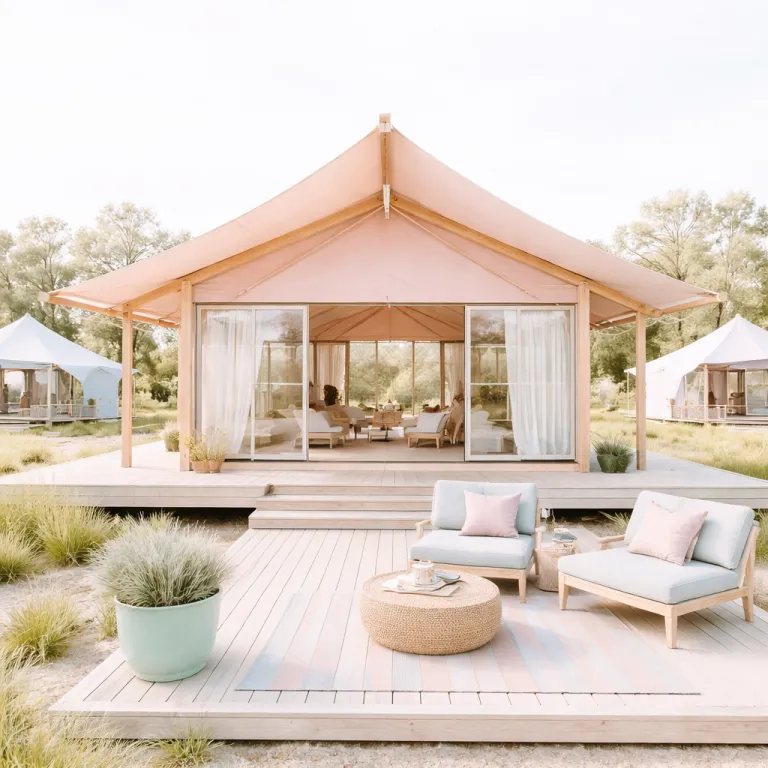
The new frontier of glamping architecture design
Glamping architecture design is quietly redrawing the map of romantic escapes. Across the globe, couples are choosing a glamping resort over a conventional hotel when the architecture itself promises intimacy with nature and a sense of theatre. This shift is changing how premium camping platforms curate properties, because the line between campsite and hotel rooms is now a deliberate blur and a core part of the experience.
At its core, glamping combines glamorous comfort with a genuine camping experience in carefully designed structures that sit lightly on the land. Architects use modular architecture, prefabricated cabins, and sculptural tent house concepts to give you a hotel level bed, heating, and spa style bathrooms while keeping the forest view and night sky unobstructed. As one expert definition puts it, “What is glamping? A blend of 'glamorous' and 'camping', offering luxury outdoor accommodations.”
For couples browsing a luxury booking website, the most striking projects feel more like inhabiting a tiny private house in the wild than renting a pitch. These glamping structures are designed as standalone architecture glamping icons, from geodesic domes to elevated forest cabin suites that frame the landscape like a cinematic image gallery. The best platforms now treat each tent or cabin as a design object, not just inventory, and that mindset is reshaping expectations of what a resort in nature can be.
Blending into nature or making an architectural statement
Every serious glamping architecture project starts with a choice: should the structures disappear into nature or stand out as sculptural landmarks? In South Korea, ArchiWorkshop and Atelier Chang have become reference names because they answer this question in radically different ways, yet both elevate the camping experience. Their work, regularly featured in architecture magazines and design blogs, shows how a glamping resort can either echo the forest or deliberately contrast with it, while still feeling respectful.
ArchiWorkshop’s glamping architecture in Yangpyeong-gun, south of Seoul, completed around 2013, uses soft, tubular house tent forms that snake across the landscape like a line of light. Each tent house is designed with curved walls and minimal footprints, so the architecture follows the terrain instead of fighting it, and the forest cabin interiors feel cocooned rather than enclosed. Photographs by Kyungsub Shin, widely circulated since the project’s completion in the mid-2010s, highlight how the white structures glow at dusk, turning a simple camping field into a curated design gallery. Image: ArchiWorkshop glamping tents in Yangpyeong-gun, photographed by Kyungsub Shin.
By contrast, Atelier Chang’s glamping projects in South Korea use bolder geometry and colour to create a clear brand identity for each resort. Here, glamping structures are stacked or staggered like tiny houses on a hillside, with each cabin angled for a private view and a strong silhouette against the sky. For couples booking through a premium platform, this tension between blending in and standing out becomes part of the decision: do you want nature glamping that feels almost invisible, or architecture glamping that makes every arrival feel like checking into an art installation?
Materials, technology and the price of a night under the stars
Behind the romance of glamping architecture design lies a very practical question: what justifies resort level pricing for a tent in the woods? The answer usually sits in the materials, the technology, and the way the structures are designed to save the landscape from heavy intervention. When you pay a premium on a booking website, you are often paying for low impact engineering as much as for a plush mattress.
Many of the most interesting projects use modular architecture and prefabricated cabins that can be installed with minimal foundations, then removed without scarring the site. Geodesic domes, tensile tent structures, and tiny house style units often rely on renewable materials, high performance insulation, and smart climate systems that keep energy use low while maintaining hotel grade comfort. For instance, several Canadian dome resorts report using triple glazed openings and insulated fabric shells targeting roughly 30–40% lower heating demand than comparable timber chalets. This is where the promise “Is glamping environmentally friendly? Many glamping sites prioritize sustainability and eco-friendly practices.” becomes a concrete design brief rather than a marketing line, with some resorts publishing basic energy data or construction details to back up their claims.
Technology is also reshaping what couples expect from a forest cabin or house tent, from app controlled lighting to in tent spa amenities and off grid saunas that tap into the “Fire and Ice” trend. When a glamping resort offers voice controlled systems, curated landscape architecture, and private decks with a panoramic view, the nightly rate starts to feel closer to a design forward hotel than to traditional camping. For discerning travellers, the key is to check whether the price reflects thoughtful architecture and durable materials, or simply a standard tent dressed up with resort language and filtered photography.
Where architecture glamping becomes the destination
Some glamping architecture has become so distinctive that travellers choose the destination for the structures alone. Les Dômes Charlevoix in Canada, designed by Bourgeois Lechasseur architectes and completed around 2018, is a clear example where the domed cabins and their sweeping view over the landscape are the main draw. In Spain, Canobardin’s TipiTop tents, developed in the late 2010s, show how a carefully designed tent house can feel as considered as a small hotel, with architecture and interior design working together. Image: Les Dômes Charlevoix geodesic domes overlooking the St. Lawrence River, by Bourgeois Lechasseur architectes.
Beyond these, projects such as the Treehotel cabins in Harads, Sweden (by Tham & Videgård Arkitekter and others, from 2010 onward) or the mirrored “Invisible Room” pods at Italy’s Mirror Houses (Peter Pichler Architecture, circa 2015) demonstrate how suspended suites and reflective micro-lodges can turn a forest or valley into an open air design museum. For couples, staying in these projects feels less like booking hotel rooms and more like stepping into a limited edition design experiment in the wild.
When you browse a curated platform such as CampsiteStay, look for listings that treat architecture as a primary filter, not an afterthought. Properties that highlight their landscape architecture, show detailed plans of their glamping structures, and explain how the cabins were designed to save the terrain from overbuilding usually deliver a richer camping experience. For a deeper dive into how storytelling and aesthetics shape these stays, the guide on how creative campground themes elevate luxury camping experiences is a useful companion read.
Navigating authenticity, luxury and digital storytelling
For many couples, the lingering question is simple: how much luxury can you add before glamping stops feeling like camping? The best glamping architecture design walks a fine line, keeping you close to nature while filtering out only the discomfort, not the experience itself. That means hearing the forest at night, smelling the rain on canvas or timber, and still returning to a well designed cabin with a hot shower and a proper bed.
Thoughtful projects use architecture to frame nature rather than to replace it, whether through a tiny elevated house tent with a retractable wall or a forest cabin with a skylight directly over the bed. Landscape architecture plays a quiet but crucial role here, guiding you along soft paths, shielding each tent house from its neighbour, and ensuring every deck has a considered view without feeling staged. As one clear comparison puts it, “How does glamping differ from traditional camping? Glamping provides amenities like beds and electricity, unlike traditional camping.”
On the digital side, premium booking platforms now curate each glamping resort with the care once reserved for urban design hotels, from the brand identity to the image gallery and even the social prompts to share on Facebook, Twitter, or similar channels. When you see a listing that simply pushes you to share on Facebook or other networks without showing plans, materials, or context, be cautious and look for more architectural detail. The most trustworthy hosts explain who designed their structures, credit architects such as ArchiWorkshop, Atelier Chang, Bourgeois Lechasseur architectes, or Canobardin where relevant, and treat their online presence as an honest extension of the place rather than a filter over reality.
FAQ
What should couples check before booking a glamping resort
Start by examining how the glamping structures are designed and placed within the landscape, not just how they look in close up photos. Look for clear information about materials, insulation, heating, and bathroom facilities, because these details determine whether the stay feels like a refined hotel experience or basic camping with a higher price tag. Finally, check maps and guest photos to understand the real view, privacy levels, and access to nature trails or water.
How is glamping architecture different from traditional camping accommodation
Traditional camping usually means bringing your own tent and sleeping on simple ground pads, with shared facilities and minimal built structures. Glamping architecture, by contrast, relies on purpose designed cabins, domes, or tent houses that offer hotel style beds, electricity, and often private bathrooms while still being immersed in nature. These structures are often modular and prefabricated, so they can be installed with less impact on the site than permanent buildings.
Is glamping really sustainable or just a marketing term
Glamping can be sustainable when the resort uses low impact foundations, renewable materials, and efficient energy systems, and when the architecture is designed to save the landscape from heavy construction. Many leading projects work with local communities and eco tourism organisations to manage waste, water, and visitor numbers responsibly. However, some properties use the term glamping mainly for branding, so travellers should look for concrete details about construction methods and environmental practices.
Where can travellers find architecturally interesting glamping sites
Architecturally ambitious glamping sites are now spread across regions such as Canada, Spain, and South Korea, where firms like Bourgeois Lechasseur architectes, Canobardin, ArchiWorkshop, and Atelier Chang have created notable projects. Design focused booking platforms and architecture magazines often highlight these resorts, with image galleries that show both the structures and their wider landscape context. When searching, combine terms like glamping architecture design, forest cabin, or geodesic dome with your preferred country or region to narrow the options.
How can guests balance authentic camping with comfort when choosing glamping
Think about which elements of camping matter most to you, such as cooking over a fire, hearing wildlife at night, or waking to a direct forest view. Then choose glamping structures that preserve those aspects, whether a simple but well insulated tent house or a tiny cabin with large openings, rather than fully enclosed units that feel like standard hotel rooms. Reading detailed reviews and studying site maps helps ensure the level of comfort enhances, rather than replaces, your connection to nature.