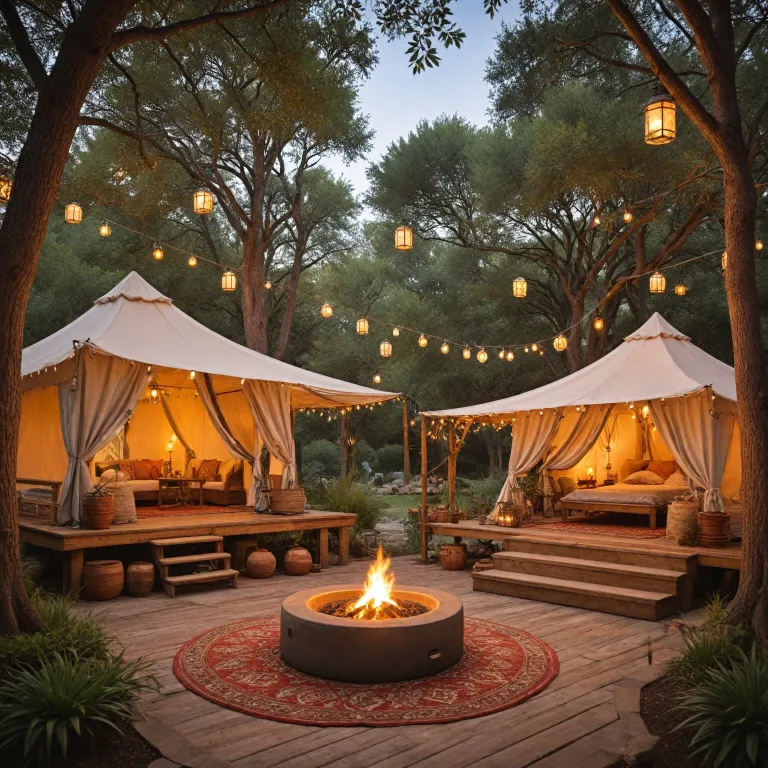
Designing campground themes for luxury minded campers
Luxury travelers increasingly expect a refined camping experience that still feels rooted in nature. When a premium campground develops clear campground themes, it can align every detail with guest expectations and create a coherent narrative. This narrative helps campers understand what kind of camping experience they are booking before they even arrive.
On a high end camping website, the most successful operators use imagery, copy, and filters to highlight each camp theme with precision. They show how themed activities, décor, and natural elements work together, so guests can easily find campground options that match their travel style. This approach reassures people who usually book a hotel that a camping trip can feel equally curated and comfortable.
For example, a lakeside campground may promote a wet wild weekend with paddle sports, a floating obstacle course, and sunset dance events on the beach. Another property might focus on a calm nature retreat, using forest based themes, soft lighting, and free camping yoga sessions to attract wellness focused campers. In both cases, the website should clearly present these unique themes so travelers can compare, select, and book with confidence.
Luxury platforms also need to show how themed weekends fit into the broader camping calendar across spring, summer, and autumn. A clear event schedule helps guests plan a specific camp day around a birthday party, a family reunion, or a romantic escape. By structuring information this way, the website will bridge the gap between traditional hotel booking habits and the more flexible rhythm of outdoor stays.
Translating themed experiences into premium booking journeys
For a luxury or premium booking website, the challenge is to translate campground themes into intuitive digital journeys. Travelers used to hotel search tools expect to filter by comfort level, amenities, and activities, so the same logic should apply to every camp listing. When the interface feels familiar, hesitant campers become happy camper guests more quickly.
Each campground page should clearly explain its main theme and any rotating themes across the season. If a property runs a christmas july celebration, a wet wild pool party, or a halloween trick treating trail, these themed activities must be highlighted with dates, images, and clear pricing. This level of detail helps families plan a camp day around kids schedules and school holidays.
Premium travelers also appreciate clarity about what is free and what is paid. A website that labels free camping perks, complimentary scavenger hunt kits, or no cost kids dance sessions builds trust and reduces friction at check in. When guests understand which events, golf cart parades, or obstacle course challenges require reservations, they can design their own camping trip with confidence.
To support this, booking flows should allow guests to add specific activities to their itinerary while they reserve their camp. For example, they might pre book a birthday party pavilion, register for a classroom camp style craft workshop, or secure a spot in a themed dance evening. This integrated approach turns a simple camping themed reservation into a fully planned camping experience that rivals an upscale resort stay.
Family friendly themes that attract hotel oriented guests
Many travelers who usually book hotels are drawn to campgrounds when they see clearly family focused themes. Parents want a safe environment where kids can enjoy fun activities while adults relax in comfortable surroundings. Luxury oriented campground themes should therefore balance playful energy with thoughtful services and amenities.
Family centric themes like summer camp weekends, happy camper festivals, or camping themed school break escapes work particularly well. A website can create curated collections that group camp and campground options by kid friendly themes, such as wet wild water play, nature exploration, or creative arts. Within each collection, the platform should highlight specific themed activities like scavenger hunt adventures, trick treating loops, or golf cart decoration parades.
These events help children connect with nature while still enjoying structured entertainment that feels familiar to hotel kids clubs. For example, a camp day might start with a classroom camp style nature lesson, continue with a forest scavenger hunt, and end with a campfire dance party. Parents see a clear schedule of events and feel reassured that the camping experience is both safe and enriching.
Luxury travelers also appreciate options for private celebrations within broader campground themes. A family might book a birthday party package that includes a decorated camp, reserved seating at evening events, and priority access to the obstacle course. When a website presents these unique themes and packages clearly, it will attract guests who previously assumed only hotels could deliver polished, family friendly stays.
Seasonal campground themes and event calendars
Seasonality is one of the strongest tools for creating memorable campground themes that feel fresh throughout the year. A premium booking website should therefore structure its content around seasonal themes, making it easy for guests to find campground options that match their preferred travel period. This approach mirrors hotel seasonal offers while emphasizing the strengths of outdoor stays.
In spring, many camp operators lean into nature and renewal, with camping themed weekends focused on wildlife walks, gardening workshops, and gentle dance evenings under blooming trees. Summer often brings more energetic themes, from wet wild water battles to summer camp style tournaments and late night events. Autumn is ideal for halloween trick treating trails, harvest festivals, and cosy campfire storytelling that highlight natural elements like falling leaves and crisp air.
A well designed website will present these themes in a clear calendar view, allowing guests to filter by theme, activities, and age suitability. For example, families with younger kids might choose a calm camp day with crafts and scavenger hunt games, while adults may prefer a weekend with live music and golf cart parades. The key is to show how each camping trip can be tailored through themed activities rather than leaving guests to guess.
Some luxury campgrounds also introduce unique themes such as christmas july celebrations, wellness retreats, or gourmet food weekends. By integrating these into the booking flow, the platform will encourage repeat visits as campers return to experience different themes. Over time, a rich calendar of events turns a single campground into a destination that rivals multi property hotel brands in guest loyalty.
Designing activities that elevate the camping experience
Thoughtfully designed activities are at the heart of successful campground themes, especially for guests transitioning from hotel stays. Instead of generic entertainment, luxury camp operators curate themed activities that align with a clear narrative and the surrounding nature. This alignment ensures that every camp day feels intentional rather than improvised.
For instance, a nature immersion theme might combine guided hikes, classroom camp style ecology talks, and a scavenger hunt focused on local flora and fauna. A more playful camping themed weekend could feature a wet wild water zone, a large obstacle course, and evening dance sessions for all ages. When these activities are presented on the website with vivid descriptions, travelers can easily imagine their camping trip unfolding hour by hour.
Family focused events like trick treating parades, golf cart decoration contests, and birthday party packages add layers of personalization. Parents appreciate knowing which activities are free camping perks and which require advance booking or an additional fee. Clear labeling on the website will reduce uncertainty and help campers feel like valued guests rather than casual visitors.
Luxury platforms should also highlight how natural elements are integrated into each camp theme, from stargazing decks to riverside yoga platforms. These details reassure hotel oriented guests that comfort and authenticity can coexist in one camping experience. By curating unique themes and communicating them clearly online, operators will attract discerning campers who value both creativity and reliability.
Building trust and loyalty through themed campground storytelling
Trust is essential when persuading hotel loyal travelers to book a campground for the first time. A premium website must therefore use storytelling around campground themes to convey safety, quality, and consistency. This storytelling should feature real campers, real activities, and real events rather than abstract promises.
One effective tactic is to structure each campground profile as a narrative journey through a typical camp day. The story might begin with a calm morning in nature, move through themed activities like a scavenger hunt or obstacle course, and end with a communal dance under the stars. By anchoring the description in specific events, the website will help guests visualise their own camping trip in detail.
Testimonials from families who enjoyed a christmas july celebration, a summer camp style festival, or a camping themed birthday party can further reinforce credibility. Visuals of kids in happy camper T shirts, decorated golf cart parades, and classroom camp craft corners show that the themes are genuinely implemented. Not all campgrounds offer themed weekends; it's best to check with individual campgrounds for their event schedules.
Finally, platforms should emphasise how easy it is to find campground options that match personal preferences and budgets. Filters for free camping nights, unique themes, and specific activities will guide guests who are new to camping. As travelers experience well executed campground themes that respect natural elements and guest comfort, they are more likely to return, recommend, and explore additional camps within the same curated collection.
Key statistics about themed campgrounds
- Number of Jellystone Park Camp-Resorts in the U.S. : 75 campgrounds.
- Estimated annual guests at Jellystone Park Camp-Resorts : 2 000 000 guests.
Essential questions about campground themes
What are some popular campground themes?
Popular themes include holiday celebrations (e.g., Halloween, Easter), nature exploration, adventure sports, and cultural festivals. Luxury focused platforms often highlight these campground themes with detailed activity schedules and curated packages. This helps travelers compare options in the same way they would evaluate different hotel concepts.
Do all campgrounds offer themed weekends?
Do all campgrounds offer themed weekends? Not all campgrounds offer themed weekends; it's best to check with individual campgrounds for their event schedules. On a premium booking website, filters and clear labels can quickly show which camp properties run regular events and which focus on quieter stays.
Are themed camping events suitable for all ages?
Are themed camping events suitable for all ages? Yes, many themed camping events are designed to be family-friendly and cater to all age groups. A well structured campground calendar will usually indicate whether specific activities are aimed at kids, teens, or adults, helping guests plan an inclusive camping experience.
Trustful expert sources
- https://www.nps.gov
- https://www.koa.com
- https://en.wikipedia.org/wiki/Yogi_Bear%27s_Jellystone_Park_Camp-Resorts