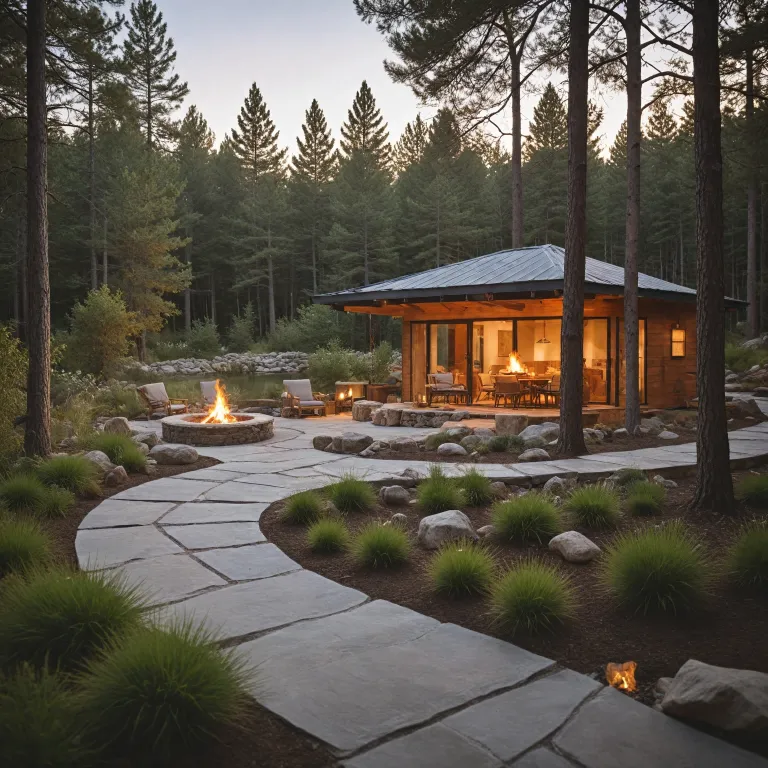
Eco-friendly lodging solutions for discerning campsite travelers
Eco-friendly lodging solutions at luxury campsites now rival high end hotels. Thoughtful operators in the hospitality industry weave sustainability into every detail, from tent design to curated guest experiences that feel indulgent yet responsible. This shift allows each guest to enjoy refined comfort while actively supporting sustainable tourism and measurable hotel sustainability outcomes.
At the heart of these eco friendly accommodations lies a commitment to sustainable energy and water systems that quietly support daily comfort. Smart meters track combined energy water use in real time, while low flow fixtures and rainwater harvesting reduce overall water consumption without compromising pressure or warmth. When paired with renewable energy sources such as solar arrays or small wind installations, these systems transform remote camps into truly sustainable hotel style retreats.
Luxury campsites increasingly adopt sustainable practices that mirror the best friendly hotels and environmentally friendly resorts. Insulated canvas, natural shading, and passive ventilation enhance energy efficiency, reducing the need for mechanical cooling in guest rooms and shared spaces. By integrating eco conscious materials and local craftsmanship, operators lower environmental impact while giving guests a tangible connection to the surrounding landscape and community.
Waste management is another pillar of sustainable hospitality in premium camping accommodations. Segregated bins, composting stations, and partnerships with recycling firms help reduce plastic waste and overall waste volumes across guest stays. These practices, when clearly explained, encourage guests to participate in sustainable travel habits that extend well beyond a single hotel or campsite booking.
For travelers comparing hotels and campsites, eco friendly lodging solutions offer a compelling alternative. Guests enjoy the privacy of spacious guest rooms or tents, refined amenities, and attentive service, yet stay aligned with sustainable tourism values. This balance of comfort, sustainability, and authentic local character defines the new generation of friendly accommodations in nature.
Designing sustainable accommodations that feel genuinely luxurious
Luxury eco friendly accommodations begin with design choices that respect the land. Elevated platforms protect soil and vegetation, while careful orientation maximizes natural light and cross ventilation to reduce energy demand. These sustainable practices create guest rooms that feel airy and serene, yet quietly efficient in their energy and water use.
High quality natural materials support both sustainability and comfort in these hotels and campsites. Responsibly sourced timber, organic textiles, and low VOC finishes reduce environmental impact while enhancing indoor air quality for every guest. When combined with local stone or reclaimed elements, they also celebrate local identity and reduce transport related energy and plastic waste in construction.
Thoughtful layouts in friendly accommodations prioritize privacy, views, and intuitive circulation. Short walking distances between tents, shared lounges, and spa areas reduce the need for internal transport systems, cutting energy use across the property. In parallel, shaded paths, native planting, and green roofs contribute to environmental benefits while elevating the sense of retreat that many guests seek from hotels.
Premium cabin style tents and lodges now rival traditional hotels in comfort and amenities. If you are considering a nature focused escape, exploring an option similar to an elegant cabin rental experience can illustrate how sustainable design and luxury coexist. These eco conscious accommodations often feature efficient stoves, natural insulation, and generous windows that reduce the need for artificial lighting and heating.
Design also plays a crucial role in managing water and waste in sustainable hotel style campsites. Greywater systems, discreet treatment wetlands, and refill stations for filtered water help reduce single plastics and overall waste volumes. By integrating these systems from the outset, operators create friendly hotels in nature that feel seamless to guests yet deliver strong sustainability performance.
Ultimately, design led eco-friendly lodging solutions show that sustainability and indulgence are not opposites. When every element, from guest rooms to shared decks, is planned with environmental impact in mind, the result is a refined, calm atmosphere. Guests leave with the sense that their travel choices have supported both local ecosystems and the long term resilience of the hospitality industry.
Energy, water, and waste systems behind sustainable hospitality
Behind the scenes, advanced systems turn eco-friendly lodging solutions from aspiration into daily reality. Smart controls for lighting, heating, and cooling optimize energy use in guest rooms and shared facilities without sacrificing comfort. These technologies, combined with renewable energy sources, help each sustainable hotel style campsite significantly reduce its carbon footprint compared with conventional hotels.
Energy efficiency measures now extend from the main lodge to the most remote tent. LED lighting, high performance insulation, and efficient appliances reduce overall energy demand, allowing smaller renewable energy installations to meet needs. Many friendly hotels in nature pair solar panels with battery storage, ensuring reliable power for guests while supporting broader sustainable travel goals.
Water stewardship is equally central to sustainable hospitality in premium campsites. Low flow showers, dual flush toilets, and aerated taps reduce water use without compromising the guest experience in these eco friendly accommodations. Some properties also implement rainwater capture and greywater reuse systems, which further reduce pressure on local water resources and support long term hotel sustainability objectives.
Waste management strategies focus on both reduction and responsible handling across hotels and campsites. Operators phase out single plastics in amenities, replacing them with refillable dispensers and durable containers that cut plastic waste at the source. Clear signage and staff guidance encourage each guest to sort waste correctly, supporting recycling and composting systems that minimize environmental impact.
Food and beverage operations at friendly accommodations also influence sustainability outcomes. Local sourcing reduces transport related energy use, while seasonal menus help reduce waste and support nearby producers. These practices align with sustainable tourism principles and give guests a more authentic sense of place than many conventional hotels can offer.
When energy water and waste systems work together, eco-friendly lodging solutions become powerful examples of sustainable hospitality. Guests enjoy seamless comfort, yet their stay supports regenerative environmental practices and responsible resource use. For travelers who value both luxury and sustainability, these integrated systems make premium campsites a compelling alternative to traditional hotels.
Reducing plastic and environmental impact in luxury campsites
One of the most visible shifts in eco-friendly lodging solutions is the move toward plastic free operations. Luxury campsites and hotels now replace miniature toiletries with elegant refillable dispensers, significantly reducing plastic waste per guest stay. This simple change, when scaled across many friendly hotels, has a meaningful environmental impact without diminishing the sense of indulgence.
Beyond bathrooms, operators target single plastics in every aspect of the guest journey. Reusable glass bottles, filtered water stations, and stylish carafes in guest rooms eliminate the need for disposable bottles in these eco friendly accommodations. By pairing these amenities with clear communication, campsites help each guest understand how small choices reduce waste and support sustainable travel.
Food service is another critical area for reducing plastic and overall waste in hotels and campsites. Compostable or reusable containers, cloth napkins, and bulk condiments replace individual packets that generate unnecessary plastic waste. These sustainable practices not only cut environmental impact but also elevate the dining experience, aligning with the expectations of eco conscious travelers seeking refined hospitality.
Housekeeping protocols in friendly accommodations now emphasize both hygiene and sustainability. Microfiber cloths, concentrated cleaning products, and refillable spray bottles reduce plastic and chemical use while maintaining high standards. When combined with linen reuse programs, these measures help hotels and campsites reduce energy water consumption and extend textile lifespans.
Back of house operations also play a decisive role in sustainable hospitality. Staff training ensures that waste sorting, recycling, and composting systems function effectively, turning policy into daily practice. Partnerships with local recycling firms and community organizations further strengthen hotel sustainability performance and support broader sustainable tourism goals.
For travelers evaluating eco-friendly lodging solutions, visible plastic free initiatives signal genuine commitment. When these efforts are backed by robust systems and transparent reporting, they build trust and encourage repeat stays at friendly accommodations. Over time, such initiatives help shift expectations across the hospitality industry, making environmentally friendly operations the norm rather than the exception.
Guest experience, wellness, and sustainable travel choices
Eco-friendly lodging solutions in luxury campsites place the guest experience at the center of sustainability. Thoughtful programming, from guided nature walks to stargazing sessions, connects each guest with the landscape in ways that typical hotels rarely achieve. These activities foster eco conscious awareness and deepen appreciation for the environmental practices that support the stay.
Wellness amenities in friendly accommodations increasingly align with sustainable hospitality principles. Open air spas, natural swimming pools, and yoga decks minimize energy and chemical use while enhancing the sense of retreat. For travelers seeking restorative sustainable travel experiences, these features offer a compelling alternative to energy intensive wellness facilities in conventional hotels.
Premium campsites also invest in education that feels inspiring rather than prescriptive. Discreet signage explains how energy water and waste systems operate, while staff share stories about local conservation projects and hotel sustainability milestones. This approach helps guests understand how their choices, from towel reuse to low impact excursions, reduce environmental impact without feeling constrained.
For those interested in combining wellness with eco friendly accommodations, a stay at a property that mirrors a premium camping and spa retreat can be particularly appealing. Such destinations often integrate renewable energy, natural materials, and low impact treatments into a cohesive sustainable hotel style experience. Guests enjoy refined comfort while supporting sustainable tourism and local employment in the hospitality industry.
Transportation choices also influence the overall sustainability of a trip to hotels or campsites. Properties that provide EV charging, shuttle services, or incentives for low carbon travel help guests align their journey with eco friendly values. These measures complement on site sustainable practices and reinforce the role of accommodations as catalysts for broader sustainable travel behavior.
Ultimately, the most successful eco-friendly lodging solutions make sustainability feel like an upgrade rather than a compromise. Guests leave feeling rested, inspired, and more informed about environmentally friendly choices they can apply beyond hotels and holidays. This combination of comfort, learning, and positive impact defines the future of friendly hotels and luxury campsites alike.
Certifications, transparency, and the future of sustainable hotel camping
As eco-friendly lodging solutions mature, certifications and transparency become essential markers of credibility. Many luxury campsites now pursue recognized eco labels that evaluate energy, water, waste, and social practices in a manner similar to leading hotels. These frameworks help guests compare friendly accommodations and identify truly sustainable hospitality offerings.
Certification schemes increasingly emphasize measurable outcomes in hotel sustainability. Operators track energy efficiency metrics, water savings, and waste diversion rates, then share progress with guests in clear, accessible formats. This data driven approach strengthens trust and demonstrates that sustainable practices deliver real environmental impact rather than marketing claims.
Industry statistics highlight the rapid growth of certified sustainable hotel and lodging projects worldwide. "LEED-certified lodging projects globally" currently stand at 4407 projects, while the "Portfolio of Host Hotels & Resorts LEED certified properties" includes 14 properties, and the "Water saving goals by Oberoi Group per occupied room" target a 20 percent reduction, with a "Portfolio electricity from renewables target by Oberoi Group" of 50 percent. These figures illustrate how both hotels and campsites are embedding renewable energy and resource efficiency into long term strategies.
Guests can play an active role in advancing sustainable tourism through their booking choices. Recommendations such as "Choose eco-certified hotels (e.g. LEED, Green Key)", "Ask about energy, water, waste and local sourcing policies", "Support lodgings that employ renewable energy / EV charging", and "Minimise waste by using refillables; follow guidelines for towel/linen reuse" provide a practical checklist. When applied to both hotels and eco friendly campsites, these actions help shift demand toward environmentally friendly and socially responsible accommodations.
The future of eco-friendly lodging solutions points toward regenerative models that go beyond reducing harm. Emerging concepts include carbon positive properties, circular waste systems, and deeper partnerships with local communities that extend benefits far beyond guest rooms. As these innovations spread across the hospitality industry, friendly hotels and luxury campsites will increasingly function as hubs for sustainable travel education and action.
For travelers, this evolution means more choice, better information, and higher standards in eco friendly accommodations. By prioritizing certified, transparent, and genuinely sustainable hospitality options, guests can enjoy memorable stays that align with their values. In turn, their preferences will continue to encourage hotels and campsites to invest in sustainable practices that protect destinations for generations of visitors to come.
Key statistics on eco-friendly lodging solutions
- LEED-certified lodging projects globally: 4407 projects currently demonstrate advanced energy, water, and waste performance.
- Host Hotels & Resorts maintains 14 LEED certified properties within its portfolio, signaling strong hotel sustainability commitments.
- The Oberoi Group aims for a 20 percent reduction in water use per occupied room across its operations.
- The same Oberoi Group targets 50 percent of portfolio electricity to come from renewable energy sources.
Frequently asked questions about eco-friendly lodging solutions
What certifications should I look for in eco-friendly lodging?
Look for recognized certifications like LEED v5 or Platinum, Green Key Global, Green Seal GS-33, or other local/regional eco labels that cover energy, water, waste, materials, and carbon emissions. Certifications vary, so check the specific criteria. For luxury campsites, these labels indicate that eco-friendly lodging solutions are backed by verified sustainable practices rather than marketing alone.
How much more does it cost to stay at an eco-friendly hotel?
Premiums vary. Some eco hotels command 10-30% higher rates, but many savings in operating costs (energy, water, waste) enables these hotels to match regular pricing, especially when offset by incentives or government support. In the context of luxury campsites, efficient systems and renewable energy can similarly balance costs, allowing eco friendly accommodations to remain competitive.
Are carbon-positive hotels credible?
Some projects, like Populus in Denver, claim to offset 400-500% of emissions via renewable energy operations, sustainable materials, and reforestation efforts (theguardian.com). However, experts caution that full lifecycle emissions (travel, construction inputs, etc.) are harder to measure, so transparency and third-party verification are key. Travelers considering eco-friendly lodging solutions at hotels or campsites should therefore look for clear reporting and independent audits when assessing such claims.