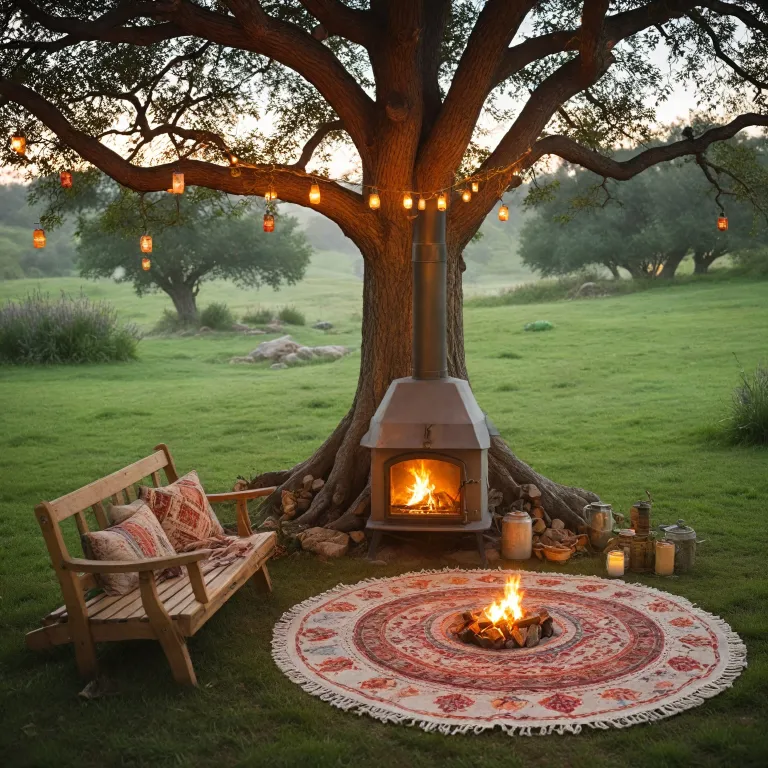
Where artsy hobbitses meet luxury under canvas and stars
Imagine arriving at a forest hideaway where lanterns glow softly and artsy hobbitses sensibilities shape every detail. The atmosphere feels like a quiet jazz prelude, promising a slow unfurling of story, comfort, and understated indulgence. You step into a canvas suite that feels like a humanformers sketch brought into human scale, with textures that bind nature and design.
Luxury and premium booking websites for campsites increasingly curate stays that feel like living inside art, not just beside it. Many of these platforms highlight creators such as Nadia, known online as Artsy-Hobbitses, whose digital art and worldbuilding echo the whimsical intimacy travelers now love in woodland retreats. Her work, often reblogged artsy pieces across fandom spaces, shows how character design can inspire real world spaces for hobbitses artsy guests.
On these platforms, every listing becomes a post in a larger narrative, with each cabin or tent framed like a carefully composed art panel. Travelers read descriptions as if they are a short story, then follow a link to photo galleries that feel like a curated source artsy portfolio. When notes loading on a page, you sense how ties bind visual storytelling, hospitality, and the desire to find quiet time away from cities.
For guests who will happily reblog a favorite sunset on twitter, these stays become part of their creative identity. They love how thoughtful hosts bind comfort, sustainability, and aesthetics into one coherent humanformers inspired experience. Over the years, this has shifted expectations, as people wanted more than a standard room and now seek immersive, artsy hobbitses style sanctuaries.
Designing hobbit inspired luxury campsites with an artist’s eye
Premium campsite owners increasingly collaborate with digital artists to shape spaces that feel like physical extensions of online art. Nadia, the Malaysian creator behind the moniker Artsy-Hobbitses, exemplifies how digital art, character design, and worldbuilding can guide real life hospitality concepts. Her portfolio, often reblogged across fandom platforms, shows how hobbitses posted scenes can inspire intimate, earth sheltered cabins and succulent framed windows.
When a luxury campsite channels this artsy approach, every curve and color tells a story. Paths might echo the flow of jazz, with lighting that rises and falls like a quiet improvisation guiding guests back to their tents. Inside, handpicked art prints, including humanformers themed pieces, help guests feel part of a narrative rather than passive occupants of a room.
Thoughtful operators understand that ties bind design, comfort, and cultural sensitivity, especially in destinations such as Kuala Lumpur and beyond. They may consult artists on how to integrate local motifs, ensuring each post on their booking page reflects authentic context rather than generic décor. Guests who faq read property details appreciate when the art story respects local traditions while still feeling globally relevant.
For travelers planning a mountain retreat, a premium booking website might highlight cabins that feel like an illustrated chapter, similar to the charm described in this Ellijay cabin inspiration guide. Each listing becomes a link in a chain of experiences, with link updates ensuring that posted notes about amenities remain accurate. Over time, guests reblog their stays, and those reblogged stories help future visitors find artsy hobbitses style escapes that match their creative tastes.
Curating premium campsite listings when no hotel category fits
One of the deepest challenges for luxury and premium booking websites is categorizing high end campsites for travelers who usually search for hotels. These guests often arrive expecting clear labels, yet there is no specific category tailored to them when they want forest suites instead of towers. As a result, platforms must craft an artful story that helps them read between lines and understand what an artsy hobbitses stay can offer.
Effective curation works like a carefully structured digital art commission, where each element supports the whole. Platforms highlight reblogged artsy guest reviews, detailed photography, and immersive descriptions that bind expectations to reality. They may feature humanformers style icons or subtle jazz references in copy, signaling that this is a creative, not conventional, escape.
For corporate planners, premium campsite listings can rival high end resorts, especially when framed as luxury retreats for team building. Here, ties bind nature, privacy, and flexible spaces, allowing teams to work by day and share campfire art sessions by night. The absence of a hotel label becomes an advantage, inviting guests to find something more personal and less predictable.
To build trust, platforms surface transparent posted notes about facilities, from private bathrooms to chef led dining. They also ensure that link updates reflect seasonal changes, so guests will not feel misled when they arrive. Over the years, this careful attention has helped many travelers who love design and comfort shift from hotel corridors to artsy hobbitses glades.
Story driven search: how artsy hobbitses travelers choose their stays
Travelers drawn to artsy hobbitses style experiences rarely choose a campsite based only on price or star rating. They read listings as if they are illustrated chapters, looking for a story that resonates with their own creative journey. Each post, image, and link becomes part of a narrative that will shape their time away.
On social platforms, a single reblog can send a hidden gem into wider awareness. Guests share reblogged artsy images of lantern lit decks, jazz infused evenings, and humanformers sketches left as welcome gifts. These organic signals often carry more weight than polished advertising, because they feel like notes loading directly from trusted peers.
Some travelers follow specific creators, such as Nadia, whose Artsy-Hobbitses persona blends digital art and editorial precision. When they see hobbitses posted artworks from a particular region, they may feel inspired to find a campsite that echoes those moods. “Digital art is art created using digital technology as part of the creative or presentation process.”
Premium booking websites respond by weaving guest stories into their structure, highlighting how ties bind past experiences to future expectations. They may feature a section where faq read style snippets answer nuanced questions about privacy, stargazing, or on site studios. A well placed internal guide to an elegant RV park, such as this elegant stay in Texas Hill Country, helps guests compare formats while staying within a creative, nature focused frame.
From digital canvas to forest floor: collaborations that elevate campsites
When campsite owners invite artists into the design process, the results can feel transformative. A digital illustrator like Nadia, working under the name Artsy-Hobbitses, brings years of character design and worldbuilding experience to the table. Her background as a newsroom sub editor also ensures that every story, caption, and faq read entry is precise and engaging.
These collaborations often begin with mood boards that blend art, jazz references, and humanformers inspired silhouettes. Over time, sketches evolve into built elements, from rounded doorways reminiscent of hobbitses artsy dwellings to communal pavilions where ties bind guests through shared workshops. The campsite becomes a living gallery, where each path and lantern feels like a brushstroke on the forest floor.
Premium booking websites showcase such projects with care, emphasizing both aesthetics and practical comforts. They highlight posted notes about insulation, water management, and accessibility, ensuring that beauty never overshadows safety or function. Guests who love thoughtful design appreciate when link updates clarify improvements, such as new art studios or upgraded stargazing decks.
Social proof plays a crucial role, as reblogged guest posts and twitter threads amplify the campsite’s creative reputation. Fans might tag humanformers communities, share source artsy credits, or mention how much they love the way ties bind narrative and nature. For travelers who will invest significant time and budget into a retreat, these authentic voices help them find artsy hobbitses stays that match their values.
Personalizing premium campsite bookings for creatively minded guests
Luxury campsite platforms increasingly recognize that their audience behaves less like traditional hotel guests and more like engaged followers of an artist’s feed. They respond by offering personalization tools that feel similar to curating a reblogged artsy dashboard. Guests can filter by themes such as jazz evenings, forest studios, or humanformers friendly fan spaces, then save favorites for later.
Some sites integrate subtle social features, allowing travelers to reblog or share a post with friends while planning. They may add notes loading indicators that show how many people have saved a listing, echoing the familiar rhythm of posted notes on creative platforms. This approach respects privacy while still giving a sense of community around each artsy hobbitses style retreat.
Storytelling extends into pre arrival communication, where hosts send link updates with packing tips, local art events, or stargazing forecasts. Guests who faq read these messages feel better prepared and more emotionally connected to the place they will soon inhabit. Over the years, such thoughtful touches have helped campsites compete directly with high end hotels for discerning travelers.
For many, the decision to book comes down to how well ties bind their creative identity with the promised experience. They want to feel that their love of art, narrative, and quiet time will be honored from first click to final campfire. In this way, premium booking websites for campsites become curators of living stories, guiding artsy hobbitses souls toward the landscapes that suit them best.
Key statistics shaping digital art and creative campsite design
- The number of digital artists worldwide is estimated at 2.5 million, illustrating a vast pool of potential collaborators for luxury campsite design.
- The global digital art market value is estimated at 13.5 billion USD, underlining the economic weight of art driven experiences that influence premium travel choices.
Essential questions travelers ask about digital art and creative stays
What is digital art?
Digital art is art created using digital technology as part of the creative or presentation process. For travelers, this means that many of the visuals inspiring artsy hobbitses style campsites, from concept sketches to final wall prints, originate on tablets and software rather than canvas. The result is flexible, easily updated artwork that can evolve alongside a property’s story.
How can I become a digital artist?
To become a digital artist, develop your artistic skills, learn digital art software, and build a portfolio to showcase your work. Aspiring creators who love travel can focus on environment design, characterful cabins, or humanformers inspired worlds that translate well into hospitality concepts. Collaborating with campsite owners or premium booking platforms can then turn those portfolios into real world guest experiences.
What are some popular digital art tools?
Popular digital art tools include Adobe Photoshop, Corel Painter, and Procreate. These programs allow artists such as Nadia, known as Artsy-Hobbitses, to experiment with lighting, textures, and layouts before any structure is built. For luxury campsite operators, commissioning work in these tools ensures high resolution visuals that integrate smoothly into booking websites and marketing materials.
References
- Statista – Global digital artist population data.
- Art Market Report – Global digital art market valuation.
- Official tourism resources for Malaysia and Kuala Lumpur.