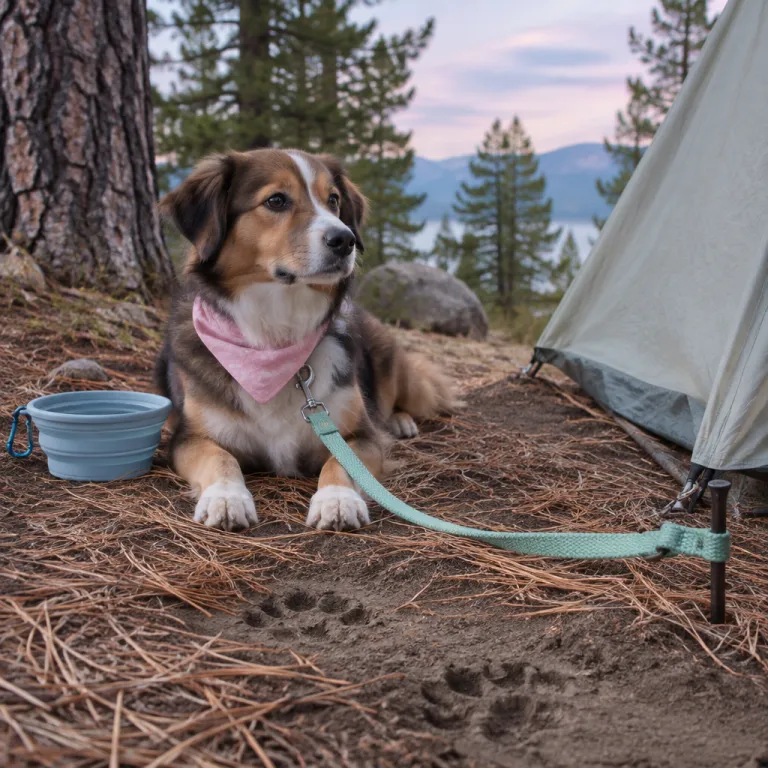
Why leash rules matter when camping with dogs in wildlife country
Luxury camping with dogs in wildlife country starts with understanding why rules exist. When a couple arrives at a premium campsite with pets, every leash requirement, distance limit, and map of restricted areas reflects hard lessons learned in real parks. A well run state park or private campground treats each dog as both a beloved pet and a potential wildlife trigger, and the best properties explain that clearly at the reservation stage.
In predator country, an unleashed dog may run ahead on the trail, surprise a bear or coyote, then sprint back to you with an angry animal following. That is why many state parks and state forest managers set strict pet policies that keep dogs allowed only in specific areas, usually within a certain number of feet or metres from roads, cabins, or designated picnic areas. When you book a high end campsite with cabins or cottage style cabins, read the section on where pets are allowed and which areas pets must avoid, because those lines on the map are drawn to protect both wildlife and your dog.
Wildlife stress is another reason that camping with dogs near sensitive habitats comes with non negotiable rules. Ground nesting birds near beaches, elk in rut near pond style wetlands, and small mammals around historic sites can all be pushed out of key areas by one roaming pet. A dog friendly campground that takes conservation seriously will mark zones where no pets are allowed, ask you not to leave your dog unattended, and remind you that even service animals must stay leashed in most shared areas under federal access and control guidelines.
Where dogs are and are not welcome in premium parks and campgrounds
For couples booking a romantic escape with pets, the biggest surprise is often how sharply dog access changes from park to park. Many national parks restrict dogs from most hiking areas, while nearby state parks or a quieter state forest may have generous dog friendly zones around campgrounds, cabins, and picnic areas. Before you commit to a specific campsite reservation, check whether the property lists dog friendly trails, swimming beaches, and any pond state or lake shoreline where pets are allowed on leash.
Luxury campgrounds and high end cabin clusters usually publish detailed pet policies on their booking pages. Look for a clear table that shows which cabins allow pets, which campground loops welcome camping with dogs, and which areas pets must avoid, such as fragile dunes or wildlife corridors. If the information is vague, contact park management directly and ask whether dogs are allowed in picnic areas, around historic sites, and near any premium tent with deck pitches you are considering.
Water access is a particular flashpoint when dog regulations intersect with human expectations. Some beaches in state parks welcome dogs during the shoulder season but ban them on a busy summer day, while other parks only allow pets at a signed picnic area or boat launch. If you plan to paddle in with pets or book a canoe in campsite, study guidance similar to a detailed paddle in camping guide, such as the one on canoe and kayak access at CampsiteStay, then confirm that your chosen park will allow pets along that shoreline route.
Wildlife encounters, safety calculus, and the real cost of ignoring rules
Once you camp in serious wildlife country with a dog, you understand why rangers repeat the same warnings. An off leash pet can transform a neutral wildlife sighting into a chase, and that chase can end with an injured dog, a defensive predator, or a citation that costs more than your entire camping reservation. Premium campgrounds in bear or cougar territory often require that every dog remain on a leash no longer than a few metres, even inside the campground, because those extra feet can decide whether a startled animal closes the gap.
Think about how a typical incident unfolds on a forest trail. Your dog trots ahead, flushes a deer or black bear, barks, then runs back to you with the animal now focused on the noise near the human, and that is exactly what modern pet regulations are designed to prevent. Responsible state park and state forest managers know that even service animals can trigger this chain reaction, so they post signs at trailheads, picnic areas, and beaches that explain where dogs are allowed and where pets are banned for wildlife protection.
The financial side is less dramatic but just as real for couples weighing a hotel versus a campsite. A premium dog friendly cabin in a state park may look expensive compared with a basic tent with platform, yet the real comparison sits in the total trip cost, as detailed in analyses of what a week outdoors actually costs a family. When you factor in potential fines for ignoring pet policies, emergency vet bills after a wildlife encounter, and the price of replacing gear damaged by a panicked dog, a carefully chosen campsite with clear pet rules often delivers better value than a cheaper but chaotic alternative.
Cold weather care, gear that works, and etiquette in shared areas
Autumn camping with dogs in wildlife country can be exquisite for couples, but cold nights demand planning. A dog that is comfortable on a day hike through a state forest may struggle to stay warm at a high elevation campsite once temperatures drop after sunset. Choose a tent with enough floor space for a dedicated dog sleeping pad, add insulation under your pet, and bring a fitted coat so your dog will retain heat without sharing your down bag.
Paw care matters as much as insulation. Frozen ground, ice around pond state shorelines, and salted paths near cabins or historic sites can crack pads, so rinse and dry paws at the picnic area water spigot before bed. Many luxury campgrounds now sell or rent dog friendly gear such as reflective collars, visibility vests, and anchored tie outs that keep dogs within a safe radius in high traffic areas, which helps you comply with park rules without feeling tethered to a post yourself.
Etiquette is where premium and budget experiences truly diverge. In a well managed state park campground, quiet hours apply to barking as much as to music, and hosts will remind guests not to leave dogs alone in cabins, cottage style cabins, or vehicles where anxiety can trigger long howling sessions. Pick up every piece of pet waste, even in rough areas behind campgrounds or near less used picnic areas, because uncollected waste attracts scavengers and undermines the very wildlife balance that makes these parks special.
Choosing dog friendly luxury campsites and reading the fine print
For a couple planning a premium escape with pets, the real art lies in choosing the right property and then honouring its rules. Start by filtering for dog friendly campgrounds and cabins where pets are allowed in the specific areas you care about, whether that is a lakeside campsite, a forested state park loop, or a cluster of cottage style cabins near historic sites. Then read every line of the pet policies, paying attention to leash length limits, where dogs are allowed on trails, and whether any areas pets must avoid intersect with your ideal sunset walk.
High calibre operators treat dog and wildlife rules as part of the guest experience, not as fine print. They map out off peak picnic areas where dogs allowed on leash can relax, identify one or two beaches or pond state coves where swimming with pets is acceptable, and explain how service animals are accommodated in otherwise restricted zones under national accessibility standards. If a park or private campground does not spell this out, contact park staff before you pay the pass or booking fee, and ask specific questions about leaving your dog in the campsite, walking through shared areas, and any breed or size restrictions.
As you compare options on a luxury focused platform, look for reviews that mention how staff handle pet waste issues, noise complaints, and wildlife sightings near campgrounds. A property that invests in training its équipe, posts clear guidance on what separates a good campsite from a great one, and enforces rules consistently will usually deliver a calmer stay for couples with pets. In the end, the best state parks, private parks, and hybrid resorts all share one principle; they allow pets only where a dog, the wildlife, and your neighbours can safely share the same precious space.
FAQ
How long should my dog’s leash be in wildlife country campgrounds ?
Most state parks and state forest campgrounds require a leash no longer than about 2 metres or 6 feet, even in dog friendly areas. That limit keeps your pet close enough to prevent sudden wildlife chases and helps rangers manage shared spaces like picnic areas and beaches. Always check the specific pet policies for your chosen park, because some historic sites and sensitive areas may require even shorter control.
Can my dog hike off leash if the trail looks empty ?
Even if a trail appears empty, official park rules almost always require a leash on signed paths. Wildlife can be just out of sight, and an off leash dog may trigger a dangerous encounter long before you see the animal. Treat every marked trail in state parks, state forest lands, and private campgrounds as on leash unless the map explicitly marks a designated off leash area.
Are service animals treated differently from pets in parks and campgrounds ?
Service animals are legally allowed in many places where pets are not, including some buildings and certain historic sites, but they usually must still follow leash and control requirements. Park managers balance access with wildlife protection, so even service animals may be restricted from a few sensitive areas pets cannot enter, such as rookeries or fragile dunes. Always contact park staff in advance if you rely on a service animal and plan to stay in cabins, cottage style cabins, or high traffic campgrounds.
Is it safe to leave my dog alone in a campsite or cabin ?
Most premium dog friendly properties strongly discourage leaving a dog unattended in a campsite, cabin, or vehicle. A quiet pet can become anxious when left alone in unfamiliar campgrounds, leading to barking, damage, or attempts to escape that may breach posted pet rules. If you plan a day trip to areas where no pets are allowed, arrange dog care in a nearby town rather than leaving your pet behind.
What should I do with pet waste in remote or primitive camping areas ?
Even in backcountry or primitive camping zones, you must manage pet waste carefully to protect water quality and wildlife. In most state parks and state forest areas, the rule is to bag pet waste and pack it out, or bury it in a small hole at least 60 metres or 200 feet from water if packing out is impossible. Luxury and premium campgrounds usually provide bins near each picnic area or bathhouse, and using them consistently is part of being a responsible guest with pets.