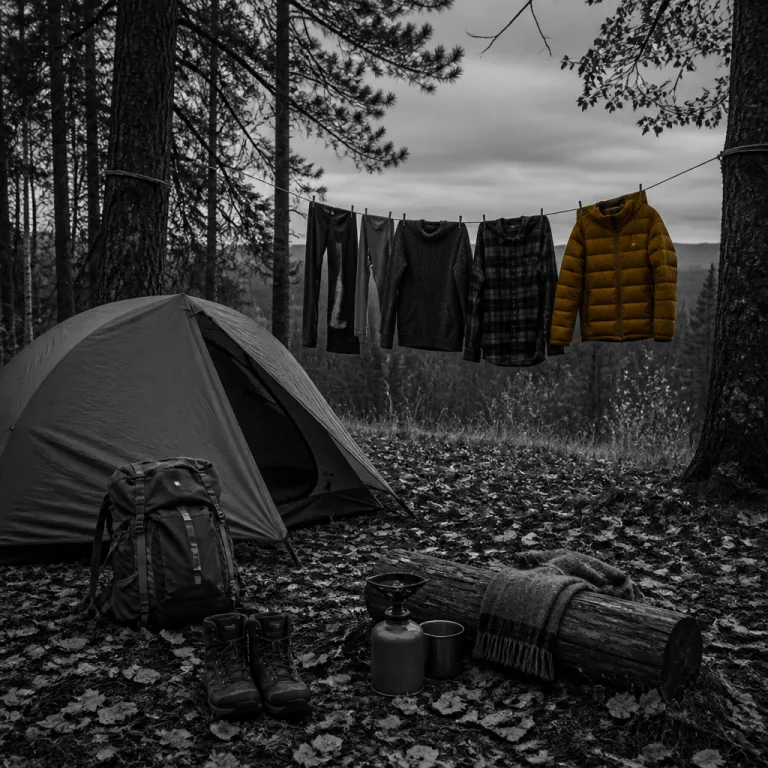
The three layer strategy for real fall temperature swings
Fall camping is defined by contrast ; your clothing system must handle a warm afternoon on the trail and a cold predawn walk to the bathhouse. A thoughtful fall camping layering system uses three core layers that you can add or remove quickly as the temperature shifts and the wind picks up across an exposed ridge. When you book a premium campsite with elevated platforms and open views, those layers matter more than the thread count of your pillow.
The first layer is always a next to skin base layer that manages sweat rather than chasing warmth. High end campsites with long hiking approaches demand base layers in merino wool or advanced synthetic fabrics, because cotton base will trap moisture and will leave you cold once you stop moving. Look for a light to medium weight base that balances warmth weight and dries fast, since that warmth weight ratio is what keeps you comfortable from check in to midnight stargazing.
Over that comes the insulating mid layer, which can be a fleece pullover, a merino wool sweater or a synthetic jacket with a full zip for easy venting. Luxury camping operators who understand cold weather often recommend a flexible mid layer that you can wear at the restaurant deck, then under a shell when the wind rises over the lake. Think of this mid layer as your portable campfire ; it should feel warm without heavy weight and it should work with both hiking clothes and sleep clothing.
The outer shell is your weather insurance, and it matters as much as the view from your tent deck. A breathable rain jacket and matching rain pants form a protective shell against wind and rain, turning a premium clifftop pitch into an all weather suite. Choose a shell with pit zips, a hood that moves with your head and enough room for all your layers without restricting movement on steep hiking trails.
Why fabrics matter more than logos at luxury campsites
High nightly rates at a luxury campsite do not change physics ; cotton still fails when it is wet and the air turns cold. When you hike in on a long trail and arrive sweaty at a polished reception yurt, the wrong clothing layers will chill you before the welcome drink. Smart travelers treat their fall camping layering system as seriously as their reservation, because fabric choice decides whether you enjoy the sunset or retreat early to your sleeping bag.
For the base, avoid cotton T shirts and jeans and choose merino wool or synthetic base layers that move moisture away from the skin. Merino wool base layer tops and long underwear feel soft, resist odor and keep warm even when slightly damp, which suits multi night stays at remote premium campgrounds. Synthetic base layers dry even faster and often weigh less, giving an excellent warmth weight ratio for guests who arrive by hiking rather than by car.
Mid layer options include classic fleece, modern polartec alpha insulated pieces and hybrid jackets that mix panels of synthetic fill with stretch fleece. A fleece mid layer is forgiving, easy to wash at a campsite laundry and warm for its weight, while polartec alpha styles breathe better during active hiking. Many high end properties now brief guests on recommended hiking clothes before arrival, and the best advice is always the same ; bring at least two mid layers so you can rotate if one gets wet in the rain.
Outer layers must handle both wind and rain without feeling like a plastic bag during a steep ascent. Look for a rain jacket and rain pants that use breathable membranes, full length zips and articulated knees so you can move naturally on uneven paths between tent and spa. When you read about social camping trends that highlight connection over escape on sites such as the together trip and connection focused camping, remember that staying warm and dry is what lets you linger around the communal fire instead of hiding in your tent.
Managing sweat, wind and rest: from hike in to midnight bathroom run
Fall luxury campsites often sit at the end of a scenic hiking approach, which means your layering system must handle effort first and elegance later. On the hike in, start slightly cool with only your base layer and a light wind shirt or very thin shell, because you will warm up quickly on the trail. If you arrive at your tent platform drenched in sweat under a heavy jacket, that moisture will rob your warmth as soon as the sun drops behind the ridge.
Use the classic rule ; if you feel perfectly warm when you leave the car park, you are wearing too many layers for hiking. Open every full zip, push up sleeves and remove your mid layer early so your clothing stays only slightly damp, not soaked, by the time you reach your campsite. Many experienced solo travelers carry a dedicated dry mid layer in their pack, changing into it as soon as they stop walking to lock in warmth before the evening wind arrives.
Once you settle into camp life, your needs change from sweat management to protection from wind and long periods of stillness. A warm fleece or synthetic mid layer under a shell jacket keeps you comfortable while you cook, read or work remotely at a picnic table, especially at properties that market themselves as workation friendly and are profiled in guides to remote work at campsites. When the air turns truly cold, add insulated pants over your hiking pants and slip on rain mitts as a windproof outer layer for your hands.
Night brings its own choreography, from the walk to the bathhouse to a late sky watching session. Keep a simple clothing system by hanging your shell, mid layer and warm hat in the same spot so you can dress in seconds when you leave the tent. A thin wind shirt over your base layer can be enough for a quick trip, but for longer stargazing sessions you will want full layers, including insulated pants and a proper jacket that seals out both wind and damp air.
Sleeping system layering: what to wear in the tent
Many travelers assume that a luxury campsite mattress and premium linens will compensate for poor clothing choices at night, yet fall temperatures quickly prove otherwise. Sleeping comfort in cold weather depends on a coordinated layering system that includes your base layers, mid layer options and the right sleeping bag. Think of your tent as another shell ; it blocks wind and rain, but your clothing and bag provide the real warmth.
Start with dry base layers dedicated to sleep, ideally a merino wool or synthetic base layer top and long underwear that never leave the tent. These sleep specific base layers stay free of trail sweat and help keep warm by trapping a thin layer of air next to your skin. Add a light fleece or thin polartec alpha mid layer if you tend to run cold, and consider wearing warm hiking socks that are also reserved only for sleeping.
Sleeping bags are often over rated in marketing language, so read the comfort rating rather than the extreme survival number when you pack for a high end campsite. If the forecast low is close to the bag’s comfort limit, plan to wear your mid layer jacket and even your shell pants inside the bag to extend its warmth weight ratio without buying a heavier model. A liner can add a few degrees of warmth and keeps the bag cleaner, which matters when you move between different premium properties over a long season.
Extremities lose heat fastest, so treat hands, feet and head as priority zones in your fall camping layering system. Pack a thin beanie, dry socks and light gloves or rain mitts that you can wear inside the tent if the night turns colder than expected. When you read detailed campsite reviews on CampsiteStay that mention cold weather comfort, pay attention to how guests describe their sleep clothing system, because those small details often separate a restless night from a deeply restorative one.
Packing light for a wide temperature band at premium campsites
Luxury and premium campsites often attract travelers who arrive by train, shuttle or long hiking approaches, so every gram of clothing weight matters. The goal is not to bring more layers, but to choose layers with a high warmth weight ratio that work across many situations. A well planned fall camping layering system lets you move from sunny terrace to wind exposed viewpoint without hauling a second duffel.
Focus on versatile pieces ; one quality rain jacket, one pair of durable rain pants, two base layers, two mid layers and a single shell that blocks wind and light rain. Hiking pants in a quick drying synthetic fabric can double as evening wear at many design forward camp restaurants, especially when paired with a clean fleece or merino wool sweater. A thin wind shirt weighs almost nothing yet adds a valuable extra layer over your base when the breeze picks up on a ridge or over a lake.
Some technical clothing systems use advanced fabrics such as super thermo mesh or brynje super grid patterns to trap warm air with minimal weight, which can be useful for guests who hike long distances to reach remote premium sites. These pieces often feature full zip fronts for easy venting and work well under a shell during cold weather hiking. When you compare options, remember that a slightly heavier but more breathable jacket may keep you drier and therefore warmer than an ultralight shell that traps sweat.
Hands deserve the same attention as your torso, especially when you linger over a late outdoor dinner or handle wet tent zips in the rain. Lightweight fleece gloves under waterproof rain mitts create a flexible two layer system that you can adjust as conditions change. If you are planning off grid stays and want to understand how your clothing choices interact with pack weight and power needs, long form gear pieces such as the guide to sub two pound solar setups for backcountry camping offer useful context on balancing comfort, technology and total carried weight.
FAQ
How many layers should I pack for fall camping at a luxury campsite ?
For most fall trips, plan on a three layer system for your torso and two layers for your legs. That usually means two base layers, two mid layers, one shell jacket, one pair of hiking pants and one pair of rain pants. This setup lets you adjust quickly to a 30 degree temperature swing without overpacking.
What is the best base layer material for cold weather camping ?
Merino wool and modern synthetic fabrics are the most reliable base layer materials for cold weather camping. Both move moisture away from the skin and keep warm better than cotton when damp, which is crucial after hiking or climbing to your campsite. Choose a weight that matches your activity level ; lighter for active days, slightly heavier for colder, less active trips.
Do I need separate clothing for sleeping when I stay at a premium campsite ?
Dedicated sleep clothing is highly recommended, even when the campsite provides quality bedding. Keeping one set of dry base layers and socks only for sleeping prevents sweat from chilling you at night. This approach also keeps your sleeping bag cleaner during multi night stays.
How can I keep my hands and feet warm without packing heavy gear ?
Use a simple two layer strategy for extremities ; thin liner socks under thicker hiking socks, and light fleece gloves under waterproof rain mitts. This combination traps warm air while letting you adjust quickly if you start to overheat. Always change into dry socks before bed, because moisture is the main reason feet feel cold in a sleeping bag.
What should I wear under a rain jacket during fall camping ?
Under a rain jacket, wear a moisture wicking base layer and, if needed, a breathable mid layer such as fleece or polartec alpha insulation. This pairing keeps sweat moving outward while the shell blocks wind and rain from the outside. Avoid heavy cotton hoodies under shells, because they trap moisture and become clammy once you stop moving.