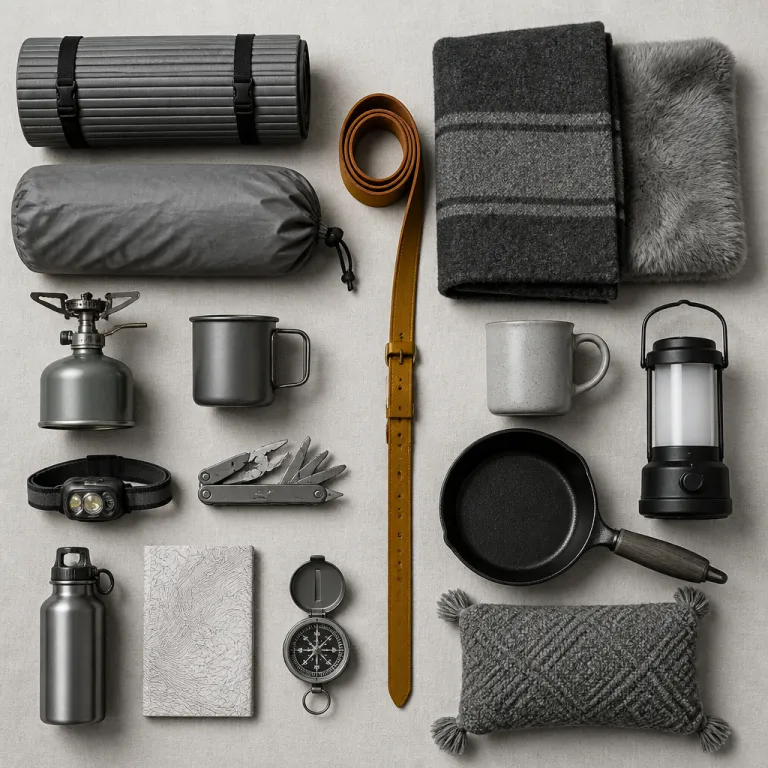
Section 1 – Camping vs glamping for hotel style travellers
Many hotel guests now compare camping vs glamping when planning an outdoor escape, especially when they usually book premium rooms or suites. They want an outdoor experience that respects nature yet still delivers a familiar level comfort and service. This shift helps explain why the KOA North American Camping Report notes steady growth in “glamping style” stays, and why Glamping Association data points to strong double digit expansion in the luxury outdoor lodging segment.
Traditional camping appeals to travellers who value simplicity, a basic tent, and minimal amenities. In this traditional camping style, you bring your own gear, from sleeping bag to stove, and accept fewer creature comforts in exchange for raw contact with the great outdoors. Camping glamping comparisons on luxury booking platforms now help guests see exactly how much comfort convenience they gain when they upgrade, often using side by side photos and amenity checklists.
Glamping camping options, by contrast, are designed for people used to hotels who still want nature. A glamping tent or safari tents on a premium campsite can include real beds, air conditioning, private bathrooms, and even curated adventure packages. For hotel style travellers, this hybrid model offers the best balance between outdoor freedom and modern comforts, turning a campsite into something that feels closer to a boutique resort in the woods.
Section 2 – Traditional camping: what hotel guests gain and give up
When you choose tent camping on a premium campsite, you step away from hotel corridors and into open skies. You still enjoy the outdoors, but you trade air conditioning, running water in your room, and plush bedding for a simple tent and sleeping bags. This traditional approach to camping vs glamping suits travellers who see every small discomfort as part of the experience, from cool night air to early morning birdsong.
In traditional camping, you manage your own gear and your own time, from pitching tents to cooking. You sleep in a sleeping bag on a mat, and your level comfort depends on how well you packed and how well you handle the weather. Families comparing camping glamping options should review which amenities matter most for children, using resources such as this guide to family campsite essentials and amenities that actually matter with kids. A typical premium tent pitch might include a flat, serviced pad, nearby parking, and access to shared bathrooms rather than private facilities.
Luxury and premium booking websites now present tent camping as one tier within a broader outdoor experience ladder. They highlight which pitches are closest to shared running water points, which areas are quietest at night, and which zones offer the best access to nature trails. This transparency helps hotel accustomed guests decide whether traditional camping still feels comfortable enough for their next adventure, especially when travelling with younger children or older relatives.
Section 3 – Glamping: hotel level comfort in the great outdoors
Glamping brings hotel style comfort directly into nature, which changes the camping vs glamping equation for many travellers. Instead of a basic tent, you might stay in spacious safari tents or a fully furnished glamping tent with a proper bed and high quality linens. Many glamping sites now include electricity, air conditioning, and private bathrooms, so you can enjoy the outdoors without sacrificing hygiene or sleep, even on longer stays.
For guests used to premium hotels, glamping offers a familiar level comfort and service. You still wake to birdsong and spend time under the stars, but you return to creature comforts such as hot showers, soft duvets, and sometimes even in tent Wi Fi. Safety information, including updates on wildlife and trail access, is often integrated into booking platforms, with articles on topics such as trail closures and bear country for summer campers. One mountain operator summarises it simply: “You get the campfire and the constellations, but you still sleep like you would in a hotel.”
Luxury booking sites now curate glamping camping collections that rival hotel portfolios in both design and service. They classify glamping offers by amenities, from basic bell tents with shared facilities to high end lodges with full modern comforts and concierge style assistance. For many hotel loyal travellers, this style of glamping is the best way to enter the great outdoors without feeling out of place, especially when travelling to popular national park gateway towns.
Section 4 – Comparing comfort, amenities, and gear on premium platforms
When you compare camping vs glamping on a luxury campsite booking website, the first difference is comfort. Traditional camping usually means bringing your own tent, sleeping bags, and cooking gear, then adapting to whatever the weather and terrain provide. Glamping, by contrast, replaces that gear with ready made tents, real furniture, and curated amenities that feel closer to a hotel suite or serviced cabin.
Premium platforms now use clear comparison tables to show comfort convenience levels across their outdoors inventory. They specify which tent camping pitches are near running water, which glamping sites include private bathrooms, and where air conditioning is available in every glamping tent. This structured information helps travellers quickly see whether a given outdoor experience aligns with their expectations, while internal links guide them to related pages such as safety tips, packing lists, and seasonal booking advice.
For hotel style guests, the key is to assess personal comfort needs before booking any adventure. Ask yourself how much time you want to spend setting up gear versus simply arriving and starting to enjoy nature. Then choose between traditional camping, mid range camping glamping options, or full luxury glamping camping stays that deliver the best balance of freedom and comfort. Image galleries with descriptive alt text, such as “safari tent with king bed and private deck” or “family tent pitch near forest trail,” also make it easier to visualise each choice.
Section 5 – Adventure packages for hotel guests: from soft to immersive
Luxury and premium booking websites for campsites now design adventure packages specifically for travellers who usually stay in hotels. These curated stays combine either traditional camping or glamping with guided activities, from gentle nature walks to more intense outdoor adventure sports. The goal is to match each guest with an outdoor experience that feels exciting yet still comfortable, using clear descriptions of difficulty level and required fitness.
Soft adventure packages often pair glamping sites with activities such as sunrise yoga, wine tasting, or guided stargazing. Guests sleep in safari tents or a high spec glamping tent with modern comforts, then spend time outdoors during the day without facing harsh conditions. For those who want a deeper connection with the great outdoors, some packages blend tent camping nights with glamping nights, creating a progressive camping glamping journey that gradually reduces reliance on hotel style amenities.
More immersive adventure offers might include multi day hikes where one night is in traditional camping style and the next in a luxury glamping camping lodge. This format lets hotel accustomed travellers test their limits while knowing that creature comforts and a higher level comfort await at the end of the route. Safety briefings, equipment checklists, and clear guidance on required gear are always part of these premium adventure packages, often supported by National Park Service visitor statistics on trail usage and seasonal conditions.
Section 6 – How luxury booking sites personalise camping vs glamping choices
High end campsite booking platforms now act more like hotel concierges than simple reservation tools. They analyse guest profiles, past stays, and stated comfort preferences to recommend either traditional camping, mid tier tent camping, or full glamping sites. This personalisation helps travellers who are new to the great outdoors feel confident about their choice and avoid mismatched expectations.
For example, a guest who always books suites with spa access will likely receive glamping offers first. The platform might highlight a glamping tent with air conditioning, private bathrooms, and high quality linens, then suggest optional adventure activities that match their fitness level. Another guest who already owns extensive camping gear and enjoys sleeping bags on a firm mat will see more traditional camping pitches near nature trails, with filters that prioritise quiet zones and dark sky viewing.
Expert guidance on these platforms often echoes the core distinctions between the two styles. As one reference explains, “Camping is traditional outdoor sleeping; glamping adds luxury amenities.” It also notes that “Yes, glamping typically costs more due to added comforts” and that “Many glamping sites offer electricity and running water” while confirming that “Yes, glamping accommodations are often suitable year-round” and “Glamping usually provides necessary equipment; minimal personal gear needed.” These concise explanations help hotel style travellers quickly understand which outdoor stay best matches their usual standards.
Key figures on camping vs glamping and luxury outdoor stays
- Industry reports such as the KOA North American Camping Report and Glamping Association insights indicate glamping market growth approaching 10 % per year in some regions, reflecting strong demand from travellers who want nature with hotel style comfort.
- Premium booking platforms report that a growing share of new campsite listings are glamping sites, showing how operators respond to guests seeking higher comfort convenience levels and hotel like amenities.
- Comparison tools on luxury campsite websites now routinely rate each stay by level comfort, from basic tent camping to fully serviced safari tents with private bathrooms and air conditioning, often using simple icon based scoring.
- Guest feedback data consistently shows higher satisfaction scores when the advertised outdoor experience and listed amenities match the actual on site comfort and modern comforts, especially for first time campers.
- Specialised frameworks such as the peppercorn pod approach, described in detail in this article on elevating luxury campsite booking experiences, help platforms structure and measure these comfort tiers and refine their outdoor lodging inventory.
FAQ about camping vs glamping for hotel style travellers
What is the main difference between camping and glamping ?
The main difference is that camping is traditional outdoor sleeping, usually in a simple tent with your own gear, while glamping adds luxury amenities such as real beds, electricity, and sometimes private bathrooms. Traditional camping focuses on simplicity and self sufficiency in nature. Glamping focuses on comfort convenience and hotel like service in the great outdoors, making it feel more like an open air resort stay.
Is glamping more expensive than camping ?
Yes, glamping is generally more expensive than traditional camping because it includes higher end amenities and modern comforts. You pay for ready made tents, quality bedding, and services that reduce the need for your own gear. For hotel accustomed travellers, this extra cost often feels justified by the higher level comfort and the reduced time spent on setup and packing.
Do glamping sites usually provide electricity and running water ?
Many glamping sites provide electricity, running water, and sometimes full private bathrooms, especially on luxury and premium booking platforms. These services allow guests to enjoy nature while keeping familiar creature comforts such as lighting, charging points, and hot showers. Always check the amenities list carefully, because some glamping camping options remain more rustic and rely on shared facilities.
Do I need to bring my own gear for glamping ?
Glamping usually includes the main equipment you would expect in a hotel style stay, such as beds, linens, and basic furniture. Most glamping offers only require you to bring personal items and perhaps a light sleeping bag or extra blanket if you prefer. Traditional camping, by contrast, requires full gear including tents, sleeping bags, and cooking equipment, which can be a deciding factor for guests who normally travel light.
Can I go glamping in any season ?
Many glamping accommodations are suitable year round because they use insulated tents or cabins with heating or air conditioning. Luxury booking websites clearly indicate seasonal availability and the specific level comfort you can expect in colder or hotter months. This makes glamping a flexible option for travellers who want an outdoor experience beyond the classic summer camping season, including shoulder season trips to quieter destinations.
Suggested sources : Kampgrounds of America (KOA) North American Camping Report ; Glamping Association industry insights ; National Park Service visitor statistics.