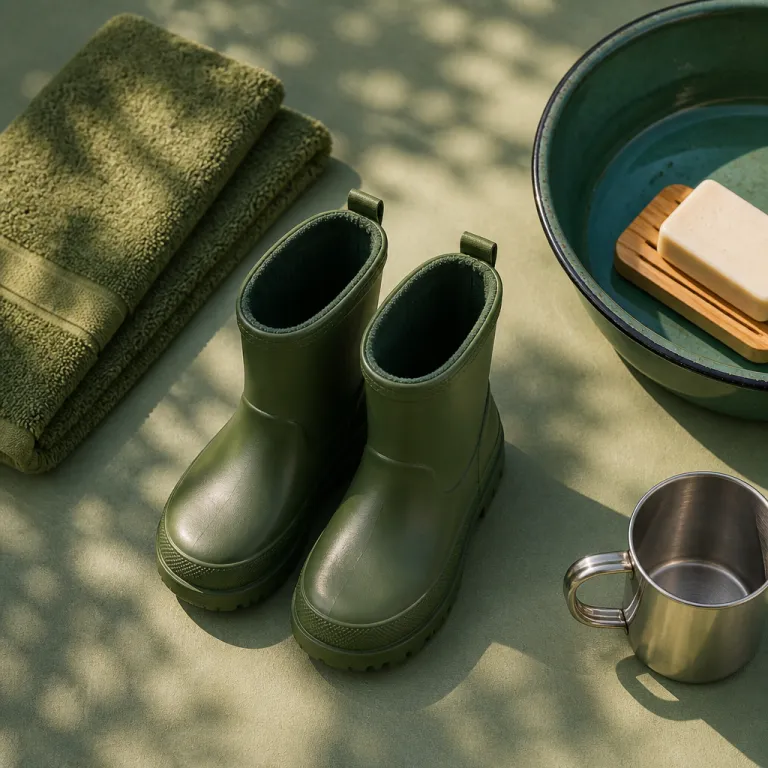
The quiet stigma around bathhouse sites at premium campgrounds
Seasoned campers often warn against choosing any campsite near a bathhouse. They picture a park campground where metal doors slam at midnight and a harsh fluorescent bath house hums through the dark. That image still shapes how many families book their stay, even on a luxury campground with spa style facilities and carefully planned sites.
On high end campgrounds in a state park or county park, the reality is more nuanced. Modern campground bath buildings use better insulation, softer lighting and smarter paths that divert most foot traffic away from each individual site. The old stereotype of clanking pipes and echoing showers rarely matches what you actually hear when you camp in a premium family campground that has invested in design and maintenance.
There is also a subtle hierarchy of sites that plays out on every booking map. Lakeside sites and river view sites vanish first, while the row near bath facilities often lingers, even in a national park or a polished lake campground. For families who value convenience, that leftover inventory can be the key to securing a prime location in an otherwise fully booked recreation area.
Recent family camping surveys suggest that expectations are shifting. For example, the 2023 North American Camping & Outdoor Hospitality Report from Kampgrounds of America (KOA) notes that families now rank restroom cleanliness and proximity among their top campground selection factors. Public planning documents and visitor services reports from several large state parks in the Pacific Northwest indicate that the average distance from a campsite to a bathhouse in large state parks is often around 50–70 metres, which translates into several minutes of walking with small children. When you multiply that distance by repeated trips for water, teeth brushing and late night bathroom runs, the trade off between a picturesque but remote pitch and a more central site starts to look very different for parents.
The family calculus: distance, darkness and real world bathroom runs
For a premium family camping trip, the question of how close to camp restroom facilities you should be is not theoretical. A typical day in a family campground can involve six to eight bathroom visits per child, plus extra walks to refill water or to manage muddy clothes. That estimate aligns with general guidance from pediatric health sources, which note that school age children may urinate six to eight times per day, especially when active and well hydrated. On a large state park loop, that can mean several kilometres of extra walking between your tent site and the bath house, often in the dark or in bad weather.
When you camp with toddlers or school age children, every unnecessary trip across the campground feels longer. You might be crossing a park campground road with RVs and cars moving slowly, or skirting a lake campground shoreline where the wind cuts sharply at night. A site near bath facilities reduces that exposure and lets one adult escort a child quickly, while the other adult stays at the picnic table managing dinner, lanterns and the rest of the camp.
Luxury and premium campgrounds understand this family math and design their sites accordingly. In many state parks and private campgrounds, the cluster of sites closest to the campground bath is now marketed as a convenience zone rather than a compromise. As one campground manager at a popular lakefront resort in northern Michigan explained in a 2023 guest newsletter, their family loops are laid out so that no child has more than a three minute walk to a restroom, even at night. When you book a campsite close to shared washrooms, the pros and cons become clearer if you imagine every late night walk with a torch, every early morning dash in the rain and every load of clothes carried to the laundry room.
For spa focused properties that blend camping with wellness, proximity to facilities is even more strategic. A family staying in tents cabins or upscale cabins near a central spa building wants fast access to both the bath and the treatment rooms. If you are planning a premium camping with spa escape, the section on luxury glamping and wellness in nature in a detailed spa camping guide can help you see how some properties now treat the bath house as part of a curated wellness circuit.
Noise, light and privacy: what modern bathhouses actually feel like
The biggest fear around any campsite close to a bath building is noise. Many travellers imagine a constant stream of doors, voices and headlights sweeping across their tent camping setup. On older campgrounds with basic block buildings, that fear sometimes matches reality, especially when the bath house sits directly in the centre of a tight loop of sites.
Newer state parks and private campgrounds have quietly rewritten that script. Architects now angle the bath house so that entrances face away from the closest site, and they plant low hedges or native grasses to shield light from the doors. Paths from the wider recreation area curve gently, keeping most footsteps away from the immediate ring of sites near bath, while still allowing fast access from every part of the campground.
Inside, the design of a modern campground bath matters as much as the exterior layout. Solid core doors, soft close hardware and better ventilation reduce the echo that once carried across a dark park. When maintenance staff keep the laundry room, showers and toilets spotless, guests move through quietly and quickly, which changes the soundscape for anyone who chose a nearby site or cabins.
Luxury properties that sit beside a lake or river often go further, using the natural sound of water to mask human noise. A lake campground with a small waterfall or a slow river bend can feel surprisingly tranquil, even if your tent or RV is only a short walk from the bath house. In these settings, the balance between convenience and calm tilts toward comfort, especially when you can still hear crickets and flowing water from a nearby stream more than you hear doors. Rangers at waterfall rich parks such as Oregon’s Silver Falls State Park often note in interpretive talks that once the falls are roaring, you barely notice people coming and going from the restrooms near the main loop.
Inventory advantage and layout traps: when proximity helps or hurts
On a busy holiday weekend, the least requested sites become a quiet secret weapon. While everyone else fights for the last lake view site or the final river bend pitch, the small cluster near bath facilities often remains bookable on premium platforms. For families using a luxury and premium booking website for campsites, that availability can mean the difference between staying in a prime state park or settling for a less inspiring county park further down the highway.
There is also a pricing nuance that experienced travellers can use. Some campgrounds charge a small premium for full hookups or for a lakefront location, but leave the sites near bath at standard rates. If you travel with a mix of RVs and tents cabins, you can often pair one full hookups site for the RV with a neighbouring tent site close to the bath house, creating a flexible base camp that still feels cohesive.
Not every layout works in your favour, and this is where careful research matters. In a few older state parks, the bath house sits at the low point of the area, where water pools after rain and headlights from the main road sweep across the doors. On those campgrounds, a site directly opposite the entrance can feel exposed, and the trade off between a short walk and a sense of privacy may tilt toward choosing a slightly more distant site that still keeps walking time under five minutes.
Digital tools now make it easier to avoid those traps. Before you book, check the campground map, satellite imagery and recent guest photos to see how the bath house relates to each site. For example, the public map of Fort Yargo State Park in Georgia clearly shows which sites sit behind the bathhouse, shielded by trees, and which ones face the parking area. Official guidance from many park systems echoes the same advice: book early to secure preferred sites, confirm proximity to the bathhouse and check for additional amenities nearby.
Luxury spa retreats with kids: turning facilities into part of the experience
High end spa campgrounds have reframed the humble bath house as part of a wellness journey. Instead of a stark block at the edge of a park, you find timber clad buildings with heated floors, family changing rooms and quiet zones that feel closer to a small spa than a traditional campground bath. For parents, choosing a campsite near the bathhouse now includes questions about robe friendly paths, relaxation decks and how easily children can move between tent, bath and pool.
In these premium environments, the line between cabins, tents cabins and spa suites blurs. A family might stay in a lake facing cabin with water, electricity and a private deck, while grandparents choose a nearby tent camping platform that still sits within a short walk of the main bath house. The shared facilities become a social hub, where you meet other families at the laundry room or camp store before returning to your own quiet site with a picnic table and fire ring.
Location still matters, especially in a national park or large state parks where the spa zone sits slightly apart from the main family campground. When you book through a curated platform, look for clear notes on whether your chosen site is near bath facilities, near the river or closer to the trailheads. Think about how you actually spent time on your last trip, and whether you walked more between camp and bath or between camp and the lake.
If you are drawn to the idea of cabins with hotel level comfort wrapped in forest air, it is worth reading a detailed guide to cabin stays. A useful starting point is an in depth article on the charm of cabin rentals in Bend, which explores how to choose a refined yet practical base for your next outdoor escape at a dedicated cabin rental guide. The same principles apply when you weigh the benefits and drawbacks of a bathhouse adjacent site for a spa focused family trip, especially when you want both indulgence and easy logistics with children.
Practical booking checklist for families choosing bathhouse proximity
When you plan a premium camping stay, start with the map rather than the marketing photos. Identify the bath house, the camp store, the nearest lake or river access and the main recreation area, then count how many sites sit between your preferred spot and each facility. This simple exercise turns the vague debate about how close to camp bathrooms you should be into a concrete choice measured in metres and minutes.
Next, match the layout to your family’s rhythm. If your children wake early and head straight for the water, a site closer to the lake or river might beat one directly near bath facilities, as long as the walking distance remains reasonable. For families with very young children or anyone with mobility considerations, a site that is one or two rows back from the campground bath often hits the sweet spot between quiet and convenience.
Finally, use the human expertise on site. Campground managers act as site assigners and usually know which site near bath stays quieter, which site catches more breeze from the lake and which site sits slightly higher so that water drains away after a storm. Maintenance staff, who are the facility upkeepers, can also tell you how often the bath house, laundry room and surrounding area are cleaned, which matters when you expect to spend time there several times a day.
Families who approach the decision with this level of detail tend to report higher satisfaction and stronger loyalty to their favourite campgrounds. They understand that choosing a campsite near the bathhouse is not about old myths, but about matching a specific site, in a specific state or county park, to the way their family actually lives outdoors. Over time, that thoughtful approach turns the spot nobody requests into the smart, strategic choice that quietly upgrades every future camp.
FAQ
Why choose a campsite near the bathhouse with children ?
Families with young children often make six to eight bathroom trips per day, and a campsite near the bathhouse reduces walking distance, night time stress and the risk of accidents. On large campgrounds, the average distance to facilities can be around 60 metres, which adds up quickly when you move between tent, bath and camp store. Choosing a nearby site can turn those repeated walks into a short, manageable routine rather than a constant trek.
Do campsites near the bathhouse cost more on premium campgrounds ?
Pricing varies by campground and by state park or county park system. Some properties charge extra for full hookups, lake views or river access, while leaving bathhouse adjacent sites at standard rates. On luxury and premium booking platforms, you will usually see any surcharge clearly listed on the site description page.
Are sites near the bathhouse always noisier than other locations ?
Older park layouts can be noisy if the bath house faces directly onto a tight ring of sites, but many modern campgrounds use angled entrances, landscaping and better doors to reduce sound. In well designed family campgrounds, the main footpaths often bypass the closest sites, so you hear less traffic than expected. Reading recent guest reviews and checking the map helps you judge whether a specific location near bath will feel busy or calm.
How can I check the exact location of a bathhouse before I book ?
Most state parks, national parks and private campgrounds publish detailed maps that show every site, bath house and recreation area. When booking online, zoom in on the map, count how many sites sit between your preferred pitch and the facilities, and compare that to your family’s comfort level. If the map is unclear, email or call the campground managers, who can usually recommend a specific site based on your needs.
Is a bathhouse adjacent site a good idea for luxury spa camping ?
On spa oriented campgrounds, the bath house often functions as part of a wellness complex with saunas, pools and treatment rooms. In that context, a nearby site or cabin can be very convenient, especially for families moving between spa, tent and river or lake access. The key is to choose a site that is close enough for comfort but slightly offset from the main entrance, which preserves privacy while keeping your walk short.