Why the red-eye strategy now defines premium campsite access
Overnight drive camping first come first served has quietly become the insider move for couples who want premium campsites without months of reservations. When more than half of campers report booking difficulties because every campground seems full, the guests who leave Los Angeles or Denver after dinner and arrive at a national park gate before sunrise are the ones who step into the best sites. This red-eye departure approach turns the usual daytime scramble on its head and lets you treat a simple camp as a considered, almost hotel level choice.
The context is simple ; demand has surged, cancellations spike late, and early departures leave gaps that only those who come first can claim. Short notice openings appear at park campgrounds when families cut trips short, and the ranger who updates the board at 7 a.m. quietly hands those first come, first served campsites to whoever is standing there with a license plate number ready. For couples used to five star hotels, this is the closest equivalent to a last minute suite upgrade, except the suite is a waterfront site with only the sound of water and wind.
Luxury in this world is not a marble lobby but a national forest loop where the end site faces a meadow and the nearest neighbors are a respectful hike bike ride away. The most coveted primitive sites and hike bike sites in national parks and state parks are rarely visible on booking engines, yet they are often released as served camping or first serve camping options at dawn. When you align your overnight drive camping first come first served timing with that early morning release, you trade screen time for real terrain and let the forest itself serve as your concierge.
Planning the overnight drive like a premium itinerary
Treat the red-eye departure as you would a long haul flight in business class, with the same attention to rest, hydration and timing. The dataset reminds us that the percentage of fatal motor vehicle accidents occurring at night is 40 % according to Wheels.com, so the elegance of overnight drive camping first come first served only works when fatigue management comes first. You plan your route through national parks or state parks with the same precision you would use for a multi stop city break, building in rest stops where you can safely nap and stretch.
Start by checking whether your chosen national park or state park allows late arrivals at its park campgrounds, because policies vary and some gates close early. The expert dataset is clear on this point ; “Is it safe to drive at night to reach campsites? Yes, with proper precautions and alertness. Do campgrounds allow nighttime arrivals? Policies vary; some may restrict late arrivals. What are the benefits of arriving at a campsite early? Better campsite selection and fewer crowds.” That means your first task is to find accurate information on gate hours, campground check in windows and whether first come, first served sites are held back for dawn arrivals or released throughout the night.
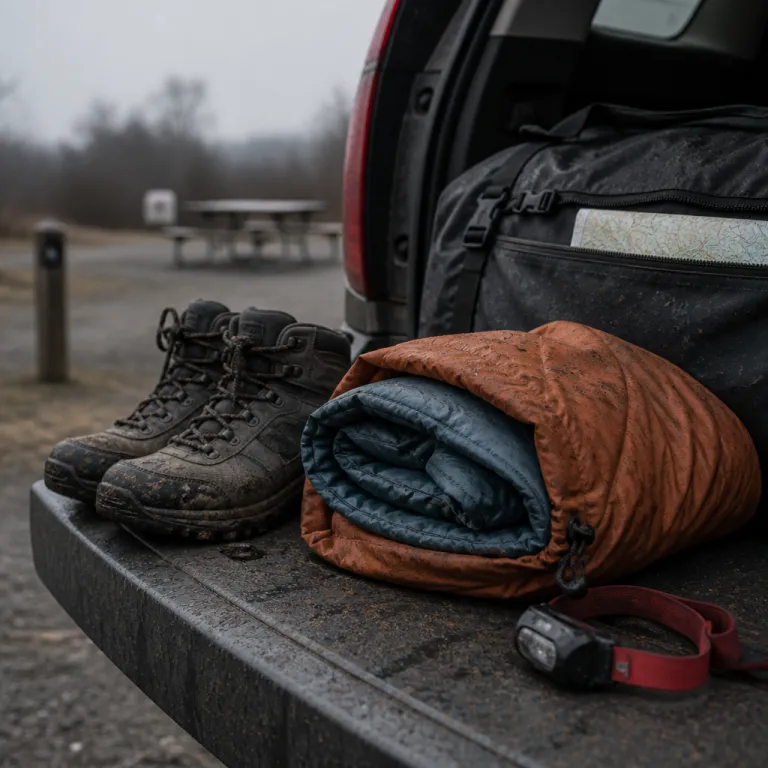
Pack the car as if you were curating a compact hotel room on wheels, with water, snacks and a small overnight bag accessible without unpacking the entire camp. Keep your tent, headlamps and a minimalist camp kit in a separate bag so that if you reach a national forest overflow campground after midnight, you can set up quietly without waking the loop. For couples considering solo segments of the drive, a guide to solo campsite selection offers useful camping tips on choosing a safe site, reading the campground layout and balancing privacy with proximity to other campsites.
How dawn arrivals unlock hidden gem sites in crowded parks
Arriving at a national park or national forest campground between 5 a.m. and 7 a.m. changes the quality of your stay more than any gear upgrade. The first sites to go are always the waterfront or river bend pitches, the end of loop sites with only one neighbor, and the primitive sites tucked just far enough into the forest to feel private yet still close to toilets and water. When you commit to overnight drive camping first come first served, you are effectively queuing for those specific sites rather than for any random patch of gravel.
Rangers in busy national parks and state parks will usually post a list of available first come, first served campsites at the campground kiosk, and the couples who arrive first simply have more choice. In some park campgrounds, you will see a quiet choreography at dawn as early risers walk the loops, note which camp is packing up and then return to the office to secure that exact site number. This is where the strategy pays off ; you are not just hoping to find a place, you are targeting the one site that serves your idea of romance, whether that means a view, a short hike bike connection or proximity to vault toilets that are actually cleaned.
Hidden gems often sit in the second tier of famous destinations, where demand is high but not impossible. A national park such as Black Canyon of the Gunnison, often described as a second tier icon, offers dramatic cliff edge views with far less competition than marquee names, and a detailed shortlist of under the radar national parks can help you match your overnight drive camping first come first served strategy to places where it still works. In these parks, served camping and first serve systems at smaller campgrounds reward those who come first with sites that feel almost private, even when the reservation grid looks full.
Facilities, comfort and the quiet luxury of well chosen basics
Luxury minded campers care less about thread count and more about whether the toilets and water are where they should be, clean and functional. When you plan an overnight drive camping first come first served run, study each campground map to see which loops have flush toilets, which rely on vault toilets and where the potable water spigots sit in relation to the best sites. A site that looks perfect on a satellite image may feel less refined when you realise the only toilets water combination is a long walk uphill in the dark.
Many national forest and state park campgrounds operate open year or nearly year round, but services can shift with the season, so you should confirm whether water is turned off or if only vault toilets remain. Couples who value comfort often aim for a balance ; they choose primitive sites for privacy yet stay within a short stroll of modern facilities, especially when planning a multi night camp. In some park campgrounds, the most desirable first come, first served sites sit near a central bathhouse, while in others the quietest served camping options are at the far end of a loop with only basic toilets and water, so your priorities will guide which site you ask the ranger to serve up.
Think of your camp as a pared back suite, where a level tent pad, filtered water and a well maintained fire ring replace turndown service. On lakeside routes, a refined waterside escape such as the cabins and campsites around Lake Shelbyville shows how thoughtful design can elevate even simple park campgrounds, and a curated guide to elegant lakeside stays can help you benchmark what comfort looks like in the wild. When you apply those standards to your overnight drive camping first come first served choices, you start to see which campsites genuinely offer quiet luxury and which simply charge resort prices for a basic patch of grass.
Safety, pacing and when the red-eye is not worth it
No campsite, however perfect, is worth a risky drive, so the first rule of overnight drive camping first come first served is to know your limits. Night driving demands more focus, and while the dataset confirms that it can be safe with proper precautions and alertness, couples should build in generous margins for rest, food and unexpected delays. A simple tactic is to treat the journey as two shorter drives with a planned sleep at a safe rest area or a 24 hour truck stop, rather than a single exhausting push.
Before you leave Los Angeles or any major city, check your vehicle carefully, from headlights to tyres, and share the driving if both partners are comfortable behind the wheel. Use GPS navigation to track your progress toward the national park or state park, but also carry an offline map in case the signal drops in a national forest corridor. If you arrive at a campground gate and find it closed, have a backup plan ; many regions offer dispersed primitive sites on forest roads or secondary campgrounds where first come, first served camping tips from local rangers can help you find a safe, legal place to sleep.
There will be nights when the red-eye strategy does not make sense, such as during heavy storms, after a long workday or when you already feel tired before departure. In those cases, a standard daytime arrival and a more modest site will serve you better than pushing for the perfect waterfront camp. The real luxury is choice, and the smartest couples use overnight drive camping first come first served as one tool among many, not as a rigid rule that overrides common sense and safety.
FAQ
Is it safe to drive at night to reach campsites?
Night driving can be safe when you are well rested, share the wheel where possible and plan regular breaks. The dataset notes that 40 % of fatal motor vehicle accidents occur at night, which underlines the need for caution. If you feel drowsy, stop and sleep rather than pushing on just to reach a campground earlier.
Do campgrounds allow arrivals during the night?
Policies vary widely between national parks, state parks and national forest campgrounds, so you must check in advance. Some park campgrounds keep entrance stations open late, while others lock vehicle gates and only allow walk in access after a certain hour. Always confirm gate times and late arrival procedures on the official park or forest website before planning an overnight drive.
What are the main benefits of arriving at a campsite very early?
Arriving around dawn gives you first choice of any unoccupied first come, first served sites, including the most desirable waterfront or end of loop pitches. You also avoid daytime crowds at the campground office, which makes the check in process calmer and faster. Early arrival leaves the rest of the day free for a hike bike outing, a long lunch or simply settling into camp without rushing.
How can I find out which campgrounds use first come, first served systems?
The most reliable information comes from official national park, state park and national forest websites, which list whether each campground is reservation only, mixed or entirely first come, first served. Many parks also publish seasonal updates that explain how many sites are held back for walk in guests. When in doubt, call the ranger station and ask specifically about first serve or served camping options for your dates.
What should I pack differently for an overnight drive to a campground?
For an overnight drive, keep a small bag with toiletries, warm layers and snacks accessible so you can stop and rest without unpacking the whole car. Place your tent, headlamps and basic camp kit in a separate container near the tailgate, ready for a quick, quiet setup if you reach a campground after dark. Carry extra water, a paper map and a backup power source for your phone, because some remote park campgrounds and primitive sites have limited services year round.
References
- The Dyrt camping reports on participation trends and booking challenges in the United States.
- National Park Service official campground and reservations information for national parks and national forests.
- State park agency websites for individual state parks, campground maps and first come, first served policies.