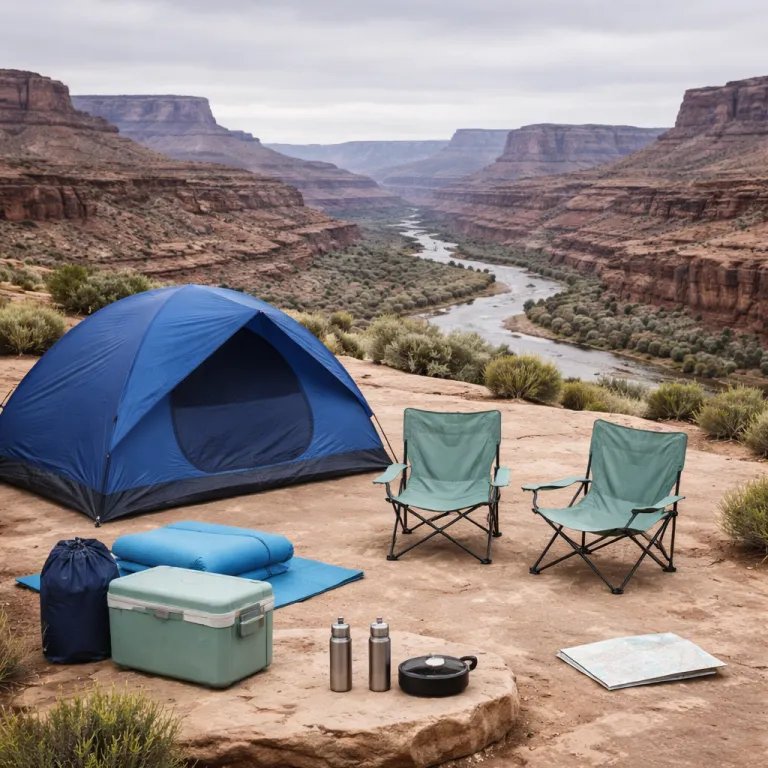
Why spring camping along Utah’s Grand Circle suits premium families
Spring camping in Utah’s Grand Circle gives families cool mornings, clear light, and manageable crowds. This is the season when a carefully planned trip through each national park and state park feels relaxed rather than rushed, because daytime temperatures usually sit in the comfortable middle range and the desert wind stays gentle. For a comfort-focused family used to hotel standards, the right luxury campsite booking website turns this grand circuit of canyon and rock into a seamless, high comfort experience.
The Grand Circle is a broad region of interconnected national parks and canyon landscapes in Utah and Arizona, linked by a circle road network of scenic highways. The National Park Service describes it as “a region encompassing several national parks in the Southwestern USA,” a simple phrase that understates how many miles of trail and river corridors you can explore in a single road trip. With nine national parks in the wider Grand Circle and dozens of national monument sites, the question is not whether to go, but how to design a trip itinerary that balances iconic stops with quieter valleys.
For families who usually book a grand resort in Las Vegas or Phoenix, a springtime Grand Circle camping holiday can be a gentle shift rather than a shock. You can still sleep on high thread count linens in a luxury tent or cabin, yet wake up within a short drive of Arches National Park, Bryce Canyon, or Zion National Park, instead of facing long transfer times. A premium booking platform for campsites lets you filter by river access, trail miles from camp, or proximity to a specific canyon national landscape, so you know in advance whether your children will be walking 2 kilometres or 10 before the first ice cream stop.
Mapping a refined Grand Circle road trip: hubs, distances, and booking windows
Think of a spring Grand Circle road trip as a necklace of parks threaded along a single elegant route, with Moab and Phoenix acting as polished anchor stones. From Phoenix you can reach the South Rim of Grand Canyon National Park in roughly 360 kilometres by highway, then continue along the circle road toward Monument Valley and onward to Utah’s canyon country. Moab then becomes your northern hub, placing Arches National Park, Canyonlands National Park, and several state park campgrounds within an easy drive for a multi day grand adventure.
For a premium family, the key is to break the grand circle into four or five logical segments, each with a mix of national parks and quieter national monument or state park stops. One refined trip itinerary might run from Las Vegas to Zion National Park, then on to Bryce Canyon National Park, Capitol Reef National Park, Moab for Arches National Park and Canyonlands, and finally south through Monument Valley toward Mesa Verde National Park and the Grand Canyon. Distances between these parks range from 80 to 400 kilometres, so a luxury focused booking website should show drive time estimates alongside campsite availability, helping you avoid late night arrivals with tired children.
Spring is peak demand for many Utah and Arizona parks, so booking windows matter. For serviced RV sites or luxury tented camps near Zion, Bryce, or Arches National Park, aim to reserve three to six months ahead, especially for weekends and school holiday periods. If you prefer more flexible camping near canyon rims or along the Colorado River, look for Bureau of Land Management campgrounds that release sites on rolling systems, and use a premium platform that integrates these public options with private glamping properties such as the artful canyon escapes near Sedona, which you can research through a refined guide to A-frame lodge stays in Sedona. To confirm specific reservation rules, it is also worth checking the official National Park Service pages for each park’s campground and permit details.
Iconic parks versus quieter gems: choosing where to linger
Every spring camping Utah Grand Circle plan starts with the big names, and rightly so. Arches National Park, Bryce Canyon National Park, Zion National Park, and Grand Canyon National Park are icons for a reason, with sculpted rock, deep canyon systems, and river carved valleys that feel almost theatrical at sunrise. Yet a premium family road trip becomes more enjoyable when these headline parks are balanced with less crowded national monument areas and under appreciated state park campgrounds.
In practice, that might mean two nights near Zion National Park, where you ride the park shuttle into Zion Canyon for short trail miles along the Virgin River, followed by a quieter night at a nearby state park with lakeside pitches and fewer tour buses. After a day grand of hiking among the hoodoos of Bryce Canyon, you could shift to Capitol Reef National Park, where orchards, historic farmsteads, and long scenic drive options along the Waterpocket Fold offer a softer, more spacious experience. Around Moab, pairing Arches National Park with a day in a less visited canyon national landscape such as the Needles district of Canyonlands gives children room to explore rock formations without constant crowds.
Premium booking websites that specialise in the Grand Circle should highlight these pairings, not just list every park and campground in a long, undifferentiated grid. Look for platforms that flag which national parks are likely to require timed entry permits, and which national monument or state park alternatives offer similar rock and river scenery with more relaxed access. One family, for example, booked a spring campsite at Watchman Campground in Zion through the official National Park Service reservation system about six months in advance, then used a private booking site to secure a quieter lakeside state park pitch for the following night, which gave them both shuttle access to Zion Canyon and a peaceful evening of stargazing. For families who enjoy coastal style camping, it can be helpful to read a refined guide to dramatic sites such as Vík í Mýrdal camping on Iceland’s south coast, then apply the same logic of mixing headline views with quieter nights to your Utah and Arizona trip itinerary.
Luxury and premium campsites along the Grand Circle: what to book where
Luxury camping along the Grand Circle is less about chandeliers and more about location, privacy, and thoughtful service. Near Zion National Park, comfort oriented families can book river adjacent campsites with shaded decks, on site cafés, and guided access to classic trail miles in Zion Canyon, while still returning to hot showers and proper mattresses each night. Around Bryce Canyon and Capitol Reef, several private campgrounds now offer safari style tents and well spaced RV sites that feel closer to a discreet lodge than a crowded holiday park.
Moab is the most strategic luxury hub for spring camping Utah Grand Circle, because it sits between Arches National Park, Canyonlands, and multiple state park reservoirs. Here, a good booking website will let you compare campsites by distance to the Colorado River, by drive time to key trailheads, and by the number of kilometres to the nearest supermarket or gear rental shop. Families who prefer cabins to canvas can also look north toward refined mountain escapes such as the elegant Duck Creek cabins in Utah, then blend a few nights of forest comfort with canyon and valley camping.
On the southern arc of the grand circle road, Monument Valley and the approach toward Mesa Verde and the Grand Canyon offer a different style of premium stay. Here, the luxury is often the view itself, with campsites positioned to frame the silhouettes of sandstone buttes or the vast trench of the canyon national landscape at dusk. A high quality booking platform should clearly indicate which sites are on tribal land, which are managed by the National Park Service or the Bureau of Land Management, and which private operators offer guided drives or river trips that suit children, so you can align your reservations with the experiences you value most.
Spring weather, gear, and safety: desert realities for premium families
Spring camping Utah Grand Circle feels gentle compared with high summer, yet the desert still demands respect. Average daytime temperatures around Moab hover in the mid teens to low twenties Celsius, based on long term climate records, but nights can drop close to freezing, especially at higher elevation parks such as Bryce Canyon. That means premium families who are used to hotel climate control need to think in layers, packing insulated sleeping systems, windproof outerwear, and sun protective clothing for every member of the group.
Weather also varies dramatically across the grand circle road, because you move between low river valleys and high plateau parks in a single day. A morning that starts warm beside the Colorado River near Arches National Park can turn cool and breezy by the time you reach the rim of Capitol Reef or the amphitheatres of Bryce Canyon National Park. Luxury focused booking websites can help by listing elevation, typical spring temperature ranges, and prevailing wind conditions for each campsite, so you can match your gear to the specific canyon or valley you will be sleeping in.
Safety wise, the main risks are dehydration, sun exposure, and underestimating trail miles with children. Choose national park and state park trails that follow rivers or offer regular shade, such as the Riverside Walk in Zion Canyon or the family friendly loops in Arches National Park, and always carry more water than you think you need. Because spring can still bring sudden storms, especially around the Grand Canyon and Mesa Verde, keep an eye on National Park Service alerts and be prepared to adjust your trip itinerary, using the flexibility of a premium campsite booking platform to shift nights between parks when necessary.
Designing a family friendly Grand Circle itinerary: pacing, activities, and value
For a premium family, the success of spring camping Utah Grand Circle rests on pacing as much as scenery. Children rarely care whether a canyon is part of a famous national park or a lesser known national monument; they care about how long the drive takes, whether there is a river to splash in, and how soon the next snack appears. A well designed trip itinerary therefore alternates longer drive days with short hops of 80 to 150 kilometres, and pairs each travel day with at least one simple, high reward activity.
One elegant pattern is to structure the grand circle into three or four two night clusters, each anchored by a major park and complemented by a quieter neighbour. For example, start with Zion National Park and a nearby state park lake, move on to Bryce Canyon and Capitol Reef, then spend several days around Moab for Arches National Park and Canyonlands, before finishing with Monument Valley and the Grand Canyon. This approach keeps total road trip miles reasonable, gives children repeated chances to walk short trail miles to viewpoints, and allows adults to enjoy the changing rock formations and river carved valleys without feeling rushed.
From a value perspective, luxury camping along the Grand Circle often delivers better return on investment than booking multiple high end hotels in Las Vegas or Phoenix and driving out for day trips. Campsites managed by the National Park Service or Bureau of Land Management usually charge modest nightly fees, while premium private parks justify higher rates through larger pitches, curated activities, and thoughtful amenities. By using a trusted booking website that aggregates both public and private options across Utah and Arizona, and by paying attention to park regulations and permit requirements in advance, you can secure the cliff edge pitch where the sunset belongs to whoever carried their tent there, without paying resort prices for a simple patch of gravel.
Key figures for spring camping in Utah’s Grand Circle
- The wider Grand Circle region contains nine national parks, according to the National Park Service, which makes it one of the densest clusters of protected canyon and rock landscapes in North America.
- Average spring temperatures around Moab sit near 18 °C during the day, based on long term weather data, which creates ideal conditions for family friendly trail miles without the extreme heat of midsummer.
- Spring, defined roughly as March to May in this region, is widely regarded by park managers and local operators as the best time to camp in Utah’s Grand Circle because of mild weather and blooming desert wildflowers.
- Driving a full loop of the grand circle road from Las Vegas through Zion, Bryce, Capitol Reef, Moab, Monument Valley, Mesa Verde, and the Grand Canyon typically involves 1 600 to 2 000 kilometres, depending on side trips and state park detours.
- Online reservation systems now cover most serviced campsites in and around the national parks, which means premium families can secure key spring dates months in advance rather than relying on first come, first served sites.
FAQ about spring camping along Utah’s Grand Circle
What is the Grand Circle in the context of a family camping trip ?
The Grand Circle is a loosely defined region of the Southwestern United States that links several major national parks and surrounding canyon landscapes in Utah, Arizona, Colorado, and New Mexico. For families, it functions as a natural road trip circuit, with a circle road of highways connecting Zion, Bryce Canyon, Capitol Reef, Arches, Canyonlands, Mesa Verde, Monument Valley, and the Grand Canyon. This makes it easy to design a multi park itinerary with manageable daily drive times and varied scenery.
When is the best time for spring camping in Utah’s Grand Circle ?
Spring, roughly from March to May, is generally the most comfortable season for camping in Utah’s Grand Circle. Daytime temperatures are mild, nights are cool but manageable with proper gear, and desert wildflowers add colour to the rock and canyon vistas. This period also falls before the peak summer crowds, which helps premium families secure better located campsites in popular parks such as Zion National Park and Arches National Park.
Do I need permits or reservations for camping in the Grand Circle ?
Many developed campgrounds inside national parks and some state park sites require advance reservations, especially in spring. Backcountry camping in areas such as Zion Canyon, the Grand Canyon, or certain national monument zones often needs specific permits, which are issued by the National Park Service or the Bureau of Land Management. It is wise to check each park’s regulations well before your trip and to use a booking website that clearly indicates which sites are reservable and which operate on a first come, first served basis.
Is spring camping in canyon country suitable for young children ?
Spring camping in Utah’s canyon and valley landscapes can work very well for young children if you choose short, well maintained trails and keep daily drive distances modest. Many national parks, including Zion, Bryce Canyon, and Arches, offer signed family friendly walks along rivers or to rock viewpoints that require only a few trail miles. Premium campsites with clean facilities, shade structures, and nearby play areas also help maintain comfort levels similar to a good hotel stay.
How should I balance iconic parks with quieter alternatives on a Grand Circle road trip ?
A practical approach is to anchor your itinerary around three or four iconic national parks, such as Zion, Bryce Canyon, Arches, and the Grand Canyon, then weave in nearby state park or national monument stops for breathing space. For example, pair Zion National Park with a lake based state park, or combine Arches National Park with a day in a less visited canyon national area of Canyonlands. This pattern keeps the sense of grand spectacle while giving your family quieter nights and easier parking, which often matters more than ticking every famous name.