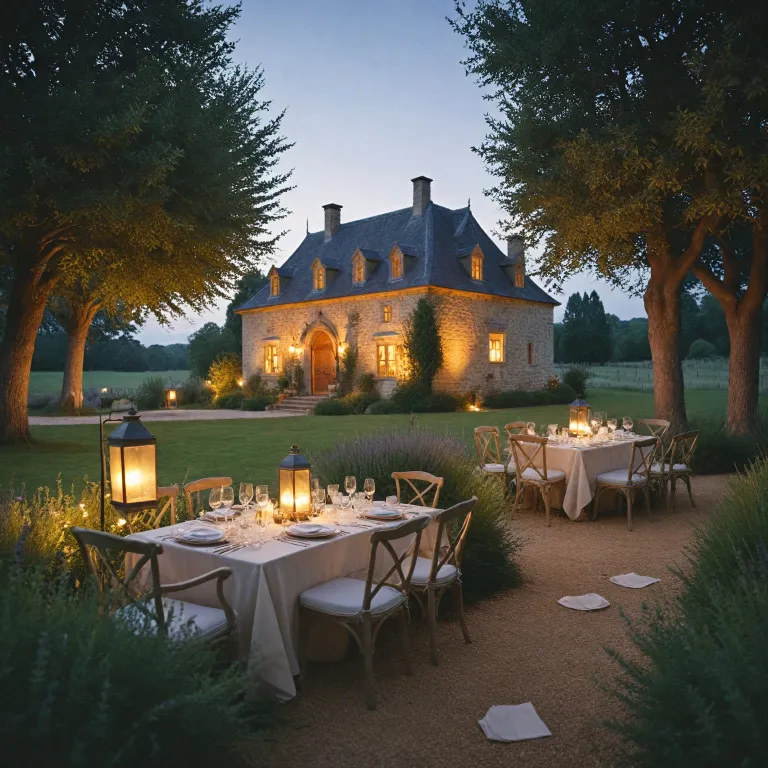
How luxury platforms curate the ideal camping chateau stay
Choosing a camping chateau through a premium booking website allows people to compare heritage rich estates with modern comforts in one refined space. These platforms highlight each campsite and chateau pairing with photography that shows the pool, terrace, and surrounding parkland in a way that feels both aspirational and honest. A well designed interface lets travellers filter by star campsite rating, heated swimming options, covered terrace layouts, and air conditioning in mobile homes or motor homes.
For travellers used to hotels, clarity around accommodation types is essential, especially when shifting to camping or glamping. Luxury focused sites therefore explain the difference between camping pitches for tents caravans, fully equipped mobile homes, and hybrid options that blend a tent aesthetic with hotel style bedding. Detailed maps show where the swimming pool, paddling pool, sanitary facilities, and accueil vélo services sit in relation to the chateau itself, which reassures families and people with reduced mobility.
Premium platforms also contextualise each camping chateau within its region, whether in the heart of the Alps or near sandy beaches in Vendée. They highlight when a campsite offers direct access to local vineyards, forest trails, or historic villages such as Saint Emilion, helping guests plan activities that match their style of stay. By presenting castel camping estates like Camping du Château, Camping Du Vieux Château, Camping Le Château de Rochetaillée, Camping du Château de Montigny le Roi, and Camping Château La Forêt side by side, travellers will find it easier to compare pitches, terraces, and seasonal opening dates from April to September.
From château grounds to campsite: what luxury really means
On a luxury booking website, the term camping chateau signals more than a campsite beside old stone walls. It suggests a curated experience where the heart of the estate, often the main chateau, anchors landscaped grounds with carefully spaced camping pitches and mobile homes. Guests expect a star campsite standard, with manicured lawns, elegant terraces, and a swimming pool or heated swimming complex that feels aligned with the architecture.
At properties such as Camping Château La Forêt in Vendée or Camping Le Château de Rochetaillée in the Alps, premium platforms emphasise how activities and facilities respect the historic setting. Families and family friends can move from the paddling pool to tree shaded pitches, then to the terrace of a restored outbuilding for evening drinks, without losing the sense of staying on a castel estate. The best castel camping listings describe how sanitary facilities are integrated discreetly, how accueil vélo supports cycling excursions, and how people with reduced mobility can navigate paths between the chateau, pool, and accommodation.
Luxury also lies in choice and privacy, which booking sites communicate through precise descriptions of tent and mobile home layouts. Travellers can select mobile homes with covered terrace and air conditioning, or opt for more traditional camping with tents caravans on larger pitches near woodland. When a campsite offers year round access for self contained motor homes, as at Camping du Château de Montigny le Roi, platforms highlight this flexibility while still underlining the seasonal charm of April September stays for tents and caravans.
Designing the perfect family stay at a camping chateau
Families considering a camping chateau often compare it directly with a hotel stay, especially when travelling with young children or grandparents. Luxury booking websites respond by foregrounding safety, comfort, and shared experiences, starting with clear information about the paddling pool, main swimming pool, and any heated swimming zones. They also specify whether the campsite offers lifeguard supervision, shaded terrace areas for parents, and quiet hours that protect sleep for every age group.
For multi generational trips, the mix of accommodation becomes crucial, because not everyone wants the same level of camping immersion. A premium platform might suggest mobile homes with air conditioning and covered terrace for grandparents, while younger people choose camping pitches for tents caravans closer to activities. By mapping distances between the chateau, pool, sanitary facilities, and play areas, the site helps a family or family friends group plan a stay that balances independence with togetherness.
In regions like Vendée, where sandy beaches sit within easy driving distance of estates such as Camping Château La Forêt, booking engines highlight day trip potential alongside on site activities. They explain how accueil vélo services support cycling to nearby lakes, how castel camping teams organise cultural visits to local villages, and how people with reduced mobility can still participate. When families browse several campsite offers at once, they will find that the most compelling listings weave together pitches, mobile homes, and chateau based experiences into one coherent narrative of relaxed French elegance.
Accessibility, accueil vélo, and thoughtful services for every guest
Luxury and premium booking websites increasingly recognise that a camping chateau must welcome every type of traveller with equal care. Detailed accessibility information now sits alongside star campsite ratings, specifying adapted sanitary facilities, step free routes between the chateau, pool, and terrace, and dedicated camping pitches for guests with reduced mobility. Platforms also clarify whether mobile homes or motor homes can park close to these facilities, and whether covered terrace designs allow easy wheelchair circulation.
For active guests, accueil vélo has become a hallmark of thoughtful service, especially at estates in the heart of cycling regions. Booking pages explain where people can store bikes securely, how to access regional routes near Saint Emilion or the Oisans mountains, and whether the campsite offers repair kits or partnerships with local guides. When a camping chateau sits near sandy beaches or forest trails, the listing often links accueil vélo with other activities, such as guided rides to viewpoints or family friendly circuits.
Premium platforms also pay attention to quieter needs that shape a refined stay, including noise management and privacy between pitches. They describe hedged boundaries around camping pitches, orientation of mobile homes away from busy paths, and terrace layouts that frame views of the chateau rather than car parks. By presenting these details transparently across multiple campsite offers, booking sites help people with different expectations, from solo travellers to large family friends groups, will find a camping or castel camping environment that genuinely suits them.
Seasonality, availability, and how to time your château camping escape
One of the most valuable roles of a luxury booking website is clarifying seasonality for each camping chateau, because opening dates vary significantly. Some estates, such as Camping du Château de Montigny le Roi, welcome self contained motor homes all year, while tents caravans are limited to the softer months between May and late September. Others, like Camping Du Vieux Château or Camping Le Château de Rochetaillée, operate broadly from April September, aligning with milder weather and the full programme of outdoor activities.
Premium platforms translate these calendars into practical guidance, helping people choose the right moment for their stay based on climate, crowd levels, and price. Early April September periods often suit travellers seeking quieter pools, more available camping pitches, and easier restaurant reservations in nearby villages such as Saint Emilion. High summer appeals to families who prioritise warm swimming pool temperatures, extended opening hours for paddling pool areas, and a richer schedule of on site entertainment around the chateau terrace.
Because demand for camping chateau experiences has risen, especially at four star campsite addresses in Vendée or the Alps, advance booking has become essential. Luxury sites therefore display real time availability for mobile homes, pitches for tents caravans, and special castel camping packages that may include guided tours of the chateau. They also remind guests to check whether accueil vélo, heated swimming, and certain activities operate throughout the full season or only during peak weeks, ensuring that what people expect online aligns with what they will find on arrival.
How to compare and book the right camping chateau online
When browsing a luxury booking platform, travellers benefit from approaching each camping chateau listing with the same scrutiny they would apply to an upscale hotel. First, they should examine the layout map, noting the position of the chateau, pool complex, sanitary facilities, and main terrace relative to camping pitches and mobile homes. This helps people understand whether the atmosphere leans towards tranquil parkland, lively family hub, or a balanced mix that suits both couples and family friends groups.
Next, attention should turn to accommodation details, especially for guests new to camping or castel camping. Descriptions ought to specify the size of mobile homes, presence of air conditioning, design of any covered terrace, and distance to the swimming pool or paddling pool. For those bringing tents caravans or motor homes, the listing should clarify pitch dimensions, ground type, shade levels, and proximity to accueil vélo services or sandy beaches in coastal regions such as Vendée.
Finally, discerning travellers should read how each campsite offers cultural and recreational activities that connect them to the heart of the region. Many château campsites integrate guided tours, wine tastings, or heritage walks, aligning with the broader trend that “Camping at château sites involves staying at campsites located on or near historic castle grounds, offering unique experiences that blend outdoor living with cultural heritage.” By cross referencing reviews, star campsite ratings, and the presence of features like heated swimming, guests will find it easier to select a stay that reflects their personal style of elegance and adventure.
Key figures about camping chateau stays in France
- Estimated number of château campsites in France : 50 sites, illustrating a niche yet significant segment within the wider camping landscape.
- Average occupancy rate during peak season : 85 percent, showing strong demand for campsite and chateau combinations among domestic and international travellers.
- Average contribution to the local economy per campsite : 500000 euros per year, underlining how each camping chateau supports surrounding villages, activities providers, and heritage preservation.
Essential questions about booking a camping chateau
What amenities are typically available at château campsites?
Amenities often include electricity and water hookups, sanitary facilities, recreational areas, and sometimes on-site restaurants or bars. On luxury focused platforms, guests can also filter for heated swimming pools, paddling pool zones for children, accueil vélo, and mobile homes with air conditioning or covered terrace. These details help people compare a camping chateau stay with a traditional hotel experience in a transparent way.
Are château campsites suitable for families with children?
Yes, many château campsites offer family-friendly facilities and activities, making them suitable for visitors of all ages. Parents can look for a star campsite rating, clear information about the swimming pool and paddling pool, and descriptions of on site activities that keep children engaged while adults enjoy the chateau terrace. Luxury booking websites often highlight how pitches, mobile homes, and shared spaces are arranged to support both play and quiet time.
Do I need to book in advance for a château campsite?
It is advisable to book in advance, especially during peak seasons, to ensure availability. Premium platforms show live inventory for camping pitches, mobile homes, and motor homes spaces, which is particularly important between April September when demand is highest. Early reservations also give people a better chance of securing specific views of the chateau, proximity to the pool, or easy access for guests with reduced mobility.