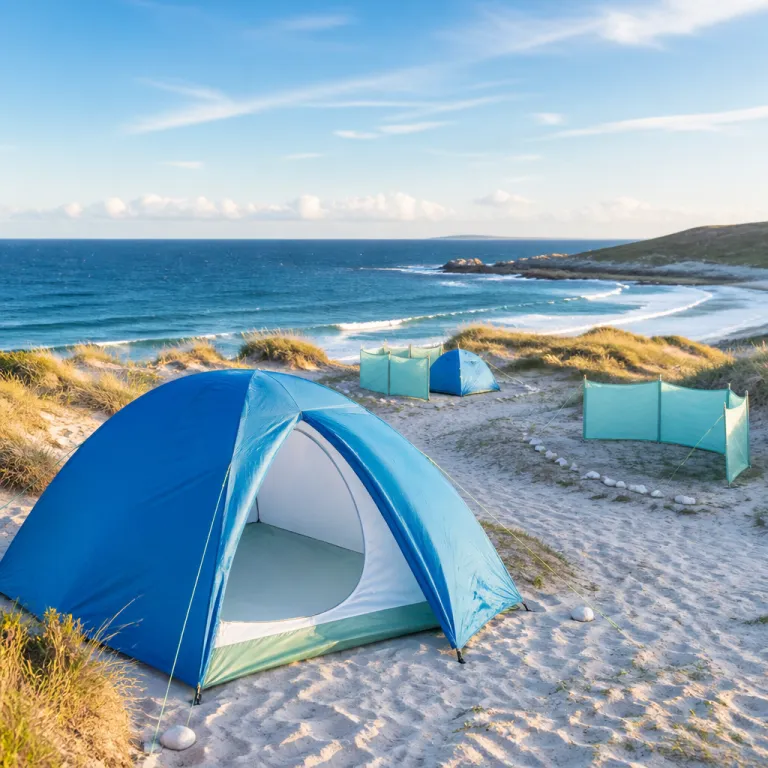
Why the best campsite morning light orientation feels like good real estate
The best campsite morning light orientation is not a myth for photographers; it is the quiet luxury detail that separates a merely good camp from a pitch you remember for years. Think of every potential camp spot as open air real estate, where the way morning sun enters your tent will eventually decide whether you wake rested or roasted. On a premium booking platform, the smartest couples now scan photos, maps and sun-path diagrams less for the river view and more for how the first light will slide across a flat spot at camp morning.
Experienced campers treat light like property investors treat square metres, because the way you orient your shelter dictates temperature, mood and how long you can linger in your sleeping bag. A tent door facing east toward gentle morning sun gives you soft light for coffee, while the same tent rotated toward the west can turn into a heat day trap by mid afternoon. When you browse luxury camp listings, look for hosts who mention sunrise orientation, shade patterns, prevailing wind and afternoon sun exposure rather than only listing distance to water or the number of spots per meadow.
Technology has quietly raised expectations, since golden hour calculators and sun position apps now let you find flat terraces where the sun’s angle during golden hour sits under roughly ten degrees above the horizon, based on standard astronomical definitions from agencies such as NOAA and the U.S. Naval Observatory. That low angle creates warm light that makes even a simple shelter withstand scrutiny from design minded travelers, and it flatters both canvas and skin in photographs. One expert summary from photography guides puts it clearly: “What is golden hour? Period after sunrise and before sunset with warm, soft light, typically lasting about an hour depending on latitude and season.” A simple sketch or sun-path diagram beside your chosen pitch can help you visualise this, with the tent door marked toward the first light and trees drawn where they will cast shade later in the day.
East facing tents and afternoon shade: the quiet rules of premium pitches
On a well curated campsite booking page, the hidden luxury is often an east facing opening that catches morning sun for exactly one unhurried hour. The best campsite morning light orientation usually means you pitch tent with the door looking toward the first light, while arranging your camp feet slightly higher than the surrounding ground to avoid any flash flood surprise during the night. A good spot in this sense is less about being closest to the river and more about how the sun, wind and trees choreograph your day from sunrise to late afternoon.
Couples who camp regularly know that western exposure can turn even a premium tent into a 15 square metre oven by mid afternoon. If you arrive after a long day on the trail, you want to find small details in the listing that hint at shade from trees by three o’clock, because that is when the heat day peaks and fabric radiates stored warmth. The best campsite morning light orientation therefore pairs an east facing door with some form of late day wind protection, whether from a low ridge, a stand of pines or a rock outcrop that also acts as natural shelter withstand gusts and funnels breezes away from the sleeping area.
In forested sites, the quality of light through canopy matters as much as direction, since filtered beams can turn a simple camp into a cathedral like space. For a deeper dive into how tall trunks and high branches shape mood, look for guides on how an old growth canopy transforms a campsite from functional to sacred, because those same principles help you read photos on any luxury booking page. When you compare several spots, imagine where the light will fall on your sleeping bag at sunrise and where the shadow line will sit by dinner, then choose the pitch tent location that keeps you comfortable rather than merely impressed, using a simple mental checklist for sun, shade and shelter: east facing entry, mid afternoon tree cover, and a wind break behind the sleeping area.
Tree filter versus open sky: designing light and shade like a hotelier
Luxury hoteliers obsess over how light enters a suite, and the best campsite morning light orientation deserves the same care when you select a camp. Under trees, the morning sun arrives softened and dappled, which can be better for couples who like to wake slowly and stay in the sleeping bag without squinting. In open meadows, by contrast, the first light hits hard and fast, so you must find flat ground where you can orient the tent to catch the glow without inviting too much heat day intensity by nine, especially on long day summer trips at mid latitudes.
Tree filtered light also changes how you use shared camp spots, because a stand of pines can create natural zones for breakfast, reading and evening wine. When you browse a premium listing, look for photos where the tent, trees and river sit in the same frame, then imagine how the light will move across that triangle during the day. A good camp in this context is one where you can shift your chair a few feet water side for golden hour, then retreat a few camp feet back under branches when the wind picks up or the sun climbs higher, effectively zoning your site the way a boutique hotel zones a terrace.
Open sky pitches near water good for reflections can be spectacular at sunrise, yet they demand more planning for wind protection and shelter withstand capacity. You do not want to wake in the night to a flapping flysheet because you chose the most exposed real estate simply for the view. For couples who value atmosphere, a slightly tucked away flat spot with partial canopy often offers a better balance of light, privacy and comfort than the headline grabbing river bank, especially when combined with a carefully chosen sunrise orientation. A simple overhead diagram showing tent, tree line and water can clarify this balance, with arrows indicating morning light direction and afternoon shade zones.
Seasonal sun angles, long days and the photography dividend
The same campsite can feel like a different property in early summer compared with late season, because the best campsite morning light orientation changes as the sun’s path shifts. In high summer, long day patterns mean the sun rises earlier and travels higher, so a tent that enjoyed gentle morning sun in spring might receive harsh light straight onto the fabric by breakfast. When you plan a romantic escape, use sun position apps that draw azimuth and elevation lines, or consult sunrise tables from national meteorological or astronomical services, to check how the angle will eventually affect your chosen spot on your exact travel dates.
Golden hour typically lasts around sixty minutes, yet that hour slides along the horizon as months pass, altering which camp spots receive the most flattering light. A river bend that glows at camp morning in June might fall into shadow by the same clock time later in the season, while a previously overlooked terrace becomes the new best. For photography minded couples, this is where the best campsite morning light orientation pays off twice, because the same conditions that keep your tent cool also create unreplicable shots of steam rising from water and light catching the edges of trees, especially when you frame the sun just above the horizon. At mid latitudes around 45° north, for example, a June sunrise can arrive near azimuth 50 degrees with the sun roughly 5 degrees above the horizon after twenty minutes, while in late September the same campsite might see sunrise closer to 90 degrees with a lower arc and softer feel.
Online golden hour calculators make this process simple, letting you match your preferred wake time with the direction of light at your chosen camp. Popular tools such as PhotoPills, The Photographer’s Ephemeris and generic “sun position” planners let you drop a pin on the map, then preview where the sun will rise and set for specific dates. When you scroll through a luxury booking gallery, look for images taken at both early morning and late day, since that contrast reveals how the site behaves across the full cycle. The photography dividend is not vanity; it is a proxy for how well the camp layout, flat spot placement and natural features work together under changing light, and it doubles as a practical test of your chosen sunrise orientation.
Reading maps, water lines and wind to choose pitches worth fighting for
Before you even arrive, satellite imagery and topographic maps can help you identify the best campsite morning light orientation on any premium property. Start by tracing the river or lake edge, then pull back to find flat terraces a safe distance above any potential flash flood line, because no view is worth a soaked sleeping bag. A good spot usually sits slightly elevated, with enough trees for wind protection yet open enough toward the east to welcome morning sun without obstruction, and you can test this by checking where shadows fall on recent aerial imagery.
On a luxury booking site, pay attention to how hosts describe access to water, since “feet from the river” can mean either convenient or risky depending on the bank. You want water good for swimming or coffee, but you also want at least several camp feet between your tent and the highest natural watermark. Use the map’s shadow patterns to find flat clearings that receive first light while still allowing you to leave no trace, avoiding fragile vegetation and respecting existing paths between spots, and cross reference this with compass bearings or the sun-path line from your chosen app.
Atmosphere does not end with sunrise, so consider how your chosen real estate will feel when you cook, talk and watch the sky at night. A pitch tent location that glows at dusk can be enhanced with thoughtful touches like fire pits and string lights, and guides on building atmosphere at your campsite show how light layering turns a good camp into something quietly cinematic. When you combine that evening mood with a carefully planned best campsite morning light orientation, you end up with a shelter withstand setup that feels less like roughing it and more like a low key open air suite, supported by the same map and satellite method you used before arrival. For detailed sunrise and sunset times, many campers cross check app outputs with official data from agencies such as NOAA or the U.S. Naval Observatory, using those tables as a final confidence check on their chosen pitch.
FAQ
What is golden hour and why does it matter for camping ?
Golden hour is the period after sunrise and before sunset when light is warm and soft, typically lasting about sixty minutes according to standard photography and astronomy references. This gentle light makes a campsite feel calmer, keeps temperatures more comfortable and flatters both landscape and people in photographs. Choosing a pitch with good exposure to golden hour often results in the best campsite morning light orientation for couples who value ambiance and want sunrise photos without harsh contrast.
How can I use apps to plan the best campsite morning light orientation ?
Sun position apps and online golden hour calculators show where the sun will rise and set for specific coordinates and dates, often using data derived from observatories or national weather services. By cross checking this information with campsite maps or satellite imagery, you can align your tent door toward the desired morning sun while ensuring afternoon shade. This planning helps you find flat, safe ground that balances light, temperature and privacy, and it turns sunrise orientation into a simple pre-trip checklist item rather than a guess. Many campers now rely on tools like PhotoPills or The Photographer’s Ephemeris to preview azimuth and elevation lines over their chosen valley or lake.
Should I always choose a campsite closest to the river or lake ?
Being near water feels luxurious, but the closest pitch is not always the best. You need enough height and distance to avoid flash flood risk and damp air that can chill you at night, especially in narrow valleys where cold air pools. Often, a slightly set back flat spot with a clear view of the water and good wind protection offers a better overall experience, while still giving you reflections at camp morning and comfortable evening air.
Is it better to camp under trees or in an open meadow for light ?
Under trees, light is filtered and softer, which keeps temperatures moderate and creates a more intimate mood. Open meadows receive stronger direct sun, which can be beautiful at sunrise but harsh by midday, especially on long day summer trips. Many premium sites offer a hybrid option, where partial canopy provides shade while gaps in the trees frame the sky and horizon, giving you both golden hour campsite views and cooler midday shelter.
How do I balance leave no trace ethics with finding a good light oriented pitch ?
Start by using existing tent pads or obviously established clearings, then rotate your tent within that space to optimise the best campsite morning light orientation. Avoid trampling vegetation just to chase a slightly better angle, and keep your camp feet within durable surfaces like gravel, rock or already compacted soil. This approach respects the landscape while still giving you control over how sun and shade shape your stay, and it aligns with standard leave no trace guidance on minimizing campsite impact.