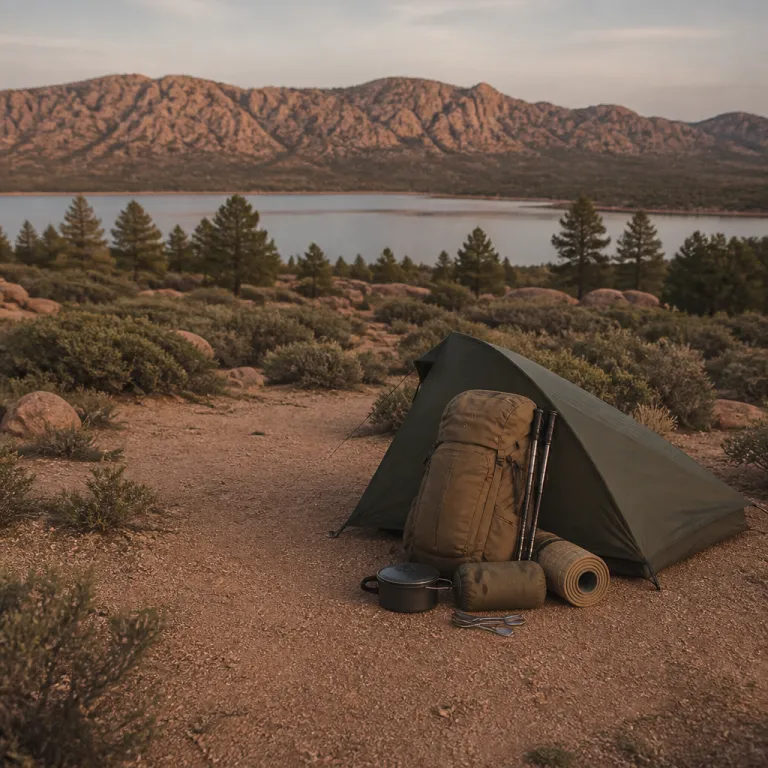
The quiet luxury of the one-bag campsite
Minimalist camping is not about suffering through a spartan night. It is about curating a minimalist camping gear setup so refined that every item you pack earns its place and every moment at camp feels unhurried. When you arrive at a premium campsite and step out of the car, the aim is simple yet ambitious; you want to spend time inhabiting the landscape, not wrestling with an overgrown pile of camping gear.
On luxury and premium booking platforms for camping, the culture of over packing shows up in the photos guests share. You see a beautiful camping tent pitch on a lake, then a foreground crowded with an air mattress the size of a yacht, three camp stoves, and enough sleeping bags for a minimalist family reunion. The result is camp creep: each camping trip adds one more “just in case” item to the packing list until the car camping experience feels more like moving house than escaping it.
Experienced minimalist campers reverse that trend with discipline. They start with the campsite, not the pack, and choose a small but well designed camping tent that matches the climate, the terrain, and the level of service the property offers. From there they build a tight list of camping gear around three priorities: safe sleeping, simple cooking with one reliable camp stove, and an aid kit that covers real risks instead of hypothetical drama.
Luxury does not disappear when you shrink your pack; it becomes more intentional. A premium lakeside camp with walk in pitches, such as the car-free terraces at eco-focused sites in the Italian Dolomites or the walk-in meadows at UK estates like Fforest, suddenly works for a couple because their backpacking load is light enough to carry in one relaxed trip. The best properties for this style of minimalist camping are the ones that keep car access convenient yet encourage guests to leave the minimalist car behind and wander to quieter, more secluded corners of the grounds.
Behind the scenes, outdoor gear manufacturers and high end campsites are quietly aligned. Brands focus on lightweight, multi use gear while hosts design sites where a small pack and a single sleeping bag per person are all you need. For travelers used to hotel stays, this shift feels surprisingly familiar: you are trading volume for curation, and the reward is a campsite that looks and feels as composed as a well considered suite.
How camp creep ruins great sites (and how to roll it back)
Camp creep begins innocently enough with one extra blanket, a second air mattress, or a larger tent “just in case” a friend joins. Over a few camping trips, that instinct to keep adding turns a clean minimalist camping gear setup into a rolling storage unit that fills every corner of the car. At check in, you spend more time doing camping packing Tetris than appreciating the design of the site you booked.
On a luxury campsite, the contrast is stark. The property might offer a generous camping checklist, a free printable packing list, and even suggested gear for family camping, yet the most relaxed couples arrive with half of what is recommended. They have learned to check each item against a simple question: does this help us sleep well, stay safe, or genuinely enjoy this specific camping trip?
One reason camp creep thrives is that many online gear reviews reward accumulation. Lists of the best camping gear for every scenario encourage you to buy a second camp stove for car camping, a third sleeping bag for shoulder seasons, and a backup camping tent “just in case” the weather turns. The result is a budget blown on duplicates and a pack that feels heavier every time you lift it from the minimalist car trunk.
Minimalist campers use a different method rooted in selective packing and multi use items. A compact tent that works for both backpacking and drive in sites, a single high quality sleeping bag each, and a shared aid kit replace a sprawling list of niche products. “What is one-bag camping?” and “How to pack for one-bag camping?” stop being abstract questions and become a lived habit: “Camping with only one bag of essential gear” and “Use lightweight, multi-purpose items and pack efficiently.”
Premium campsites increasingly support this shift with thoughtful infrastructure. When a property provides a sheltered cooking area, you can leave the second camp stove at home and keep your pack camping load small. When there is on site assistance and clear safety information, your aid kit can stay focused instead of bloated, and the time between parking the car and sitting down at camp shrinks to minutes rather than an hour.
What experienced minimalist couples actually pack
Couples who treat a campsite like a refined retreat, rather than an equipment expo, tend to carry remarkably similar kits. Their minimalist camping gear setup usually fits into one shared pack plus a small day bag, even when they book a premium site that allows car camping. The secret is a strict packing list that treats redundancy as the enemy of romance.
Start with shelter and sleeping, because that is where comfort lives. One high quality three season camping tent under about 1 kilogram per person, two well rated sleeping bags matched to the expected night temperatures, and a single compact air mattress or two lightweight pads form the core. This keeps the pack manageable for short backpacking approaches while still feeling indulgent when you camp beside the car.
Cooking and safety come next, and this is where couples often overspend and over pack. A single integrated camp stove, one shared cook pot, and a small but complete aid kit are usually enough for gourmet yet simple meals at a luxury campsite. When you check the price of high end gear, remember that one excellent stove and one durable pot beat a list of cheaper duplicates that clutter the camp table and your budget.
Clothing and personal items are where minimalist discipline really shows. Experienced minimalist camping travelers keep to one outfit for hiking, one for camp, and a warm layer, using the campsite’s laundry or quick sink washes on longer camping trips. Toiletries shrink to travel sizes, electronics stay limited to a phone and perhaps a compact camera, and the pack remains light enough that walking from the car to a remote pitch feels like a pleasure rather than a chore.
For couples booking family camping style properties but traveling without children, the temptation is to fill the extra car space with “nice to have” items. Resist it; the best luxury campsites already provide chairs, fire pits, and sometimes even premium mattresses in fixed camping tent structures. Your role is to arrive with a minimalist pack that complements the setting, not competes with it, and to keep the visual field around your tent as calm as the landscape you came to enjoy.
How lighter gear unlocks better pitches and richer ambience
Once your minimalist camping gear setup fits into a single pack, the map of what is possible changes. Suddenly the most desirable pitches on a luxury campsite are not the ones closest to the car but the walk in terraces where the view is wide and the night stays quiet. A small load makes those sites realistic for more travelers, not just hardened backpacking purists.
Premium properties increasingly design zones that reward guests who bring less. You will see car parking kept at the edge, with footpaths leading to intimate clearings where only a compact camping tent and a tidy camp stove setup will fit comfortably. When you arrive with a restrained packing list, you can check in quickly, shoulder your pack, and reach those spaces before the golden hour without needing staff to shuttle gear by vehicle.
The sensory difference at a one bag camp is immediate. With fewer bags, fewer crates, and no tower of plastic storage boxes, the eye rests on the line of the trees, the curve of the river, and the architecture of the campsite itself. This is where design focused properties, like those explored in essays on how glamping architecture is redefining shelter at campsitestay.com, truly shine; their aesthetic only fully emerges when guests do not bury it under equipment.
Lighter gear also changes how you move through the stay. A couple can decide on a whim to spend time at a viewpoint 2 kilometers from camp, carrying only a day pack with water and a slim aid kit, because the main pack camping load is already minimal. On multi night camping trips that combine car camping with short backpacking sections, this flexibility turns a standard booking into something closer to a private expedition.
From a design perspective, minimalist camping respects the intent of the campsite architect. When the space around each camping tent pad stays uncluttered, sightlines remain open and shared areas feel calm rather than chaotic. For travelers used to high end hotels where every object is placed with care, bringing that same restraint to the packing checklist is the fastest way to make a campsite feel equally considered.
Choosing and booking luxury campsites that reward minimalism
Not every campsite deserves your minimalist camping gear setup. Some properties still charge resort level price for a patch of grass beside a busy parking lot, where car camping culture encourages guests to unload every possible gadget. For a couple seeking a refined, one bag experience, the booking process becomes an exercise in reading between the lines.
On platforms like campsitestay.com, look for language that hints at walk in pitches, limited vehicle access, and thoughtfully designed communal facilities. These details signal a place where a small pack, a single sleeping bag each, and a compact camping tent will feel at home. When a listing emphasizes massive RV pads and on site gear rentals more than the landscape, it is a sign that your minimalist car and minimalist camping habits may be out of sync with the dominant culture there.
Before you confirm, check the amenities carefully and build your packing list around what the property already provides. If there is a covered cooking shelter with quality camp stoves, you can leave your own at home and keep your pack camping load light. If the site offers a detailed camping checklist or even a free printable guide, use it as a menu rather than a mandate, selecting only what fits your couple focused, minimalist family style of travel.
One bag camping aligns neatly with the broader move toward efficient, enjoyable travel. Data on air travel from industry reports shows that the average checked bag fee on major airlines now often sits above thirty dollars, and even on the road, every extra duffel adds friction to your journey. “Benefits of one-bag camping?” has a simple answer that applies whether you arrive by plane, train, or car: “Increased mobility, reduced setup time, and less physical strain.”
When you match a carefully chosen campsite with a disciplined minimalist camping gear setup, the reward is disproportionate to the effort. Check in feels as smooth as a well run hotel, yet the night sky is your ceiling and the air smells of pine instead of perfume. You spend time talking, cooking, and watching the light change, not hunting through sleeping bags and gear bins for something you packed but never truly needed.
FAQ
What is one-bag camping in a luxury campsite context?
One bag camping at a premium campsite means bringing only essential camping gear that fits into a single pack per person or one shared pack for a couple. You still enjoy a comfortable camping tent, a suitable sleeping bag, and a compact camp stove, but you avoid duplicate items and bulky extras. This approach pairs especially well with design led properties that offer good facilities, allowing you to keep your packing list short.
How do I create a minimalist packing checklist for a couple?
Start by listing the core categories: shelter, sleeping, cooking, clothing, and safety. For each category, choose the best single item you can afford, such as one reliable camping tent, two quality sleeping bags, one aid kit, and one efficient stove, then remove anything that only adds marginal comfort for its weight and price. Finally, check the amenities at your chosen campsite so you can leave behind items they already provide and keep your pack camping load small.
Can minimalist camping work for car camping stays?
Minimalist camping works very well for car camping, especially at luxury sites where parking is close but not on top of the pitches. Treat the car as transport, not storage, and commit to unloading only what you can comfortably carry in one or two trips. This keeps your campsite visually calm, speeds up setup and packing, and lets you spend time enjoying the surroundings instead of managing piles of gear.
What should always stay on my minimalist camping checklist?
Certain items should never leave a minimalist camping checklist: a safe and weather appropriate camping tent, an insulated sleeping bag or sleeping bags for each person, a compact air mattress or pad, a functional camp stove, and a well stocked aid kit. These cover shelter, warmth, food, and safety, which are the non negotiable foundations of any camping trip. Once those are in the pack, everything else is optional and should earn its place based on how often you will use it.
Is minimalist camping suitable for family camping trips?
Minimalist camping can work for family camping, but it requires more planning and a realistic sense of what children truly need. Focus on one spacious but not oversized camping tent, a simple shared cooking setup, and a clear packing list that avoids duplicate toys and gadgets, then check what the campsite offers for kids so you do not over pack. Many premium family camping properties provide activities and equipment on site, which allows a minimalist family to travel with fewer bags while still keeping everyone comfortable.