Starlink price increase reshapes off grid business camping
SpaceX has quietly redrawn the map for executive campers who rely on Starlink internet for remote work in the wild. The latest Starlink price increase for camping off grid 2026 style trips pushes Roam 100 GB from 50 to 55 dollars per month and lifts Roam Unlimited from 165 to 175 dollars, while the unchanged 80 dollar Roam 300 GB tier now emerges as the value pivot for frequent travelers. For luxury and premium campsite booking platforms, this shift forces a new kind of due diligence ; the connectivity plan now matters almost as much as the view from your tent deck.
For guests who treat a forest cabin as a residential style office, the choice between a Starlink Roam plan and a traditional residential plan is no longer academic. The Roam 100 GB plan suits short camping stays of a few hours of video calls per day, while Roam Unlimited only makes sense for full time remote workers who stream, upload large files and share high speed Starlink internet with colleagues. Rvers who book cliff edge pitches through curated platforms now need to weigh the total cost of the standard dish, the Starlink hardware tier and the monthly service against the campsite’s own Wi Fi and power station options.
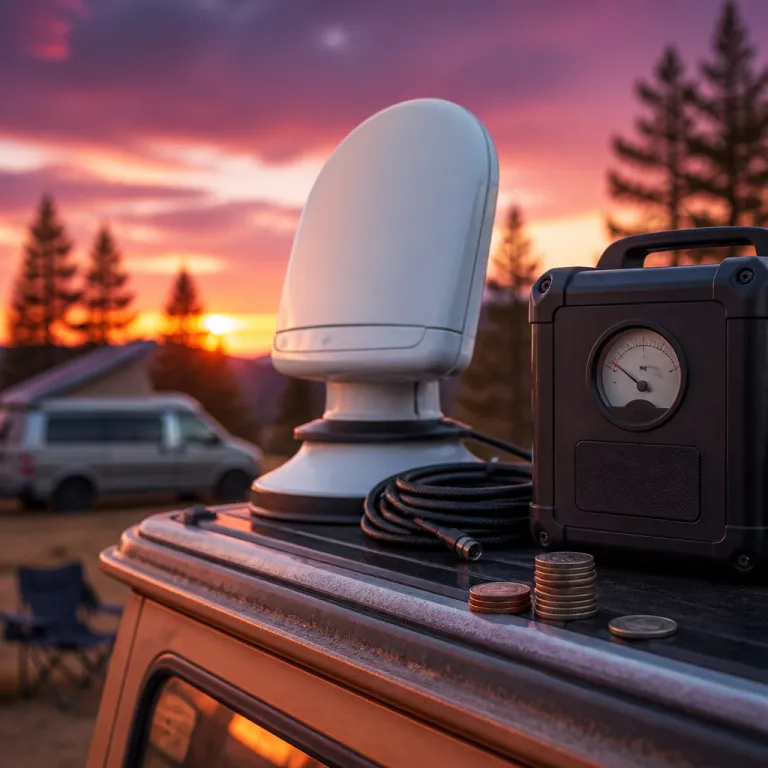
The hardware story is just as critical as the tariffs for this new generation of business leisure travelers. A standard kit with a standard dish and full size Starlink hardware draws more power than many compact power station units can comfortably supply during long camping weekends, especially when guests also run induction cooktops and electric coolers. The newer Starlink Mini and the smaller Starlink kit promise lower power draw for remote workers, but the upfront cost of the mini dish and related hardware still needs to be factored into any serious plan for off grid remote work.
Standby mode, roam plans and the new economics of seasonal stays
The most controversial change for the Starlink price increase camping off grid 2026 equation is not the headline Roam Unlimited jump, but the doubling of Standby Mode from 5 to 10 dollars per month. For seasonal campers who only need Starlink internet during a few peak months, that standby mode cost now risks becoming a trap, nudging them toward cancel and reactivate cycles instead of paying for a dormant tier. As one official summary puts it without spin ; "Increased by $10 to $175/month."
For premium campsite booking sites that curate long stay cabins such as the refined mountain escapes featured in the elegant Duck Creek cabins, this pricing shift changes how hosts should brief guests about connectivity. A guest who keeps a Starlink Roam plan in standby mode between trips now pays a higher annual cost, which may push them to rely more on campground networks or on a shared power station and mesh Wi Fi solution. Remote workers who previously treated Starlink backup service as a cheap insurance policy for critical calls may instead expect the property to provide a robust backup internet tier as part of the nightly rate.
Different roam plans now map cleanly to distinct camping styles for business leisure travelers. Occasional rvers who only need a few hours of high speed access for video calls each week can often live within the Roam 100 GB plan, especially if they schedule heavy uploads from urban hotels between wilderness stays. Full time remote workers who roam from national park campgrounds to lakeside cabins will still gravitate to Roam Unlimited or to the 300 GB tier, but they will scrutinize every watt of power draw from the Starlink kit and every extra dollar of monthly service when choosing between a standard kit and the more efficient Starlink Mini.
How luxury campgrounds respond with smarter power and connectivity
High end campgrounds and cabin clusters are already adjusting to the Starlink price increase camping off grid 2026 landscape by investing in their own infrastructure. Properties that once simply advertised a clear sky view for your personal dish now talk about shared Starlink internet, managed power station banks and on site mesh networks that keep video calls stable without every guest hauling a standard dish. For travelers booking festive season retreats such as the enchanting Christmas cabin rentals, the promise is shifting from raw bandwidth to curated, hassle free remote work capability.
Some luxury sites now offer a dedicated Starlink backup line for conference calls, treating connectivity as seriously as hot water pressure or thread count. Others bundle a roaming friendly plan into the cabin rate, so rvers and remote workers do not need to manage their own roam plans or worry about standby mode charges between trips. For executives extending a city meeting into a three day camping stay, the ideal property provides stable high speed internet, a discreet power station for the Starlink hardware and clear guidance on expected power draw in kilowatt hours per night.
For booking platforms like CampsiteStay, which already tracks how connected travelers fuel local economies in pieces such as how campers became the travel economy’s quiet engine, the next step is transparent tech profiling of each listing. That means stating whether a site supports a standard dish or only a Starlink Mini, whether there is a dedicated area with unobstructed sky view for Starlink Roam users and whether the host can provide guidance on power plans and backup options. In this new era, the best luxury campsites are not just selling silence and stars ; they are selling the confidence that your remote work, your calls and your video calls will run as smoothly as they would in a corner suite downtown.