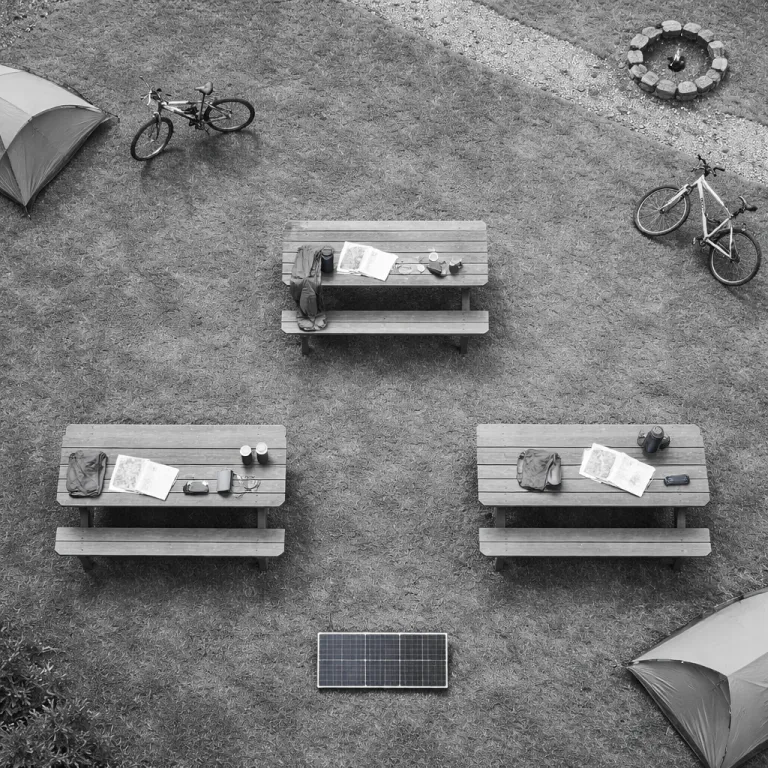
The new workation camping remote work mindset
Remote workers are no longer treating camping as a brief escape. Many are now designing a workation where the campsite becomes a semi permanent office, with work and leisure sharing the same pine scented air. This shift from traditional coworking space culture to refined campgrounds is reshaping how executives think about work life and long stay travel.
The data is clear; a growing share of campers are working remotely. In The Dyrt’s 2023 Camping Report (thedyrt.com), 28.9% of campers reported that they worked remotely during at least one trip, up from 23.8% in 2021, signaling a structural change in remote work rather than a passing fad. A 2022 survey from the American Camper Report and similar European outdoor travel studies also point to rising “work from campsite” stays, as employers normalize flexible policies and judge performance by output rather than office presence. For luxury and premium campsites, this means that every pitch, cabin, or camper pad is now a potential work campsite rather than just a place to sleep.
For business leisure travelers, the appeal is simple yet powerful. They can work remotely from a lakeside campsite in the morning, then close the laptop and step straight into nature for a trail run or paddleboard session. This blend of focused online work and immediate access to the outdoors offers measurable health benefits, from reduced stress to better sleep, which in turn supports sharper thinking during demanding office hours.
Workation style remote camping also reframes what “premium” means in the camping world. It is no longer only about a designer mobile cabin or a perfectly leveled camper pad, but about the reliability of the internet connection, the quietness of the pitch during core working time, and the availability of shaded outdoor tables that can double as an office. High end campgrounds that understand this are curating zones where campsite work feels as intentional as a well designed corporate office, yet remains rooted in birdsong and fresh air.
When travelers choose to work remotely from campsites, they are not rejecting technology; they are relocating it. Laptops, noise cancelling headsets, and portable power solutions sit alongside enamel mugs and hiking boots, and the digital office becomes a movable feast. This is where digital nomads and more traditional executives finally converge, using the same remote work infrastructure but with very different expectations of service, privacy, and comfort.
The infrastructure checklist for a luxury work campsite
For a workation to function, infrastructure matters more than the view. A luxury campsite that wants to attract remote workers must treat connectivity and power as core amenities, not optional extras. The best campgrounds now publish Wi Fi speeds, cell coverage maps, and power access details with the same care once reserved for spa menus.
Start with the internet connection, because without it remote work collapses into frustration. Serious remote workers should look for campsites that offer dual band Wi Fi, clear speed guarantees, and ideally a backup mobile signal strong enough to support a hotspot. Many premium properties now advertise typical download speeds of 25–100 Mbps and upload speeds of 5–20 Mbps, enough for multiple HD video calls. When a campsite offers a dedicated coworking space with wired connections, ergonomic chairs, and quiet zones, it signals that working remotely is not an afterthought but a central part of the guest experience.
Power is the second non negotiable pillar of campsite work. At premium properties, every pitch suited for a camper or mobile office setup should provide reliable electrical hookups, ideally with surge protection and clear amperage information. Off grid style campsites can still serve remote working guests by integrating a solar generator system, shared charging lockers, and guidance on using a personal portable power station safely.
Solar technology is quietly transforming work camping for those who prefer more secluded pitches. A compact solar generator paired with a high capacity portable power station allows laptops, routers, and phones to run for days without a noisy engine. Well known outdoor power brands now offer plug and play kits in the 500–1500 Wh range that keep the campsite free from generator hum, preserve the sense of nature, and give digital nomads the freedom to stay remotely camping on quieter loops instead of crowding near the main facilities block.
Workspace comfort is the final piece that separates a basic campsite from a true work campsite. Look for shaded communal decks, weather protected pavilions, or even private verandas where a portable desk can sit level and stable for long working sessions. Some refined mountain escapes, such as the elegant Duck Creek cabins in Utah highlighted on curated cabin stays for remote workers, show how thoughtful outdoor furniture, lighting, and proximity to trails can support both productivity and life balance.
From weekend camping to two week workation: choosing the right campsite
Choosing a campsite for a two night break is very different from planning a two week workation. For a short weekend of camping, travelers might prioritize dramatic views, proximity to a favorite hike, or the novelty of sleeping in a minimalist camper. When the same guests intend to work remotely for ten days, the criteria shift toward routine, reliability, and subtle comforts that support daily working rhythms.
Long stay remote workers should think in terms of zones rather than single features. One zone is the digital office, which might be a shaded picnic table near the Wi Fi router, a quiet corner of a coworking space, or a private deck attached to a cabin. Another zone is the decompression area, perhaps a lakeside dock, a forest trail, or a hammock grove, where the mind can detach from remote work and reset before the next video call.
Luxury campgrounds that understand this pattern are redesigning their layouts. They cluster work friendly pitches near strong signal areas, while preserving more secluded loops for guests who are not working remotely and prefer a traditional camping atmosphere. Some lakeside properties, such as the refined cabins at Lake Eufaula featured on elegant lakeside workation retreats, demonstrate how a single property can host both focused remote workers and relaxed holidaymakers without conflict.
Time also behaves differently on a workation style remote stay. During a weekend, every hour feels precious and tightly scheduled, but over one or two weeks, guests can weave work, exercise, and rest into a more sustainable pattern. This is where the health benefits of camping intersect with professional life, as consistent exposure to daylight, movement between calls, and the calming presence of nature support better sleep and more stable mood.
For digital nomads and executives alike, the goal is not to replicate a city office at the campsite. Instead, they aim to create a flexible framework where they can work remotely in the morning, enjoy free afternoons for exploration, and return to the screen only when necessary. When campgrounds design with this rhythm in mind, offering quiet hours that respect both sleep and video meetings, they become ideal bases for remote working guests who value both performance and life balance.
Gear, pricing models, and the new etiquette of working remotely outdoors
The right gear turns a pretty campsite into a functional open air office. At a minimum, remote workers should pack a lightweight portable desk, a comfortable camp chair with lumbar support, and a shade solution such as a tarp or awning to keep screens readable. A compact power station, ideally charged by a foldable solar panel, ensures that laptops and routers stay alive even when the campsite power supply is inconsistent.
Connectivity boosters are equally important for serious campsite work. A high gain mobile antenna or router can transform a marginal signal into a stable link, making remote work viable in campgrounds that would otherwise be off the list. Many digital nomads now travel with dual SIM hotspots, allowing them to switch networks quickly when working remotely from different regions or countries.
Campground operators are responding with new pricing models tailored to remote workers. Some offer weekly or monthly rates that include a reserved desk in a shared coworking space, priority access to the strongest Wi Fi zones, and bundled use of meeting cabins for confidential calls. Others structure campsite offers around “quiet work loops” where guests agree to limit noise during core office hours, trading a little spontaneity for a more predictable working environment.
Etiquette is evolving alongside these services, and it matters for maintaining the calm that makes nature so restorative. Remote workers who take calls outdoors are learning to use headsets, keep voices low, and avoid monopolizing communal tables during peak meal times. In return, leisure campers are gradually accepting that laptops at picnic tables are part of modern camping life, especially when the work supports longer stays and more vibrant campground economies.
For travelers who want a more architectural setting without losing the campsite spirit, properties such as the A frame lodges in Sedona featured on elegant A frame lodge stays for canyon workations show how design can bridge digital and natural worlds. These stays offer strong internet connection, thoughtful indoor office nooks, and immediate access to trails, allowing guests to work remotely in the morning and step into red rock landscapes by late afternoon. In such places, the line between digital nomad and discerning holidaymaker blurs, and the campsite work model becomes a refined lifestyle choice rather than a compromise.
Why the campsite office can outperform the city desk
For many professionals, the most surprising part of a workation camping remote work stay is not that it functions, but that it often improves performance. Away from urban distractions, remote workers report deeper focus, fewer pointless meetings, and a more intentional use of time. The campsite office encourages people to log off when the work is done, because a walk through nature or a swim in the lake is waiting just beyond the tent flap.
The context for this shift is simple; increased flexibility in remote work has allowed employees to choose where they are most productive. As one industry summary puts it, “What is a workation? Combining work and vacation by working remotely from a holiday location. Why choose campsites for remote work? To enjoy nature and flexibility while working. Are campsites equipped for remote work? Many now offer Wi Fi and co working spaces.” Those three statements capture why campgrounds are emerging as serious alternatives to city based coworking space memberships.
There is also a psychological effect that should not be underestimated. When people work remotely from a campsite, they are constantly reminded that work is only one part of a broader life, not the entire story. This perspective supports healthier work life boundaries, especially for digital nomads who might otherwise drift into endless remote working without clear separation between office hours and personal time.
Luxury and premium campsites that lean into this narrative are careful not to oversell constant connectivity. They provide robust infrastructure, from solar powered charging stations to quiet coworking pavilions, but they also design gentle friction points that encourage guests to close the laptop. A scenic path between the office deck and the shower block, or a sunset viewpoint that requires a short walk, nudges remote workers to step away from screens and enjoy the health benefits of movement and fresh air.
Ultimately, the campsite office is not about escaping responsibility. It is about choosing a setting where responsibility coexists with freedom, where portable power and strong Wi Fi sit alongside campfires and starry skies. For travelers booking through a luxury and premium campsite platform, the most valuable filter may soon be simple yet radical; “Can I work here, and will I feel more alive while I do it?”
Key figures shaping the campsite workation trend
- In a recent camping trends report from The Dyrt (thedyrt.com), 28.9% of campers reported that they worked remotely during at least one trip, highlighting how common working remotely from campsites has become among regular travelers.
- Industry surveys since the early 2020s, including the North American Camping Report and European outdoor travel barometers, show a sustained rise in remote work flexibility, which has enabled more than a quarter of frequent campers to plan at least one workation each season instead of limiting camping to traditional holidays.
- Across North America and Europe, campground associations report steady growth in properties advertising dedicated Wi Fi zones and coworking spaces, indicating that remote work infrastructure is now a strategic investment rather than a niche amenity.
- Technology providers in the outdoor sector have recorded strong sales growth for portable power stations and compact solar generator kits, reflecting the demand from digital nomads and executives who want to extend off grid stays without sacrificing reliable power for their devices.
- Travel behavior studies on business leisure guests show that stays of one to two weeks at campgrounds or cabin style properties are increasing, as remote workers extend business trips into nature based workations that support better work life balance.