Why solo camping belongs on a luxury traveler’s radar
Solo camping is no longer a backup plan for when friends cancel. For many independent travelers, a carefully chosen camp or luxury campsite is now as deliberate as booking a design forward city hotel, especially when the solo camping guide you follow understands premium expectations. This shift toward camping alone reflects a desire for solitude with standards, where the tent feels curated and the campground layout respects privacy.
Independent travelers between 25 and 50 are one of camping’s fastest growing segments. The 2023 KOA North American Camping & Outdoor Hospitality Report, for example, notes that younger adults are driving much of the growth in solo trips and that 31% of campers took at least one solo trip in 2022 (KOA, 2023, pp. 15–17). That demand is reshaping how upscale camp operators think about every individual pitch, from the distance between tent platforms to whether a solo car can park within sight of the sleeping bag without feeling like a car camping free for all. On a refined booking website for campsites, you should expect filters that highlight solo friendly sites, clear maps of each campsite, and transparent notes on noise, traffic and night lighting.
For many guests, a solo camping trip is about mental well being as much as scenery. The same KOA report found that nearly half of campers now say they intentionally book time outdoors for stress relief and emotional reset (KOA, 2023, p. 26), and solo travel can amplify that effect when the campground is quiet enough to hear the wind in the trees. A thoughtful campsite directory for solo travelers will therefore weigh not only the best views and access to water, but also how a place feels at dusk when the last car leaves the day use area and the camping adventure truly begins.
Safety first: how to read a campsite listing like a pro
Safety is the non negotiable foundation of any solo camping experience. When you scan a premium campsite listing, start with the map and look for pitches within comfortable walking distance of camp hosts, restrooms and other solo campers, because visibility and proximity matter more when you are camping alone. The most useful solo camping resource will highlight which areas of the campground feel exposed, which feel tucked away, and which balance both for independent travelers.
Luxury focused platforms should give you more than a vague promise of safety. Look for clear descriptions of lighting around each camp, emergency contact details, and whether the road into the campground is paved, gravel or narrow forest track, because that affects both your car and your nerves on a late arrival. Many of the best listings now include notes on mobile coverage, nearby ranger stations in national parks, and whether backcountry camping zones are patrolled or left entirely to self reliance.
Research on solo camping from organizations such as the American Hiking Society and the Leave No Trace Center for Outdoor Ethics is reassuring for cautious travelers. One widely shared expert answer to the question “Is solo camping safe?” is essentially, “Yes, with proper preparation and precautions.” Those same guidelines advise you to choose familiar locations, check weather forecasts and keep emergency contacts accessible, which aligns perfectly with the more discreet, crowd avoiding stays featured in guides to quieter holiday weekend camping. When a listing also explains fire regulations, water sources and any wildlife considerations, you can pack with confidence and focus on the restorative side of your camping trip.
Hidden gem campgrounds that actually work for solo campers
Hidden gems for solo camping are not just remote dots on a map. The right campground feels intimate without being isolated, giving you the option to share a fire ring conversation or retreat to your tent with a book and a headlamp. A serious solo camping guide will therefore favor smaller campgrounds with fewer than 40 pitches, where staff recognize repeat solo travelers and keep an eye on late night arrivals.
Look for camp operators who design with solo female guests in mind. That might mean tent camping terraces near facilities, clear sightlines from each campsite to the main path, and parking areas where a solo car is never the only vehicle in a dark corner. Properties such as Many Glacier Campground in Montana’s Glacier National Park and Mather Campground on the South Rim of Grand Canyon National Park, both known for staffed entrances, clear rules and walkable layouts, show how thoughtful spacing, well maintained trails and attentive hosts can turn a simple camp into a reassuring base for solo travel. As one repeat solo camper at Many Glacier put it in a public review, “I can hear the owls at night, but I also know the ranger station is a short walk away.”
Hidden gem does not have to mean backcountry camping far from help. Some of the best options sit just outside national parks, where you can enjoy a quieter camping adventure while still driving into the park for day hikes and scenic road trip loops. When reading reviews, pay attention to how other solo campers describe night noise, the behavior of groups around the fire, and whether the time camping felt restorative or restless, because those details matter more than any marketing copy.
Gear, packing and layout: designing a solo friendly basecamp
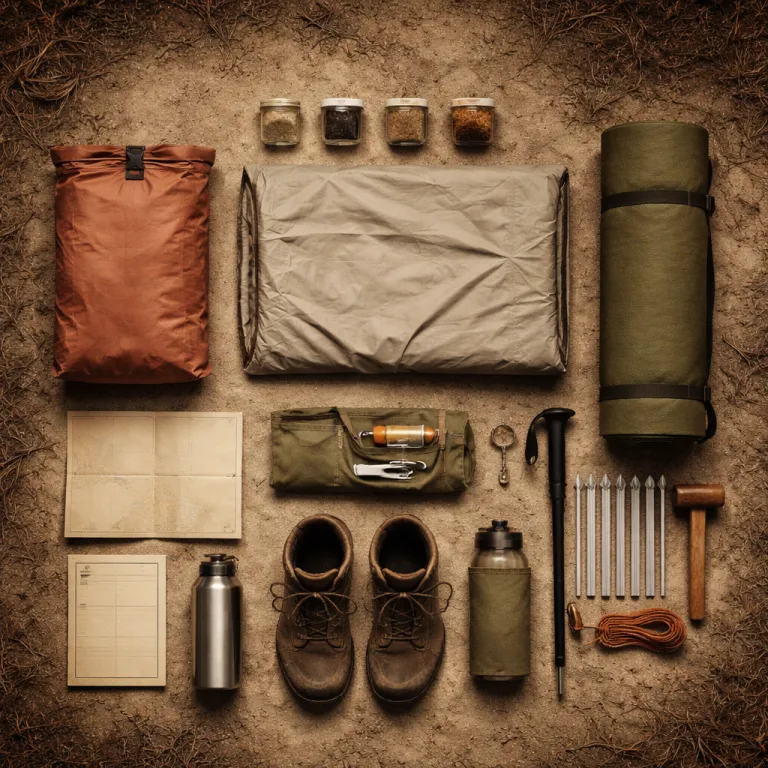
Thoughtful packing is where a luxury mindset meets the realities of a solo camp. You carry every piece of camping gear yourself, so the best solo camping guides will nudge you toward lighter but reliable equipment rather than an overstuffed car. Modern gear recommendations from outdoor retailers and safety organizations emphasize reliable lighting, weather appropriate clothing and simple cooking systems, and that is exactly where premium booking platforms can help by suggesting curated packing lists for each type of campground.
Start with the tent and sleeping bag, because they define your comfort window. For tent camping alone, a two person tent offers enough space to pack your gear inside, while a high quality three season sleeping bag keeps you warm without needing a heavy pile of blankets that fill the car. When you lay out your camp, keep the cooking area, water containers and fire ring within a few steps of the tent door, so that a quick opens window of the zip gives you a clear view of your entire setup at any time.
Luxury leaning solo travelers often pair car camping convenience with minimalist aesthetics. A compact solo car with a well organized boot can hold a small table, a comfortable chair and a refined cooking kit without feeling cluttered, especially if you pack in color coded bags. When a booking site suggests specific camping tips for each campsite, such as whether you need to bring all your own water or if there is a tap nearby, you avoid last minute scrambles and can instead enjoy the ritual of lighting the fire and settling into your camping adventure.
Booking smarter: reading between the lines of luxury campsite listings
Choosing a campsite as a solo traveler requires a different reading of the same listing. You are not just asking whether the campground is pretty, but whether it supports solo camping rhythms, from early quiet mornings to unhurried evenings by the fire. A refined solo camping guide will therefore teach you to scan for clues about noise, layout and the social temperature of the camp.
On a premium booking website, start with the photos and the map. Notice whether tents are crammed together or if each campsite has a clear boundary, and check if car camping pitches are separated from walk in tent platforms, because that affects both ambience and safety. Properties that highlight mental well being, digital detox and solo travel often also invest in better paths, softer lighting and communal areas that you can approach on your own terms, such as shared pavilions rather than mandatory group activities.
Do not forget to read the fine print on facilities and rules. Clear policies on quiet hours, fire management and leave no trace expectations usually signal a campground that values respect between guests, which is crucial when you are camping solo and want predictable nights. Some of the most interesting listings now pair tent camping with refined cabins or lakeside decks, as seen in curated stays like these elegant lakeside cabin escapes, giving you the option to mix a night under canvas with a night in a bed during a longer road trip.
The mental reset: why solo camping feels different from group trips
Solo camping is as much an interior journey as an outdoor one. When you camp alone, every small decision from where to pitch the tent to how you arrange your gear becomes a quiet act of self reliance, and that is precisely what many solo travelers seek. Outdoor psychologists and guides often mention objectives such as reconnecting with nature, building confidence and developing self sufficiency, and those goals align closely with why many guests now book premium campsites instead of hotels.
Time camping alone has a different texture from a group camping trip. Without the chatter of friends, you hear the creek, the wind and the crackle of the fire more clearly, and a simple walk to refill water can feel like a small meditation. Many solo female travelers in particular report that a well chosen, well lit campground with attentive staff allows them to enjoy that quiet without a background hum of worry, which is why a trustworthy solo camping guide always foregrounds safety and layout.
Luxury in this context is not about marble bathrooms. It is about a campground that respects your need for both solitude and subtle community, where you can share a nod with another solo camper on the road to the trailhead and then spend the rest of the day in backcountry camping silence. When booking, do not forget to check whether the camp encourages leave no trace practices, because caring for the landscape you visit is part of the mental reset, and you will return from your camping adventure with a clearer mind and a sharper sense of what you actually need.
FAQ: solo camping at luxury and premium campsites
Is solo camping safe at upscale campgrounds ?
Solo camping at well managed, premium campgrounds is generally safe when you prepare properly. Choose familiar or well reviewed locations, stay near camp hosts or other campers, and keep emergency contacts and a charged phone accessible. Combine those steps with basic camping safety, such as respecting fire rules and securing food, and you create a reassuring environment for solo travel.
What should I pack for a solo camping trip ?
For a solo camping trip, focus on essentials you can carry and manage alone. That usually means a two person tent, an appropriate sleeping bag, a compact stove, enough water or a filter, navigation tools and a first aid kit, in line with guidance from outdoor safety groups. Luxury oriented travelers can add comfort items such as a quality camp chair, a good pillow and layered clothing, but should still keep the overall pack streamlined.
How do I choose a campsite that suits solo travelers ?
When choosing a campsite for solo camping, prioritize clear access, good maintenance and nearby assistance. Look for listings that show detailed maps, mention camp hosts or rangers, and describe lighting, paths and proximity to facilities. Reviews from other solo campers, especially solo female guests, are invaluable for understanding how the campground feels after dark and whether the social atmosphere matches your preferences.
Are national parks a good option for camping solo ?
National parks can be excellent for camping solo if you select the right campground. Front country campgrounds with staffed entrances, clear rules and established tent pads often balance access to iconic landscapes with a sense of security. For backcountry camping, solo travelers should have solid navigation skills, appropriate camping gear and a clear plan shared with someone at home before starting the trip.
What makes a luxury campsite worth the higher price for solo campers ?
A luxury campsite earns its higher price for solo campers when it offers more than a scenic patch of grass. You should expect thoughtful site spacing, immaculate facilities, attentive but discreet staff, and design that supports both privacy and optional social contact. When those elements combine with strong safety practices and a setting that genuinely supports mental well being, the premium feels justified for a solo camping adventure.
Pre trip solo camping checklist
Before you leave, confirm your reservation and arrival time, share your itinerary with a trusted contact, download offline maps, and check the latest weather and fire restrictions. Pack core safety items (first aid kit, headlamp, extra batteries, sufficient water or a filter, warm layers) and review campground rules on food storage, quiet hours and wildlife. A five minute run through this list can make the difference between an anxious night and a calm, restorative stay.