From recycled oceans to ridge line tents
Luxury camping is shifting from thread count to traceability in a decisive way. The most interesting sustainable camping gear 2026 style collections now start with recycled materials and end with a measurable reduction in environmental impact for every outdoor night you book. For travelers used to five star suites, this new language of low impact outdoor gear can feel unfamiliar yet surprisingly intuitive.
Think about the tent above your head as part of a full lifecycle rather than a single purchase. Many premium brands now spin recycled marine plastics and other reclaimed fibers into high performance fabrics that rival traditional nylon in durability, weather resistance and overall performance. Independent lab tests on modern recycled polyester flysheets, for example, show tear strength and hydrostatic head ratings comparable to conventional fabrics, while cutting virgin plastic use by up to 50% per tent. When a campsite booking platform highlights tents made from recycled fabric alongside the regular price and the lower sale price, it is quietly inviting you to weigh environmental impact as carefully as you weigh location or view.
Helinox, Sea to Summit and REI Co-op sit at the center of this shift and shape how sustainable outdoor equipment appears on luxury booking websites. Their methods combine advanced lightweight materials, lower impact manufacturing and a focus on product longevity that suits frequent outdoor enthusiasts who travel often. Helinox, for instance, reports lab tested load ratings of over 300 lb for some ultralight chairs, while Sea to Summit publishes R-values and denier specs so buyers can compare insulation and abrasion resistance at a glance. On CampsiteStay style listings, a Helinox ultralight chair or a Sea to Summit sleeping pad is no longer just gear, it is part of the promise that your camping experience can be both indulgent and responsible.
Eco conscious design as the new definition of luxury
High end campsite booking platforms now curate eco conscious properties with the same care once reserved for wine lists and spa menus. A premium listing might highlight bamboo structures, bio based insulation and recycled materials in the communal equipment as clearly as it lists the smart outdoor amenities and private hot tubs. This is where sustainable camping gear 2026 thinking blends seamlessly with architecture, turning every thoughtfully designed outdoor space into a quiet manifesto for sustainability.
On carefully vetted low impact campsites, you will see bamboo framed lounges furnished with Helinox ultralight chairs, Sea to Summit sleeping mats and REI Co-op outdoor gear available for loan rather than sale. These properties often feature refill stations for stainless steel water bottles, smart technology for low energy lighting and clear signage explaining how each piece of equipment reduces environmental impact across its lifecycle. Many now reference internal lifecycle assessments that track embodied carbon from materials to end of life, giving guests a simple emissions estimate per night. For a deeper look at how luxury eco friendly campsites are redefining premium outdoor stays in nature, readers can explore our dedicated guide on luxury eco friendly campsites redefining premium outdoor stays in nature.
What once felt like a compromise now reads as an upgrade, especially for solo travelers who value both comfort and conscience. A sleeping bag filled with recycled materials, paired with a supportive sleeping pad made from plant based foam, can feel more indulgent than a standard mattress when the night is cold and the stars are bright. The real luxury is knowing that your camping choices support sustainability without sacrificing warmth, quiet or the pleasure of waking up to mist over the lake.
Smart gear, real numbers and the price of responsibility
For many travelers, the first question is not whether sustainable camping gear 2026 style products exist, but whether the price premium is justified. On a luxury campsite booking page, you might see a regular price beside a member sale price for an ultralight chair or sleeping bag, and wonder if the eco label is mostly marketing. The honest answer is that smart design, recycled materials and bio based components often cost more upfront, yet they also tend to last longer and perform better in demanding outdoor conditions.
Sea to Summit’s current ultralight sleeping pad ranges, for example, emphasize reduced pack weight and improved insulation compared with earlier models, which matters when you are hiking 12 km from the trailhead to your clifftop pitch. Lightweight and ultralight equipment reduces strain on your body, shortens setup time and allows you to carry a warmer sleeping bag or extra water bottles without feeling overloaded. A typical premium pad might weigh under 500 g yet deliver an R-value suitable for three season use, while a comparable budget option can be twice as heavy with less insulation. As one expert summary puts it with clarity that suits any careful buyer: "What are the benefits of sustainable camping gear? Reduces environmental impact and enhances durability."
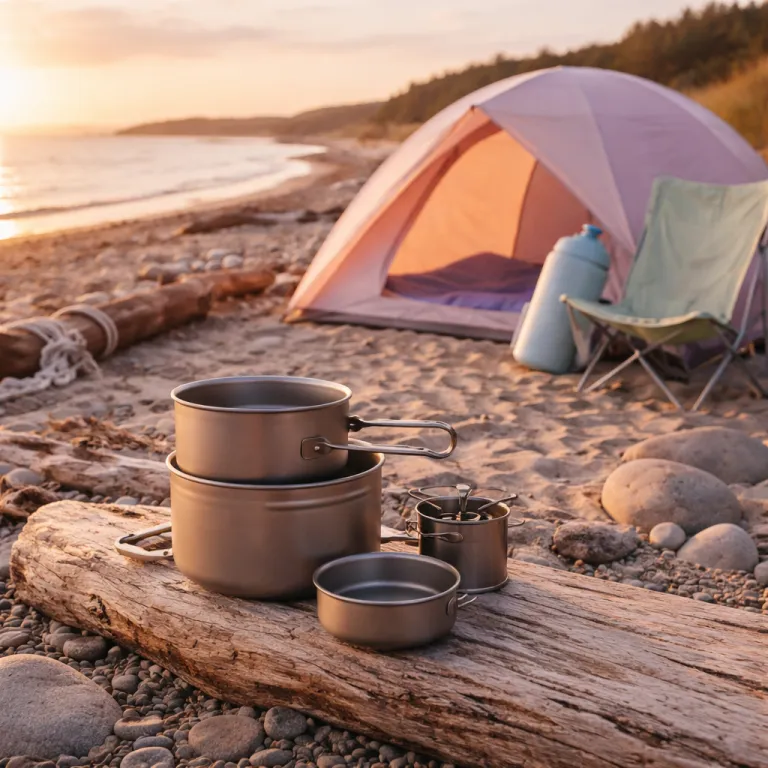
Luxury booking platforms now respond by listing not only the sale price of rental equipment, but also the expected lifespan, repair options and environmental impact metrics where brands provide them. Some properties note that a titanium cookset or recycled aluminum pot set can last for hundreds of meals with minimal wear, while recycled plastic tableware is reserved for low impact communal kitchens. Smart technology appears in the form of solar powered lanterns, app connected stoves and smart outdoor sensors that monitor energy use rather than entertainment systems that distract from the night sky. When you compare properties, look for those that bundle high performance eco conscious outdoor gear into the nightly rate, because that is where value, comfort and sustainability intersect most convincingly.
Auditing your gear bag before you book
Before you reserve that cliff edge pitch on a premium campsite, it pays to audit the gear you already own. Lay out every piece of outdoor equipment on the floor, from your oldest sleeping pad to the newest smart headlamp, and ask three questions about each item. Does it still perform in cold weather, can it be repaired and does it align with the sustainability standards you now expect from the properties you book?
Start with the big three: tent, sleeping bag and pad, because these dominate both weight and environmental impact in any camping setup. If your tent fabric is not made from recycled materials or recycled fabric, consider whether a future upgrade to a sustainable outdoor model might reduce your footprint without compromising performance. For sleeping systems, look for bio based fills, responsibly sourced foams and designs that balance lightweight construction with enough insulation to keep camping trips comfortable when temperatures drop.
Smaller items add up quietly yet significantly over years of outdoor travel. Replace single use plastic water bottles with durable metal versions, swap disposable cutlery for bamboo utensils and choose outdoor gear bags made from recycled materials whenever you can. When a luxury campsite offers rental or included equipment from Helinox, Sea to Summit or REI Co-op, use that as an opportunity to test high performance low impact products on site before committing to a full price purchase at home. A simple weekend stay can become a live gear trial, helping you decide whether to invest in a titanium cookset, a recycled plastic cookware set or a hybrid kit that balances weight, durability and cost.
How premium booking platforms curate sustainable comfort
The most forward thinking luxury campsite platforms now act as editors of both place and product. They do not just list pitches and cabins, they specify which eco friendly outdoor gear is available on site, which materials shape the structures and how each choice reduces environmental impact from construction to daily operations. For solo explorers, this level of detail turns a simple booking into a curated sustainability experience.
On CampsiteStay style sites, you might filter for properties that feature Helinox ultralight chairs in communal lounges, Sea to Summit sleeping pads in furnished tents and REI Co-op equipment available for rent or sale. Some listings go further, noting that platforms use bamboo for decking, bio based insulation in walls and recycled materials in shower blocks, while smart technology manages lighting and water use discreetly. If you are drawn to elevated perspectives, our guide to treehouse rentals in Oregon for an elevated luxury escape shows how sustainable outdoor design and high performance gear can coexist in dramatic forest settings.
What matters most is transparency, not perfection, and the best platforms understand this. They publish clear information about regular price versus sale price for rental gear, outline repair and recycling schemes and explain how each piece of outdoor gear contributes to lower emissions and better sustainability outcomes. Some now summarize internal lifecycle assessments in simple icons, showing estimated years of service, repairability scores and relative carbon savings compared with conventional equipment. For travelers who care about refined outdoor experiences as much as they care about thread count, this level of honesty is the new definition of luxury.
FAQ
How does sustainable camping gear improve my stay at a luxury campsite?
Sustainable camping gear improves comfort, reduces pack weight and lowers environmental impact without sacrificing performance. Lightweight and ultralight designs make it easier to reach remote premium pitches, while high performance recycled materials keep you warm and dry. On luxury campsites, curated low impact equipment also aligns your personal choices with the property’s wider sustainability strategy.
Which brands should I look for when booking an eco focused campsite?
Helinox, Sea to Summit and REI Co-op are three widely respected names in sustainable outdoor gear. Helinox specializes in ultralight camping furniture that suits premium deck spaces and fire pits. Sea to Summit and REI Co-op offer sleeping pads, sleeping bags and other equipment that balance performance, durability and sustainability for discerning outdoor enthusiasts.
Is sustainable camping gear always more expensive than conventional options?
Sustainable camping gear can carry a higher upfront price because recycled materials and advanced manufacturing often cost more. Over time, however, the durability and repairability of high performance eco conscious products usually deliver better value per night of use. When booking, compare regular price and sale price information with expected lifespan and included rental options at your chosen campsite.
How can I reduce my environmental impact if I am not ready to replace all my gear?
The most effective step is to extend the life of the equipment you already own through repair and careful storage. You can then make targeted upgrades, such as switching to reusable water bottles, bamboo utensils or a more efficient sleeping pad, as items wear out. Choosing campsites that provide sustainable outdoor gear on site also lets you benefit from eco friendly equipment without immediate large purchases.
What should I check on a booking website to confirm a campsite’s sustainability claims?
Look for specific references to recycled materials, bio based components, smart technology for energy and water management and partnerships with recognized outdoor brands. Detailed descriptions of tents, sleeping systems and communal equipment are more reliable than vague green language. Transparent information about waste management, repair programs and environmental impact metrics is a strong indicator that the property takes sustainability seriously.