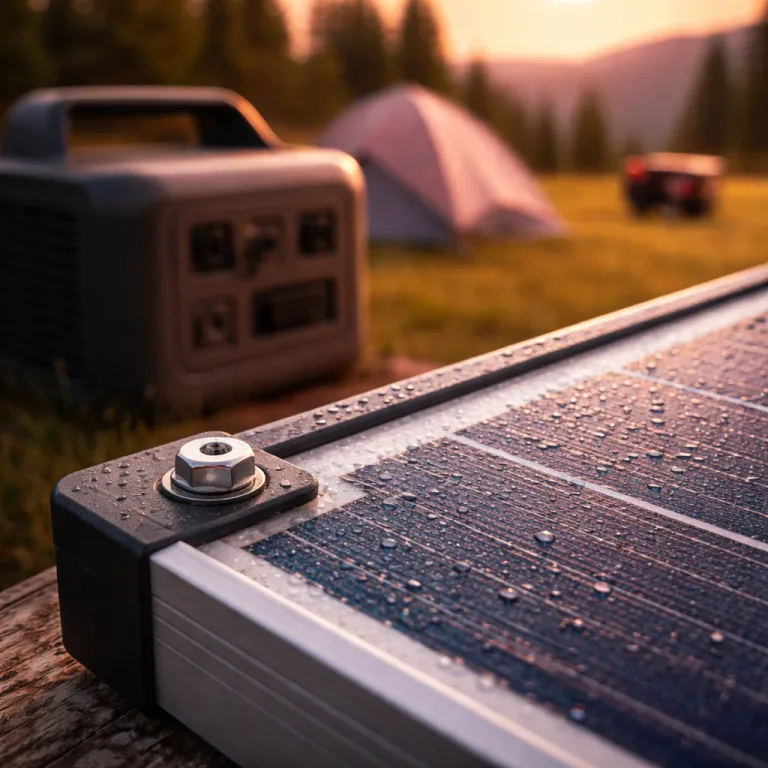
The new quiet: how off grid camping solar power is changing campsite culture
Luxury camping used to mean a thick mattress and a chilled drink. Now off grid camping solar power defines whether a premium pitch feels serene or strained, because the absence of generator noise has become a non negotiable expectation. Across high end grid camping destinations, hosts are quietly rewriting rules to protect the soundscape while still delivering reliable power.
Many upscale campgrounds now enforce twenty four hour quiet hours and ban internal combustion generators. The noise problem is simple ; a single petrol unit can drown out the river, the wind and the low conversation that make camping feel restorative, while a modern solar power station offers the same usable power output with almost no sound. Off grid camping solar power is no longer a fringe experiment but a core amenity, shaping which properties justify a luxury level price and which feel like a car park with tents.
For travellers used to hotel stays, this shift matters when comparing the unit price of a premium campsite pitch with a design forward cabin. A well specified solar kit with a compact power station, folding solar panels and a high quality battery bank now underpins the promise of comfort without noise. The best properties treat solar energy as infrastructure, not an optional extra, and they publish clear data on watt hours, panel efficiency and expected solar input under direct sunlight.
From generators to power stations: the technology behind silent luxury campsites
Portable power stations have reached a point where their capacity, weight and charging speed finally suit discerning campers. A mid range unit with around one thousand watt hours can run a compressor fridge, lighting and device charging for a long weekend, while a larger unit supports induction cooking and even a compact heater in shoulder seasons. The key is matching the watt solar rating of your solar panel array to the energy demands of your preferred camping style.
Brands such as EcoFlow and Renogy now offer complete solar kits that bundle a power station, folding solar panels and a smart charge controller. These solar kits are designed so that even first time camping guests can monitor solar charge, battery percentage and real time output on a simple screen, which makes off grid camping solar power feel as intuitive as plugging into a hotel wall socket. When you compare the price of these kits with several seasons of generator fuel and maintenance, the long term value becomes clear.
Luxury campgrounds are responding by adding dedicated grid solar charging bays where guests can top up their portable power during cloudy spells. At refined lakeside escapes, such as those highlighted in curated guides to elegant cabins on Lake Eufaula, hosts increasingly provide shared solar panels or a communal power station as part of the nightly rate. This infrastructure quietly reinforces the idea that silence, clean energy and premium service belong together at any high end camping property.
Choosing the right solar panels and kits for different luxury camping styles
Not every traveller needs the same solar kit, and the best match depends on how you move. For backpacking, a lightweight solar panel of around one hundred watt with high panel efficiency and a compact battery unit is usually enough for phones, cameras and a small lantern. Car camping and RV stays call for larger solar panels, higher watt solar capacity and a more substantial power station that can handle fridges, fans and perhaps a laptop heavy remote work setup.
For solo explorers booking premium pitches or elevated cabins, a complete solar solution often blends fixed and portable power. Roof mounted solar panels on a campervan or cabin can provide a steady solar input during the day, while a fold out solar panel kit can be angled toward the sun to maximise output in shoulder seasons. Many luxury sites now list recommended solar kits and minimum watt hours on their booking pages, helping guests arrive with the right size of unit for their stay.
Mountain retreats, such as the refined properties featured in guides to Idyllwild cabin rentals for an elegant escape, often experience shifting shade patterns and variable direct sunlight. Here, flexible solar panels and modular kits shine, because guests can reposition panels through the day to chase the sun and maintain steady solar charge. When a campsite invests in clear guidance on solar panel placement and expected energy output, it signals a level of hospitality usually associated with high end hotels.
How premium campgrounds are redesigning infrastructure for the post generator era
As off grid camping solar power becomes standard, the smartest luxury campgrounds are quietly rethinking their infrastructure. Instead of long rows of noisy hook up points, you now see discreet grid solar arrays feeding shaded charging pavilions, where guests can plug in power stations or swap charged battery units. This approach keeps the main camping areas free from cables and hum, while still delivering dependable energy.
Some properties integrate complete solar microgrids that support shared amenities such as spas, saunas and chef led outdoor kitchens. Here, high efficiency solar panels, industrial charge controllers and large format batteries work behind the scenes, so guests simply experience hot water, soft lighting and reliable Wi Fi without hearing a single engine. The average solar panel efficiency for quality camping installations now sits around twenty percent, and typical portable solar panel wattage of one hundred watt per panel makes it easy to scale systems up or down.
For travellers comparing the unit price of a premium pitch with a design forward hotel room, this invisible infrastructure matters. A campsite that invests in robust solar kits, clear signage about solar input and honest communication about power limits builds trust with guests who expect transparency. When you browse curated collections of exceptional luxury camping stays, look for properties that explain their energy strategy in detail, because that is often the best indicator of both environmental commitment and guest comfort.
Calculating your power needs for a refined off grid stay
Planning an elegant off grid escape starts with a realistic energy audit. List every device you intend to use while camping, note its watt rating and estimate how many hours per day you will run it, then multiply to calculate daily watt hours. This simple exercise reveals whether you need a compact power station and one solar panel or a larger complete solar kit with multiple panels and a higher capacity battery.
For example, a small compressor fridge drawing sixty watt for ten hours uses six hundred watt hours, while LED lighting, phones and a camera might add another four hundred watt hours, so a unit with at least one thousand five hundred watt hours offers a comfortable buffer. To recharge that battery fully in one day of good sun, you would pair it with solar panels totalling around three hundred to four hundred watt, assuming average panel efficiency and several hours of direct sunlight. Off grid camping solar power works best when you also manage demand, so consider low watt appliances and switch off idle devices.
Before each trip, follow three simple steps ; assess your energy needs, choose appropriate solar equipment and ensure proper setup and maintenance. Tools such as solar panels, charge controllers, batteries and inverters now come in camping specific formats, making it easier to assemble a complete solar system that feels almost hotel like in reliability. As one expert summary puts it, “What is off-grid camping? Camping without access to grid electricity, relying on alternative power sources.”
FAQ
How does off grid camping solar power actually work at a campsite ?
Off grid camping solar power relies on solar panels converting sunlight into electricity, which then flows through a charge controller into a battery or power station. Guests draw energy from that battery to run fridges, lights and devices, while portable power systems top up again whenever the sun returns. This closed loop reduces reliance on the grid and removes the need for noisy generators.
What size of solar kit do I need for luxury camping comfort ?
For a solo traveller or couple running a small fridge, lights and electronics, a power station with around one thousand to one thousand five hundred watt hours and two hundred to three hundred watt of solar panels is usually sufficient. Larger groups or RVs often step up to two thousand watt hours or more and at least four hundred watt of solar input. Always check the watt rating and daily watt hours of your appliances before choosing a kit.
Are portable solar panels reliable enough for year round premium camping ?
Modern portable solar panels with around twenty percent panel efficiency perform well in most seasons, provided they receive several hours of direct sunlight each day. Reliability improves when you combine multiple panels, a quality charge controller and a generous battery capacity to buffer cloudy periods. Many luxury campgrounds now design their infrastructure around these systems, which shows how dependable they have become.
What are the main benefits of using solar power instead of a generator ?
Solar power systems operate almost silently, which protects the calm atmosphere that guests expect from high end camping stays. They also reduce local air pollution, cut fuel costs over time and require less maintenance than combustion generators. For many travellers, the ability to hear the forest instead of an engine is the decisive upgrade.
How should I maintain my solar panels and power station during a trip ?
Keep solar panels clean and angled toward the sun, check all cable connections daily and avoid shading from trees or gear. For the power station, store it out of direct heat, respect the recommended depth of discharge and use only compatible chargers and solar kits. Simple habits like these preserve battery health and ensure consistent output throughout your stay.