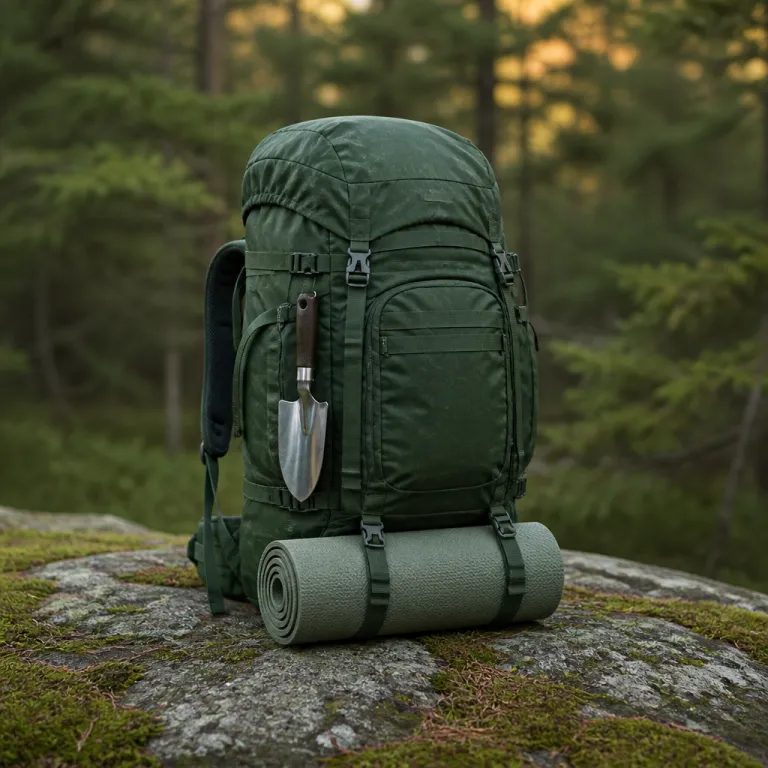
What dispersed camping really means when you stop paying campground prices
Dispersed camping on public land is the quiet counterpoint to $80 private RV parks. When you choose to camp on Bureau of Land Management (BLM) land or in a national forest outside developed campgrounds, you are stepping away from hookups, picnic tables and reservation systems, and stepping into a self-contained camp that relies entirely on what you bring and how well you understand the local rules. For travelers used to hotel-style amenities, this form of camping feels both liberating and demanding, because the comforts you leave behind are replaced by responsibility for every liter of water, every ember of fire and every trace you might leave on the land.
Across the United States, dispersed camping generally means camping outside developed campgrounds on public lands managed by the BLM and the U.S. Forest Service. These public lands include vast BLM areas in the desert Southwest, cool state forest enclaves in the Midwest and rugged national forests in the Rockies, where you can camp for free but must follow specific camping regulations that differ from those in national parks. The core principle is simple yet strict: in many areas you may camp in legal dispersed zones on public land for up to 14 days within a 28-day period, then you must leave and move to a new camp at least several miles away to prevent long-term occupation of a single site. Always confirm the exact stay limits with the relevant field office, because some districts shorten or extend this window and publish those exceptions on their own camping rules pages.
That 14-day limit is not a suggestion but a formal rule in many BLM field offices and national forest units, enforced by rangers who manage these landscapes for both recreation and conservation. In numerous national forest districts, vehicles may only leave the road and travel up to 150 feet (about 45 meters) off designated routes to reach a dispersed camp, which keeps fragile soils and vegetation from turning into informal parking lots. When you book a premium campsite through a curated platform, you are paying partly for someone else to interpret these dispersed camping regulations for you, but when you camp on your own, you must read the local orders, understand current fire restrictions and know exactly where public land ends and private property begins by checking Motor Vehicle Use Maps and BLM surface management maps.
BLM, national forest and state forest: who manages what, and why it matters
Luxury-minded campers often assume that all public lands operate under one simple set of camping rules. In reality, dispersed camping policies sit inside a patchwork of agencies, where a state forest, a national forest and a BLM district may share a boundary yet apply different rules to the same stretch of road or river corridor. If you want your free camp to be both legal and serene, you need to understand who manages the land beneath your tent and how their regulations shape where you can camp, where you can light a fire and how close you may sleep to water sources.
The Bureau of Land Management oversees immense tracts of public land in the western United States, often called BLM land, where camping is usually allowed almost anywhere outside signed closures, provided you respect posted stay limits and seasonal fire restrictions. The U.S. Forest Service manages national forests and national grasslands, plus some state forests through cooperative agreements, and here dispersed camping is also generally free but more tightly structured, with designated corridors along certain roads and explicit setbacks from streams, lakes and other water sources to protect riparian habitats. State forests and state parks add another layer, because some state forests allow primitive camping with a simple permit while others confine overnight stays to numbered sites, so a quick check of the relevant state website or ranger station is essential before you leave the pavement, especially in places like Pennsylvania state forests or Michigan’s state forest campgrounds.
National parks sit in a different category again, with most park units prohibiting roadside dispersed camping and directing visitors to book formal campgrounds that now use dynamic pricing similar to hotel revenue management. That means a national park campsite might cost $15 to $32 per night, while nearby private parks charge $50 to $120, yet a legal primitive camp on adjacent national forest or BLM land often remains free if you follow the rules and leave no trace. For travelers who value quiet over hookups, learning to read a Motor Vehicle Use Map (MVUM) and cross-referencing it with tools like iOverlander or this guide on how to pick a quiet campsite when every listing promises a peaceful setting from CampsiteStay can unlock a network of hidden, legal sites just beyond the park boundary, such as along forest roads outside Rocky Mountain National Park or near Utah’s Dixie National Forest.
How to find legal dispersed sites without turning your trip into guesswork
Finding a legal dispersed camp is less about luck and more about reading the landscape through the lens of public land management. Before you leave the last town, download the relevant Motor Vehicle Use Maps from the Forest Service or BLM district office, because these official maps show exactly which roads allow roadside camping and where off-road travel is prohibited to protect sensitive areas. Pair those agency maps with crowd-sourced tools such as Campendium and iOverlander, and you can usually find a quiet pullout or forest spur that meets both the letter and the spirit of current camping regulations.
On BLM land, look for previously used clearings with compacted soil and existing fire rings, because choosing established areas for camping reduces your impact on fragile desert crusts and alpine meadows. In national forests and state forests, seek small clearings at least 200 feet (about 60 meters) from lakes, streams and other water sources, which aligns with a common guideline to camp away from water to protect banks and wildlife corridors. Many Forest Service districts sign popular dispersed corridors with small camping symbols, but you should still confirm that the pullout you choose is on public land rather than private inholdings, using GPS apps that overlay land ownership boundaries and checking against the Forest Service MVUM or BLM recreation pages for that specific ranger district.
Premium booking platforms increasingly curate legal, wild-feeling sites on both BLM land and national forest land, offering pre-vetted coordinates, clear camping rules and sometimes extras like composting toilets or fire pans to help manage human waste and fire risk. A good example is the elevated camping in Uwharrie National Forest featured in the Art Lilley campground review on CampsiteStay, where the experience feels close to dispersed camping yet sits within a managed framework that protects the surrounding forests. Whether you book such semi-wild stays or navigate entirely on your own, the goal is the same: find a legal site on public lands where your presence is almost invisible by the time you leave.
The non negotiable rules: distance, fire, human waste and leaving no trace
Once you have found a dispersed camp, the real work begins, because staying legal and ethical hinges on how you treat the land, the water and the fire you might light. Most BLM field offices and Forest Service districts apply some version of a 14-day limit for camping in one general area, after which you must leave and relocate several miles away to prevent informal long-term settlements on public land. They also typically recommend that you camp at least 200 feet (around 60 meters) from water, keep your vehicle within about 150 feet (roughly 45 meters) of the road where off-route travel is allowed, and use existing sites rather than creating new clearings in undisturbed forests or desert crust. Local orders can be stricter, so always check posted notices or agency websites before you set up, and look for district-specific camping regulations that spell out stay limits, distance rules and seasonal closures.
Fire management is where dispersed camping rules become very specific, especially during dry seasons when fire restrictions escalate quickly from allowing campfires in fire pans to banning all open flames. If fires are allowed, use an existing ring or a raised fire pan, keep the fire small and never leave it unattended, then drown, stir and feel the ashes until they are cold before you sleep or leave the camp. When restrictions prohibit open fires, switch to a gas stove with a shutoff valve and treat it with the same respect you would give a hotel room sprinkler system, because one careless ember on BLM land or in a national forest can threaten entire state forests and nearby communities, and fire orders are published on each unit’s official alerts page.
Human waste is the other non-negotiable element, because dispersed camping means there are no toilets, no dump stations and no staff to clean up after you. In many national forests and on some BLM lands, you are required to pack out all human waste using portable toilet systems or waste bags, especially in high-use areas or fragile desert environments where decomposition is slow. Where burying is still allowed, dig a cathole at least 6 to 8 inches (15 to 20 centimeters) deep and 200 feet (about 60 meters) from any water sources, roads or camps, then pack out all toilet paper and hygiene products so that you truly leave no trace when you finally drive away, following the Leave No Trace guidelines referenced on most agency camping information pages.
Luxury in the wild: gear, water and comfort when there are no facilities
For travelers used to premium hotels, the idea of free camping on public lands can feel like a downgrade until you reframe luxury as comfort, safety and silence rather than thread count. The gear list for responsible dispersed camping is short but uncompromising, starting with a reliable shelter, a warm sleep system and a way to carry and treat enough water for drinking, cooking and washing. Because there are no taps, no showers and no camp hosts, your camp becomes a self-contained suite where every liter of water and every watt of battery power has to be planned in advance.
Water management is the first serious upgrade, and most experienced dispersed campers carry both ample containers and a filtration system to draw from natural water sources when legal and safe. Aim to arrive with at least 1 to 1.5 gallons (about 4 to 6 liters) of water per person per day, then supplement from streams or lakes only where the Forest Service or BLM does not prohibit collection, always staying at least 200 feet back from the bank when you wash dishes or yourself. A gravity filter or pump, combined with a collapsible bucket, turns a nearby creek into a discreet spa, while keeping soap and gray water well away from the shoreline to protect aquatic life and comply with the water-quality guidance many ranger districts publish.
Comfort in dispersed areas also comes from smart furniture and lighting rather than excess gear, so think of a stable table, supportive chairs and warm, indirect light that makes your camp feel like a private lounge under the trees. A portable toilet or wag bag system, a compact fire pan and a well-organized kitchen box elevate camping on BLM land or in national forests from roughing it to refined, while still respecting all camping rules on public lands. If you prefer a halfway house between wild and serviced, curated platforms like CampsiteStay list premium camps on public land edges, and their guide to spring camping in Utah’s canyon country from Moab to the Grand Circle shows how a carefully chosen camp near national parks can feel indulgent even when the stay itself is free.
Hidden gem regions for dispersed camping on public land in the United States
Some of the most rewarding dispersed camping in the United States hides in plain sight, just beyond the entrance signs of crowded national parks and private campgrounds. In Utah and Arizona, BLM land stretches for miles along access roads to icons like Zion, Bryce and the Grand Canyon, where legal dispersed areas offer free camps with canyon views that rival any resort terrace, provided you follow local camping rules and current fire restrictions. These public lands often allow camping in signed corridors where the Forest Service or BLM has already identified durable surfaces, so you can park, camp and leave the next morning with almost no trace of your stay.
Farther north, national forests in Colorado, Wyoming and Montana hold a lattice of forest roads where dispersed camping is both legal and carefully managed through seasonal closures and Motor Vehicle Use Maps. Here, the best hidden gems are often a few miles beyond the first obvious pullouts, where a small spur road leads to a clearing above a river bend or a meadow edge with a view of distant peaks, all while keeping your camp at least 200 feet from water and within the typical 150-foot vehicle limit off the road where that standard applies. In the East, state forests in Pennsylvania, Michigan and Maine quietly allow primitive camping in designated zones, offering a softer, greener alternative to the open BLM landscapes of the West and listing those zones on their own state forest camping pages.
For luxury-leaning travelers, the sweet spot lies where free dispersed camping intersects with easy access to small towns, trailheads and even the occasional high-end lodge for a mid-trip shower and dinner. Regions like Oregon’s high desert, New Mexico’s national forests and the less trafficked corners of California’s Sierra Nevada all offer this blend, with public land that allows camping near but not inside the busiest national parks. When you plan with agency maps, local ranger advice and a clear understanding of regional regulations, these hidden areas become your private network of open-air suites scattered across the public estate of the United States.
Key figures and regulations for dispersed camping on public land
- Maximum stay limits on many BLM and national forest lands are set at 14 days within a 28-day period, a rule designed to prevent de facto long-term residency on public land and to keep sites available for more travelers. Some districts vary from this standard, so always verify the limit for your specific area using the camping regulations posted by that BLM field office or national forest.
- Forest Service guidelines commonly restrict vehicles to traveling no more than about 150 feet (roughly 45 meters) off designated roads to reach dispersed camps, which helps protect soils, vegetation and informal parking sprawl in high-use areas. The exact distance is shown on each unit’s Motor Vehicle Use Map and in local travel management orders.
- National park campground fees typically range from about $15 to $32 per night, while private RV parks often charge between $50 and $120 per night, making legal dispersed camping on nearby BLM or national forest land a genuinely free alternative when you follow all rules and confirm any permit requirements in advance.
- Dispersed camping is generally free on BLM and national forest lands, but some state forests and specific high-demand areas may require low-cost permits, so checking local regulations before you camp remains essential. State forest websites and ranger contacts usually list whether primitive camping is allowed without a reservation.
- Growing popularity of dispersed camping has led agencies to emphasize Leave No Trace ethics and to support the development of apps that help visitors locate legal dispersed areas without overloading a few fragile sites. Many Forest Service and BLM recreation pages now link directly to MVUM downloads, fire restriction notices and human-waste policies so you can verify current rules.
FAQ: dispersed camping on BLM and national forest land
Is dispersed camping really free on BLM and national forest land ?
Yes, dispersed camping is generally free on BLM and national forest lands, as long as you choose legal public land areas and comply with local camping rules, stay limits and fire restrictions. You may still need to pay for permits in certain high-demand corridors or for access roads managed by other agencies, so always confirm details with the relevant field office or ranger station before you camp by checking their official camping information pages.
Do I need a permit for dispersed camping on public lands ?
Most BLM districts and national forests in the United States do not require a permit for standard dispersed camping, but there are important exceptions in heavily visited regions and sensitive ecosystems. Always check the website or contact the local BLM office, Forest Service ranger station or state forest authority to confirm whether a free registration, a paid permit or seasonal closure applies to your chosen area, and ask where those rules are documented so you can review them yourself.
Are there any facilities like toilets or water at dispersed camps ?
No, dispersed camping by definition lacks amenities such as toilets, potable water taps, trash bins or picnic tables, which is why you must arrive fully self-sufficient. Bring enough water for your stay, a reliable method to treat natural water sources if allowed, and a plan for managing human waste, either through portable toilets or approved cathole techniques where packing out is not yet mandatory and where local guidance still permits burial.
How can I tell if I am on legal public land rather than private property ?
The most reliable method is to combine official Motor Vehicle Use Maps or BLM surface management maps with GPS apps that display land ownership boundaries. Look for signs at the roadside indicating entry into national forest, BLM land, state forest or national parks, and when in doubt, ask at the nearest ranger station, because camping on private land without permission is illegal even if it looks wild and undeveloped, and agency staff can point you to the correct map resources.
What are the most important Leave No Trace practices for dispersed camping ?
The essentials are to camp on existing durable sites, keep your camp at least 200 feet from water, pack out all trash and food waste, manage fires carefully or avoid them entirely under restrictions, and handle human waste in line with local requirements. By following these principles, you align your behavior with agency guidance and help keep public lands open for free, low-impact camping in the future, reinforcing the Leave No Trace messaging that BLM, the Forest Service and many state forests now highlight in their dispersed camping guidance.