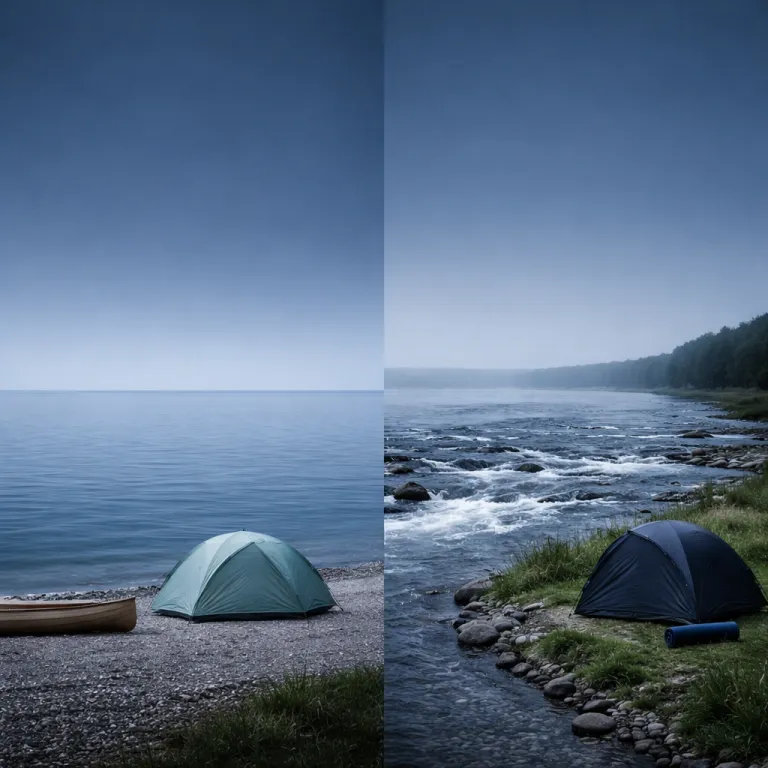
Still water, moving water: setting the stage for a premium stay
Water is the quiet architect of any high end camping experience, and nowhere is that clearer than when you compare lakefront and riverside sites side by side. A thoughtful comparison between lakeside and riverbank camping starts with atmosphere, because still water and moving water shape everything from your first impression to your last sleep. For travelers used to booking a design forward hotel, the right waterfront camping site can feel like an open air suite where the shoreline replaces the lobby.
On a lake, the surface often lies glassy at dawn, and a lakefront campground located in a sheltered area will feel almost like a private park with its own horizon. The calm lake reflects mountain silhouettes, pavilions, and even simple picnic shelter structures, turning basic facilities into part of the scenery rather than visual noise. By contrast, a riverside campground trades that mirror like lake for a living river that pulls your eye downstream and makes even a compact recreation area feel connected to a wider landscape.
Luxury focused campgrounds understand that this difference in water character justifies a price premium, and booking platform data consistently backs it up. Aggregated nightly rates from large U.S. reservation sites, summarized in Outdoor Industry Association briefings, indicate that waterfront campsites often command a substantial markup over non waterfront sites, with oceanfront pitches in popular regions sometimes rivaling urban hotels. When you run your own lakefront versus riverside search on a booking platform, you are really weighing whether you want the meditative stillness of lakes and broad rivers at rest or the kinetic energy of a channel that never quite sleeps.
Design and layout respond directly to this choice, especially at higher end campgrounds that court the same family and solo explorer market as premium hotels. Lakefront sites tend to be wider, with tent sites and cabin rentals oriented front row to the lake, often with generous spacing for picnic tables and a pavilion or picnic shelter set back just enough to preserve the view. Riverside sites, especially in a narrow valley or national forest corridor, may be more linear, with each site hugging the bank so that every camper, from kids to adults, hears the same river song at night.
People on the ground shape the experience as much as the water itself. Campers are the participants who bring tents, RVs, and expectations, while Park Rangers act as supervisors who balance safety, conservation, and guest comfort in every campground located near sensitive lakes, rivers, or a fast moving river. Their presence is especially visible in national forest and state park properties, where regulations about tent camping distance from the water, pet friendly rules, and fire use protect both the ecosystem and the premium feel that discerning guests now expect.
Soundscape, sleep, and the subtle luxury of the right pitch
Atmosphere is not just what you see across the water, it is what you hear when the lantern clicks off, and this is where any serious comparison between lakefront and riverside camping becomes deeply personal. On a lake, nights can fall almost silent, with only the occasional splash from water activities winding down or a distant paddle returning to shore. For light sleepers used to hotel grade insulation, that quiet can feel like a rare luxury, especially when a family friendly campground enforces calm hours as rigorously as a good city property manages lobby noise.
Riverside camping rewrites that script with sound that never stops, and a riverside campground on a strong current can generate a constant white noise that masks neighboring conversations and even the rustle of kids settling into sleeping bags. Some solo travelers find this river roar more restful than silence, while others feel it as a low level intensity that keeps the nervous system slightly alert. When you browse riverside sites on a premium platform, look for descriptions that specify the type of river section, because a broad, slow river in a national recreation area sounds very different from a steep, boulder strewn reach in a mountain gorge.
Design details amplify or soften these soundscapes, and luxury oriented campgrounds lean into that. Lakefront tent sites might be staggered so that each site has a direct lake view but sits far enough from the waterline to reduce noise from shared water activities like late swims or paddle boarding. On riverside sites, smart operators sometimes place a pavilion or picnic shelter between the main campground loop and the river, using the structure and surrounding trees as a sound baffle while still keeping the river visually and physically accessible.
Sleep quality also depends on how the ground itself has been prepared, and this is where a campsite can justify charging resort prices for what is technically just a patch of grass. A well graded lakefront site with level tent pads, thoughtfully placed picnic tables, and clear paths to shared facilities feels closer to a minimalist hotel room than a rough backcountry pitch. Along a river, erosion and fluctuating water levels can make tent camping surfaces uneven, so look for campgrounds that invest in raised tent platforms or gravel pads, especially in national forest or state park settings where heavy rain is common.
For travelers comparing options across continents, it helps to see how these principles play out in different landscapes, from Nordic fjords to volcanic coasts. A refined guide to a dramatic coastal campground, such as a detailed review of camping on Iceland’s south coast in an Iceland riverside and waterfront camping guide, shows how sound, wind, and water proximity can matter as much as star ratings. Whether you are pitching near a glacial river or a tranquil lake, the same questions about noise, spacing, and design should guide your booking choices.
Activities, safety, and how water shapes your days
Once the tent is up and the cabin rentals are checked in, water activities quickly define whether a waterfront camping stay feels indulgent or frustrating. Any comparison between lakefront and riverside sites must therefore look closely at what each type of water body allows you to do safely and comfortably. Common guidance for campers puts it plainly, stating that lakefront camping offers calm waters and stable conditions, while riverside camping provides flowing water and strong potential for fishing.
On lakes, the calm surface favors swimming, paddle boarding, and relaxed kayaking, which suits families with kids and travelers who want hotel like ease in a natural setting. Fishing from a lakefront campground located on a broad bay can be as simple as walking from your tent sites to the shoreline, coffee in hand, without worrying about strong currents. Many premium lake campgrounds in a state park or national recreation area now add small marinas, rental docks, and even design led pavilions that function as social hubs for sunrise yoga or evening tastings.
Riverside camping, by contrast, is about movement and direction, and that changes both the risk profile and the reward. A riverside campground on a gentle meandering river invites long upstream paddles followed by effortless drifts back to your site, while steeper sections attract rafting and whitewater kayaking that feel more like adventure travel than a lazy weekend. Practical camping advice reinforces this, noting that fishing, kayaking, and rafting are common in riverside camping, and that lakefront camping is generally safer due to stable water levels, while riverside camping may have risks like flooding.
Safety is where Park Rangers and campground hosts earn their authority, especially in national forest corridors where water levels can rise quickly after distant storms. Before you book, check whether the campground provides clear guidance on river conditions, designated swimming areas, and whether kids and pets are allowed near the water without barriers. Luxury in this context is not about marble bathrooms, it is about knowing that the tent camping area, the picnic shelter, and the waterfront access points have been planned with the same care a good hotel applies to fire exits and balcony railings.
Some campgrounds elevate the experience further by integrating land based recreation that pairs well with water, such as horseback riding trails that loop from the main park entrance down to lakes and rivers viewpoints. A mountain backed lakefront site might offer guided rides at golden hour, while a riverside sites cluster could connect to a long distance riverside path ideal for solo explorers who want to walk out from their tent and not see a car all day. For design minded travelers, properties that weave these elements together, like the artful canyon escapes described in an A frame lodge guide for Sedona lodging and recreation, provide a useful benchmark for what thoughtful outdoor hospitality can look like.
Seasonality, crowds, and the hidden economics of water proximity
Water changes not only how a campsite feels, but when it feels at its best, and a serious comparison between lakefront and riverside camping has to factor in seasonality. Lakes tend to warm slowly and hold temperature, which makes them attractive for swimming and boating well into late season, while rivers respond quickly to rain and snowmelt, swinging from gentle to dangerous in a matter of days. For travelers booking through a luxury oriented platform, this means that the same waterfront camping site can feel like a serene retreat one month and a crowded festival ground the next.
In many temperate regions, lakefront campgrounds hit their peak in high summer, when families arrive in waves and every picnic tables cluster becomes a base camp for inflatables and barbecues. A family friendly park on a large lake may run close to capacity, especially where cabin rentals, tent sites, and RV loops all share the same shoreline, so privacy becomes a premium within the premium. By contrast, some riverside sites in a national forest or remote recreation area stay relatively quiet outside of rafting weekends, making them a hidden gem for solo explorers who can travel midweek.
Year round operation adds another layer, especially for campgrounds located in milder climates where winter never fully closes the season. A lakefront site with good drainage and wind protection can feel almost hotel like in the shoulder months, when the water is too cold for swimming but perfect for contemplative walks and photography. Riverside camping in the off season can be more variable, with water levels and bank stability dictating whether tent camping near the river is even allowed, so always check local regulations and Park Ranger advisories before committing.
Economically, water proximity is one of the biggest price drivers in campsite pricing, and the differences can be stark. Waterfront campsites often cost noticeably more per night than comparable inland pitches, and oceanfront sites in heavily visited regions can reach nightly rates that echo boutique hotels. For many travelers who might otherwise book a design hotel, that premium feels justified when the campground delivers on layout, privacy, and access, but it can feel punitive when you end up squeezed between noisy neighbors with only a sliver of lake or river in sight.
To avoid that mismatch, use booking platforms that show detailed maps of individual sites, not just generic photos of the best corner of the park. When you study the map, check whether your chosen site actually fronts the lake or river, or whether it sits behind a row of true waterfront pitches that will always command the best views and breezes. Articles such as a curated list of new openings at new campsites worth booking before word gets out can help you identify properties where the water premium still buys genuine quality rather than just a marketing line.
Design, families, and choosing between lake and river for your style
For travelers who usually filter hotel searches by design and ambiance, the most useful comparison between lakefront and riverside camping is not about which is objectively better, but which aligns with how you like to live outdoors. Lakefront campgrounds often lean into a resort like layout, with a central pavilion, clear zoning between quiet and active areas, and a mix of cabin rentals and tent sites that echo the room categories of a hotel. Riverside campgrounds, especially in narrow valleys or national forest corridors, tend to feel more linear and intimate, with each site strung like beads along the riverbank.
Families with kids often gravitate to lakes, where designated swimming areas, gentle shorelines, and visible boundaries make supervision easier, especially in a family friendly state park. Pet owners, on the other hand, may prefer a pet friendly riverside campground where long riverside trails allow for extended walks without constant water access, reducing the risk of unsupervised plunges into deep sections. In both cases, check whether the campground is explicitly pet friendly and family friendly, because policies on pets, quiet hours, and shared facilities vary widely even within the same national area.
Solo explorers and couples who value quiet may find more satisfaction in shoulder season stays, when both lakefront and riverside sites shed their busiest crowds. A small campground located on a lesser known lake can be a true hidden gem outside school holidays, offering the kind of contemplative mornings and long, empty shorelines that no city hotel can match. Along rivers, look for sections where the current is audible but not overwhelming, so that the soundscape supports reflection rather than adrenaline.
Practical design touches matter more than glossy photos, and they are easy to overlook when scrolling through options. Note how many picnic tables serve each site, whether there is a covered picnic shelter for sudden rain, and how far you must walk from your tent camping area to reach water taps and restrooms. In premium properties, these details are treated with the same care as a hotel would give to corridor lighting and lobby flow, and they make the difference between a roughing it weekend and a refined outdoor stay.
When you review a campground map before booking, run through a quick checklist: confirm that your pitch truly faces the lake or river, check the distance to restrooms and showers, locate play areas or boat launches that might generate noise, and note any elevation changes between your tent and the shoreline. Ultimately, the choice between lake and river comes down to how you want water to frame your days and nights. Lakes offer stillness, broad horizons, and a sense of enclosure that suits slow mornings and long swims, while rivers bring movement, narrative, and the feeling that the world continues beyond your bend in the bank.
FAQ
What is the difference between lakefront and riverside camping?
General camping guidance defines it clearly, explaining that lakefront camping offers calm waters and stable conditions, while riverside camping provides flowing water and strong potential for fishing. In practice, this means lakes usually feel more predictable and resort like, while rivers feel more dynamic and adventure oriented. Your choice should reflect whether you prefer still horizons or the constant motion and sound of a river.
Which is safer for families with kids, lakefront or riverside sites?
The same type of reference material notes that lakefront camping is generally safer due to stable water levels, while riverside camping may have risks like flooding. For families, this usually translates into easier supervision and clearer boundaries at lakes, especially in a family friendly state park with marked swimming zones. Riverside campgrounds can be perfectly safe when well managed, but parents need to pay closer attention to currents, bank stability, and sudden changes in water level.
How do water activities differ between lakes and rivers?
According to widely shared camping advice, swimming, boating, and fishing are common in lakefront camping, while fishing, kayaking, and rafting are common in riverside camping. Lakes favor relaxed, low risk water activities that suit a wide range of ages and abilities, from casual swims to paddle boarding. Rivers support more directional experiences, from long downstream paddles to whitewater runs, which can be thrilling but require more skill and safety awareness.
How does water access differ between lakefront and riverside campsites?
Typical campground descriptions address this directly by noting that lakefront sites offer direct access to calm waters, while riverside sites provide access to flowing waters. On a lakefront site, you often step from your tent or cabin straight onto a gentle shoreline suitable for swimming and launching small craft. On a riverside site, access points may be more concentrated at specific put ins or beaches, especially where currents or steep banks make the rest of the shoreline unsuitable for casual entry.
What basic preparation should I do before booking a waterfront campsite?
Reference material for campers emphasizes three simple but crucial steps that apply to both lakefront and riverside stays. It advises you to check weather forecasts, pack appropriate gear, and follow local regulations, all of which become even more important when water is involved. For premium waterfront camping, add a review of site maps, safety information, and Park Ranger notices so that your chosen pitch matches both your expectations and your experience level.
Sources
Outdoor Industry Association ; National Park Service ; U.S. Forest Service