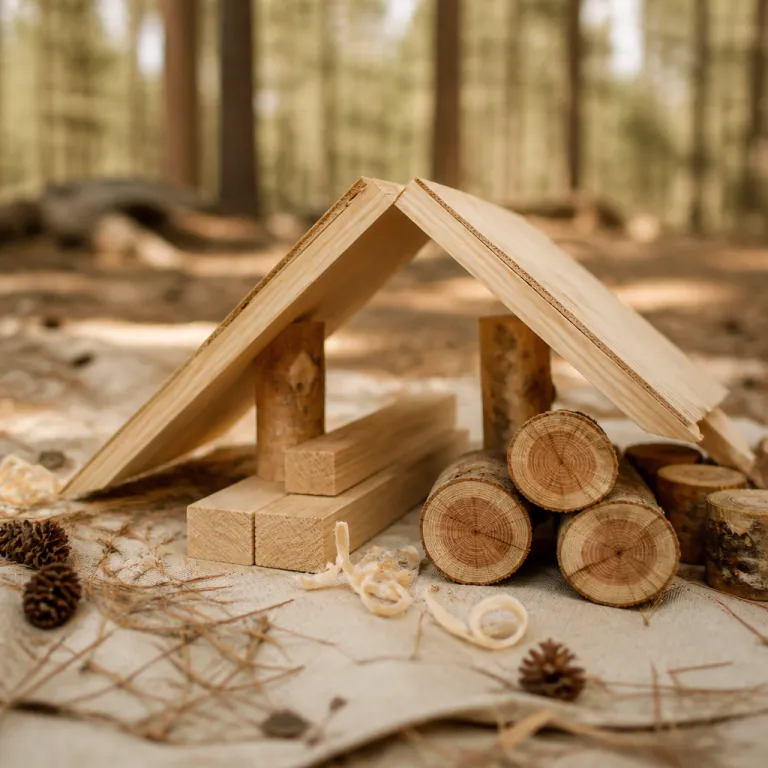
The forest campsite old growth canopy experience as natural architecture
Luxury camping begins with the forest itself, not the amenities. A true stay beneath an old growth canopy feels designed by natural architects, where towering trees and layered branches shape every movement and view. When couples choose premium campgrounds in forests, they are really choosing a kind of open air architecture defined by trunks, filtered light and shifting shadow.
Old growth forests in the United States work like grand halls, with pines and Douglas fir rising 150 to 250 feet (around 45 to 75 metres) and creating cathedral ceilings that no human structure can match. In these ancient stands, the best pitches sit between trunks rather than beside parking bays, and the camping experience becomes about how the tree columns frame the sky and the nearby river or creek. Campground operators who understand this treat every tree as a structural element, not an obstacle to be cleared for more vehicle pads.
In the Pacific Northwest, Washington offers some of the most refined examples of this forest architecture. Within Olympic National Forest and the adjacent Olympic National Park, old growth trees form layered canopies where summer brings long golden evenings filtered through moss and ferns. Specific loops such as the Hoh campground or Graves Creek show how sites tucked among massive trunks feel like private rooms. Here, a forest campsite under mature canopy means hearing the river before you see it, and feeling the temperature drop a few degrees as you step from open recreation area into deep shade.
Across North America, from West Virginia hardwood forests to the mixed conifers of the Mount Baker Snoqualmie National Forest, the same principle holds. The most memorable campgrounds use existing growth trees to create rooms, corridors and quiet alcoves for each campsite. For couples used to hotel corridors, this spatial clarity feels familiar yet far more alive, because the walls are living trees and the ceiling is a shifting canopy of forests breathing above you.
Why shaded, tree enclosed sites feel more luxurious than open meadows
Ask frequent camping couples to name their best stays, and they rarely mention the newest shower block. They talk about nights in deeply shaded sites where pines and hardwood trees wrapped the campground in cool air, and where the sound of a nearby creek or river replaced traffic noise. Old growth forests create a sense of privacy and calm that even high end glamping tents cannot fake on an exposed field.
There is a simple reason shaded campgrounds feel more premium than open meadows. Dense growth trees filter light into soft, dappled patterns, which flatters both the landscape and the canvas of your tent, while the canopy absorbs sound so neighbouring family groups feel further away than they are. Even in popular national park or state park settings, a well treed campground can feel like a hidden retreat, especially when operators have resisted the temptation to over clear for extra vehicle access.
Luxury focused travelers also value temperature control, and here the forest does the work of an invisible air conditioning system. In peak summer, when heat waves roll across much of North America, shaded sites in national forest locations can feel several degrees cooler than nearby open recreation area campgrounds. Simple checks like comparing forecast highs with recent visitor reviews mentioning shade can help you choose a cooler site. For couples planning quiet long weekends away from crowds, this is where carefully chosen forest density beats any extra amenity block, and where guides to quieter holiday camping alternatives become as valuable as hotel comparison tools.
From Washington to West Virginia, the most sought after pitches share a similar profile. They sit under mature trees, often near a river or creek but not directly on a flood prone bank, and they balance enough canopy for shade with just enough opening for a slice of sky. In these places, an old growth style canopy experience feels both intimate and expansive, and the price premium over a basic camping field suddenly makes sense.
Designing with trees: how premium campgrounds curate canopy
High end campground design now treats each tree as a piece of infrastructure, not background scenery. Owners who aim to deliver a true forest canopy experience walk their land with arborists, mapping growth patterns, root systems and canopy spread before they ever mark a pitch. The goal is to let ancient forests remain the main attraction while still creating safe, comfortable places for camping couples to sleep.
In Washington, for example, some of the most thoughtful campgrounds near Snoqualmie National Forest and the broader Mount Baker Snoqualmie region use selective clearing rather than wholesale logging. They remove only hazardous growth trees, keep the healthiest Douglas fir and pines, and then angle tent pads so that each site feels like its own room within the forest. The result is a series of semi enclosed spaces where you can hear a nearby river but not the conversation from the next campsite.
Across the United States, the best operators work closely with the Forest Service or state park managers to balance safety, conservation and guest comfort. They follow Leave No Trace principles during construction, limit soil compaction around roots, and design access paths that weave between trees instead of cutting straight lines. For couples camping alone or trying solo trips, guides to selecting quiet, well designed forest sites can be as reassuring as any hotel review.
Luxury focused travelers should look for a few design cues when booking. Check satellite images for real canopy coverage by switching to imagery view and estimating how much of each loop is shaded by tree crowns, read reviews that mention shade and privacy, and note whether the campground layout follows the natural curves of the forest or imposes a rigid grid. Where the layout respects the existing trees, the forest campsite canopy experience usually feels intentional, calm and quietly romantic rather than crowded and chaotic.
Canopy, sound and light: how different forests shape your stay
Not all forests create the same camping experience, even when the facilities look similar on paper. A night under Pacific Northwest Douglas fir feels very different from a stay beneath West Virginia hardwoods or a grove of Rocky Mountain aspens. Understanding these variations helps couples choose the right campground for their style of travel.
In the Pacific Northwest, Washington offers dense conifer forests where towering growth trees and thick moss create a hushed, almost cinematic atmosphere. Olympic National Forest and nearby Olympic National Park are classic examples, with ancient pines and Douglas fir forming high, continuous ceilings that mute sound and hold cool air. Here, the forest acts like a sound studio, softening the noise of nearby campgrounds so even busy recreation area sites can feel surprisingly private.
Move east to West Virginia, and the character shifts to mixed hardwood forests with more open, dappled canopies. These forests let in more light, which suits couples who want a brighter morning but still value shade during summer, and the varied tree species create a richer palette of autumn colour. In both regions, rivers and creeks thread through the landscape, and choosing between a lakefront or riverside pitch becomes a design decision in itself, as explored in depth in this guide to how water changes a campsite.
Farther south and west across North America, from live oak corridors near San Francisco to high elevation aspens in the Rockies, canopy structure again reshapes the mood. Live oaks with sweeping branches create low, intimate ceilings over campgrounds, while aspens offer lighter, flickering shade and clearer night skies for stargazing. In every case, the sense of an old growth canopy depends on how trees filter light, frame views of the river or mountains, and hold or release the sounds of other campers.
Balancing sacred shade, stargazing and Leave No Trace luxury
The most refined forest campsite old growth canopy experience balances deep shade with glimpses of sky. Too much canopy, and you lose the pleasure of watching stars rise above the trees; too little, and the campground feels exposed, hot and ordinary. Natural clearings, especially near a river bend or on a low ridge, often provide the best compromise for couples who want both romance and comfort.
Premium operators in national forest and state park settings increasingly treat these clearings as signature sites. They keep a ring of ancient trees around each opening, allowing pines and Douglas fir to frame the view while leaving the centre open for tents and campfires where permitted. This layout preserves the cathedral feeling of old growth forests while giving you a direct line of sight to the Milky Way, a rare luxury in many parts of the United States.
For travelers, the final layer of luxury comes from how gently they move through these forests. Respect natural surroundings and follow Leave No Trace principles, because the very qualities that make these campgrounds feel sacred are fragile. As one conservation guide puts it, “What defines an old-growth forest? Forests with ancient, undisturbed ecosystems.” and “How do pine canopies affect campsite ambiance? They create serene, cathedral-like environments.”
On a practical level, that means choosing minimal impact camping gear, staying on established paths, and treating every tree as part of the architecture you came to enjoy. In Washington, San Francisco’s coastal forests and across North America, forest service teams and local communities work together so that ancient growth trees can keep shaping these spaces for centuries. When you book thoughtfully and tread lightly, your own camping experience becomes part of that long story, adding one quiet night beneath a living ceiling of trees to the shared memory of the forest.
FAQ
What defines an old growth forest campsite for luxury minded travelers ?
An old growth forest campsite sits within a forest that has developed over long periods with minimal disturbance, allowing trees to reach great age and size. For luxury focused campers, the key markers are towering trunks, complex canopy layers and a sense of intact ecosystem rather than recently logged regrowth. These sites often feel naturally designed, with pitches tucked between trees instead of lined up on a cleared field.
How do pine canopies change the ambiance of a campground ?
Pine canopies create tall, vaulted spaces that resemble open air cathedrals, especially when the trees are centuries old. The needles absorb sound, so even busy campgrounds can feel quieter and more secluded under dense pines or Douglas fir. Light filters through in narrow beams, which adds drama to simple activities like cooking or reading by the tent.
Are shaded forest sites always better than open meadow campsites ?
Shaded forest sites usually feel cooler, quieter and more private, which many couples interpret as more luxurious. Open meadows can be better for stargazing and for families who want wide spaces for children to play, but they often lack the acoustic and visual enclosure that forests provide. The best choice depends on whether you prioritise sky views or the immersive calm of trees and filtered light.
How can I respect Leave No Trace principles in old growth campgrounds ?
In old growth forests, Leave No Trace principles start with staying on established paths and using designated tent pads to protect roots and understory plants. Pack out all waste, keep fires in approved rings only where allowed, and avoid tying gear directly to trees, which can damage bark. Choosing smaller, low impact equipment and keeping noise down also helps preserve the sacred, quiet feeling other campers seek.
Which regions in the United States offer the most impressive old growth canopy experiences ?
In the United States, standout regions include Washington’s Olympic National Forest and Mount Baker Snoqualmie National Forest, where Douglas fir and other conifers form towering canopies. Parts of West Virginia and the broader Appalachian range offer rich hardwood forests with varied seasonal colour and dappled light. Coastal forests near San Francisco and select pockets across North America also provide memorable combinations of river, creek or ocean views framed by ancient trees.