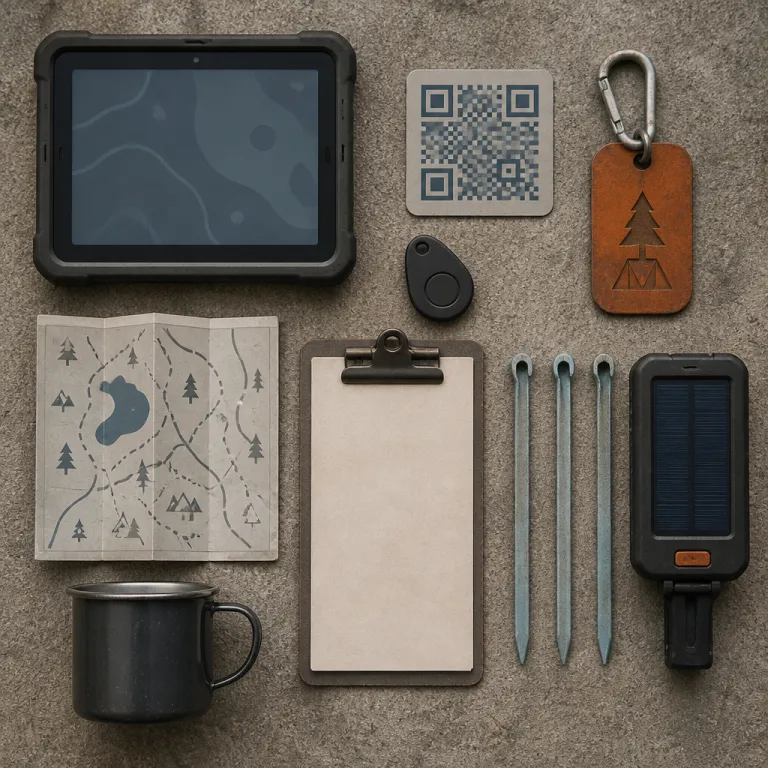
From ranger desk to screen tap: what keyless campground arrival really means
Luxury minded campers now expect a campground digital check-in self-service experience that feels as polished as a five star hotel app. At many premium campground and park camping destinations across the United States, the traditional ranger station check has quietly shifted to QR codes, mobile links and sleek service kiosks that handle everything from reservation validation to vehicle permits in real time. This new check process promises less waiting at arrival and more immediate access to the lake, the trail or the golf cart path that actually brought you here.
At its core, digital self-service at a campground means that guests complete most steps before they even see the campsite gate. You receive pre arrival emails or texts with arrival instructions, a map of the park, your assigned site number and often a link for an online check that confirms vehicle details, payment and signatures on digital waivers that follow Leave No Trace principles. When you reach the state park entrance or private park camping resort, automated gate systems read your plate or QR code, log your arrival departure time in real time and open without a word exchanged.
For business leisure travelers extending a work trip, this campground check model feels familiar because it mirrors hotel mobile keys and online booking flows. You check online on your phone between meetings, then drive straight to your national park or state park campsite after the last call, skipping any line at the camp store or ranger hut. The experience is not just about speed ; it is about control, letting guests decide whether they want a fully contactless arrival or a quick stop at the camp store for local food, firewood and a human welcome before heading to their site.
How premium platforms orchestrate digital arrival across parks, states and sites
Luxury and premium booking websites for campsites now act as the control tower for this campground digital check-in self-service ecosystem. On a single interface, you can browse national park adjacent camping, lakeside sites inside state parks and high service private parks that feel closer to a design forward lodge than a rustic field. The same profile carries your reservation history, vehicle details and preferred arrival time, so each new campground check feels lighter and more intuitive.
When you secure a reservation through online booking, the platform typically pushes your data to the campground’s self-service software and automated gate systems. That is where the check process becomes seamless ; your pre arrival package may include a QR code for the barrier, GPS pins for the exact site, and links to digital guidebooks that rival the concierge notes at refined mountain cabins such as the elegant Duck Creek cabins in Utah. For multi park itineraries that combine a national forest campground, a state park lake shore and a private park camping resort, the same account can manage staggered arrival departure windows and different access rules without forcing you to re enter the same information.
Behind the scenes, campground owners partner with technology providers, software developers and campground associations to align systems across parks and states. A single traveler might check online for a national forest campsite one week and a coastal state park the next, yet the digital arrival instructions, payment flows and service kiosks feel consistent. That consistency matters for high expectation guests who are used to hotel chains ; they want the freedom of camping with the predictability of a well run park, whether the site sits under redwoods, beside a desert lake or on the edge of a quiet national park meadow.
What digital self-service looks like on the ground, from kiosks to golf carts
Walk into a modern campground entrance after dark and the glow you see is no longer just from the camp store porch. Many premium parks now position service kiosks at the gate, where guests can complete a campground digital check-in self-service flow in minutes using a touch screen, card reader and QR scanner. These kiosks confirm your reservation, print a vehicle tag, share arrival instructions and sometimes even issue a temporary code for gate access or shower blocks.
For those who prefer to handle everything on a phone, mobile friendly online check links arrive by email or SMS as part of the pre arrival communication. You can check online while still in the city, pay any remaining balance, sign digital waivers that reference Leave No Trace principles and select optional extras such as a golf cart rental or a late departure time. By the moment you reach the park camping entrance, the system already knows your vehicle plate, your site number and whether you plan to visit the camp store for local food and supplies or head straight to the lake.
Luxury oriented properties extend this automation deeper into the campground itself, sometimes pairing digital maps with on demand golf cart shuttles that you summon from your phone. At some national forest and state park concessionaire sites, a ranger or host still does a quick visual check as you pass, but the paperwork has vanished into the background. If you have ever arrived at an elegant Idyllwild cabin rental with a key code instead of a key, you already understand how liberating it feels to roll up late, park quietly and slip into your reserved space without waking the entire campground.
The staffing crunch behind the shift to keyless campground check-in
The move toward campground digital check-in self-service is not just a tech trend ; it is a staffing survival strategy. Across national parks, state parks and private campground networks, owners report that seasonal worker shortages make it impossible to keep ranger stations and camp store counters fully staffed from early morning to late night. When a single employee must handle arrivals, phone calls, maintenance requests and food deliveries, guests feel the strain through long lines and inconsistent service.
Digital self-service tools relieve that pressure by moving routine tasks into online systems that run continuously. A well designed online booking engine, paired with automated gate access and service kiosks, can handle hundreds of check ins and check outs per day with minimal staff intervention, especially when guests complete pre arrival steps such as online check and digital waiver signing. Industry data now shows that campgrounds adding online booking and self-service check-in often see a 15 to 25 percent increase in reservations within the first year, because guests appreciate the ability to check online at any time and secure a site without waiting for office hours.
For luxury leaning travelers, the benefit is twofold ; they gain a smoother arrival process and more attentive human interactions when they actually seek them. Freed from constant check process duties, staff can roam the park, offer tailored arrival instructions, share local national forest trail tips or recommend the best time to reach the lake for sunrise. The risk, of course, is that some owners lean too heavily on automation and let the human layer thin out, turning what should feel like a curated park camping experience into something closer to an unattended parking lot with tents.
Privacy, data and Leave No Trace in a keyless camping era
Every campground digital check-in self-service system runs on data, and discerning guests are right to ask what happens to it. When you complete an online check or use service kiosks at a national park gateway, you share names, vehicle plates, payment details and sometimes even the exact arrival departure time for each night of your stay. Those data points help parks manage capacity, protect national forest ecosystems and enforce Leave No Trace principles, but they also create a digital trail that must be handled with care.
Responsible campground owners now treat data stewardship as seriously as trail maintenance, often guided by clear privacy policies and third party audits. Systems that integrate with platforms such as Recreation.gov for federal park camping or with state park reservation portals typically follow strict federal or state data standards, limiting who can access personal information and for how long. Guests should still check each campground’s privacy statement before they check online, especially when a site uses automated gate cameras or real time tracking of golf cart rentals and vehicle movements around the lake or through sensitive wildlife corridors.
There is also a cultural dimension to this data rich camping model, particularly for travelers who come to national parks and state parks seeking disconnection. Some guests welcome digital guidebooks, push notifications and real time alerts about food trucks at the camp store or sudden weather shifts over the lake. Others prefer to complete the minimum online booking and check process, then silence their phones and focus on the Leave No Trace ethic that underpins responsible outdoor travel, an ethic explored in depth in our guide to how campgrounds are reinventing environmental stewardship.
Where campgrounds lag behind hotels, and where they leap ahead
Hotel veterans walking into a campground digital check-in self-service setup will recognize the broad strokes but also notice the gaps. Many parks still rely on patchy mobile coverage, which can make an online check or QR based gate access frustrating at the exact moment of arrival. Some state parks and national park concessionaires use older service kiosks with dated interfaces, so guests accustomed to slick hotel apps may find the check process clunky and slow.
Yet in several ways, campgrounds are leapfrogging hotels by designing systems around the realities of outdoor travel rather than around corridors and elevators. A well executed campground check flow accounts for late night arrivals after long drives, oversized vehicles, trailers, multiple guests per site and the need to route traffic efficiently through narrow park roads without disturbing wildlife. Because many national forest and state park campgrounds sit far from towns, their digital platforms often integrate camp store inventories, food pre orders and activity bookings directly into the online booking journey, so guests can secure firewood, breakfast kits or guided lake paddles at the same time as their site.
Industry research now indicates that around 70 percent of campgrounds in the United States offer some form of digital check-in, whether through mobile apps, online portals or kiosks. As one expert summary puts it, “A system allowing campers to check in using digital kiosks, mobile apps, or online portals without staff assistance” is rapidly becoming the norm rather than the exception. For business leisure travelers who expect a personalized, seamless arc from reservation to departure, the winning properties will be those that blend this efficient, keyless infrastructure with a human presence that still knows which national park overlook is empty at sunrise and which quiet corner of the campground will let the night sky feel like it belongs only to you.
Key figures shaping the rise of keyless campground check-in
- Approximately 70 percent of campgrounds in the United States now offer some form of digital check-in, according to a recent hospitality study, showing how quickly campground digital check-in self-service has moved from experiment to expectation.
- Campgrounds that add online booking and self-service tools typically report a 15 to 25 percent increase in reservations within the first year, reflecting how guests respond to the ability to check online and secure a site at any time of day.
- Industry surveys show that travelers increasingly expect a seamless digital journey from reservation to departure, with self-service check-in, automated gate access and digital guidebooks now considered standard features at premium properties.
- Operational data from campground owners indicate that shifting routine check process tasks to kiosks and mobile flows can significantly reduce front desk staffing needs, freeing teams to focus on higher value guest interactions around the park.
FAQ about campground digital self-service check-in
What is digital self-service check-in at campgrounds ?
Digital self-service check-in at campgrounds is a system that lets guests complete arrival formalities through mobile apps, online portals or kiosks instead of at a staffed ranger station. As the expert dataset defines it, “A system allowing campers to check in using digital kiosks, mobile apps, or online portals without staff assistance.” This approach streamlines the check process, reduces queues and supports flexible arrival times for busy travelers.
How does digital check-in improve the camping experience ?
Digital check-in improves the camping experience by reducing wait times at the entrance and allowing guests to head straight to their reserved site. When campers complete pre arrival steps such as online check, payment and digital waivers, staff can focus on personalized guidance rather than paperwork. This combination of efficiency and tailored advice is especially valuable in large national parks, state parks and high end private campgrounds.
Are all campgrounds adopting digital check-in systems ?
Not every campground has adopted digital self-service yet, but adoption is rising quickly across the United States. Many national park concessionaires, state park systems and private owners now offer at least partial digital options, such as online booking or automated gate access. Remote national forest sites and very small independent parks may still rely on traditional in person check-in, especially where connectivity is limited.
What should I do before arriving at a campground with digital self-service ?
Before arriving, guests should review the campground’s confirmation email and complete any online check steps requested. It is wise to charge mobile devices, download maps for offline use and read the arrival instructions carefully, especially for national park or state park locations with complex access rules. Travelers should also familiarize themselves with any Leave No Trace principles highlighted in the digital materials, since many parks now integrate these guidelines directly into the check process.
How do digital systems handle changes to my reservation or late arrivals ?
Most modern platforms allow guests to modify reservations, update arrival times or request late check in directly through their online booking account. When plans change on the road, you can usually check online again to confirm the new arrival departure window and receive updated gate codes or site assignments in real time. If connectivity fails, premium campgrounds often maintain a backup plan at service kiosks or the camp store, where staff can verify your reservation using your name and vehicle details.