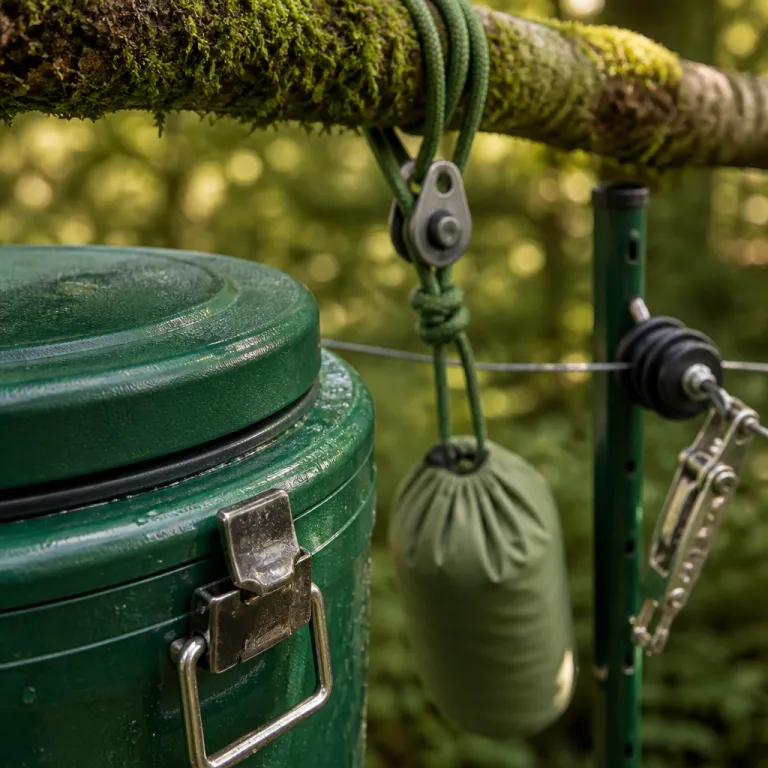
Why luxury campers need to master bear food storage
High end campsites in bear country feel serene, but the food you bring can quietly rewrite the script overnight. When you book a premium tented suite or a glass front cabin, the single most important safety skill is understanding how a bear food storage camping canister hang line system works and when it is non negotiable. Luxury means crisp linens and curated décor, yet in wild areas it also means disciplined food storage that protects both humans and bears.
On CampsiteStay style properties near a national park, staff will often brief you on where to place every food bag, every scented items pouch and even your minimalist stuff sack for toiletries. That briefing is not a formality; it is the frontline between your human food and highly intelligent black bears or grizzlies that have learned to associate tents with easy calories. When a bear learns to raid a bear bag or unsecured sack, the response from rangers is usually relocation or euthanasia, which is why responsible food storage is an ethical obligation, not just a packing detail.
For solo explorers booking premium yurts or safari style tents, the question is not whether a bear canister or hang line will clash with the design aesthetic. The real question is how seamlessly the property integrates a hard sided bear canister, a clearly marked hanging bear line or even a compact electric fence into the guest experience so that safety feels intuitive rather than technical. When you evaluate a luxury campsite listing, read beyond the thread count and look for explicit references to bear resistant food storage, distance rules and clear guidance for nearby trails.
Bear canisters at premium camps: the hard sided standard
Among all systems, the bear canister remains the gold standard for independent travelers who want predictable safety in varied terrain. A modern hard sided bear canister is a rigid container that prevents bears from crushing, biting or prying their way to your food, and National Park Service field reports suggest a bear canister effectiveness rate of roughly 90–95% when used correctly (see NPS bear management summaries for Yosemite and Sequoia–Kings Canyon). On a luxury oriented booking platform, you should expect properties in regulated areas to state clearly whether bear canisters are provided, rented on site or required in your own kit.
Weight and cost matter, even when you are paying for premium comfort before and after the trail. A BV500 style canister weighs around 1.1 kilograms (about 2.5 pounds) and typically costs close to 80 dollars, while a soft sided Ursack model can weigh roughly 220 grams (about 7.8 ounces) yet costs around 100 dollars because of its specialized bear resistant fabric. Many high end backcountry lodges along the John Muir Trail or in the Glacier Bay region now keep fleets of canisters in different sizes, allowing guests to choose between compact food storage for solo trips and larger volumes for multi day gourmet menus.
When browsing a national park adjacent glamping site, look for language such as “bear resistant canister provided at each platform tent” rather than vague promises about safe storage. Some properties still rely only on communal lockers, but a locked bear canister at your own tent offers a more reliable barrier than a shared box that other guests might leave unlatched. If a listing near a backcountry access point does not mention any bear canister or Ursack style sack policy, send a direct message before booking and ask how they secure both guest food and staff food in bear country.
Are bear canisters required in all national parks? No, but many parks mandate their use in specific backcountry zones, especially where bears have previously obtained human food.
Do electric fences work against all bear species? Research from Alaska, the Greater Yellowstone Ecosystem and western Canada indicates that well designed, properly grounded portable fences deter black, brown and polar bears at very high rates, but no system is 100% effective in every situation.
Hang lines, pct method, and why most campers get them wrong
Hanging systems appeal to minimalist travelers who prefer a lighter pack and a more traditional rhythm at camp. The classic approach is to hang food in a bear bag from a tree using a rope and a reliable knot, yet United States Forest Service field observations have documented a hang line failure rate on the order of 15–20%, often due to poor technique or unsuitable trees (summarized in USFS backcountry food storage guidance). On a luxury campsite booking page, any promise to “hang food for you” should be backed by clear method descriptions, not just rustic charm.
The PCT method, named after the Pacific Crest Trail, is a refined way to suspend a food bag high above the ground and away from the trunk using a single line, a carabiner and a stick as a toggle. Done correctly, this pct method keeps the sack at least 3 to 4 metres above the ground and about 1.2 metres from the tree trunk, which makes it harder for black bears or so called mini bears like raccoons and martens to reach your supplies. Done poorly, with a low hang or a weak branch, it simply trains bears to associate a hanging bear silhouette with an easy meal.
When a high end campsite advertises guided backcountry overnights, ask whether staff will demonstrate how to tie clove hitches and other knots before you leave the trailhead. A well executed clove hitch on the anchor tree and a correctly tensioned line can mean the difference between a safe night and a shredded stuff sack raining human food onto the forest floor. For design focused properties that lean into whimsical themes, such as creatively minded retreats similar in spirit to luxury campsite stays for creatively minded travelers, the real luxury is when the artful bear bag pulley system works flawlessly, not just when it photographs well.
Electric fence perimeters and the rise of tech forward camps
Portable electric fences have moved from research camps into the toolkit of serious outfitters and some luxury properties in high risk bear areas. A typical fence kit weighs around 900 grams to 1 kilogram (close to 2 pounds), costs more than 200 dollars and creates a low, pulsing barrier around your tent, kitchen and food storage zone. Wildlife studies from Alaska and the Rocky Mountains report electric fence deterrence rates in the 95–99% range for bears investigating camps and food caches (see Alaska Department of Fish and Game and Interagency Grizzly Bear Committee summaries), which explains why some remote lodges in Alaska and Glacier Bay now ring their premium canvas suites with nearly invisible wires after dark.
For the solo explorer booking a high end platform tent near a backcountry trail, the appeal of an electric perimeter is obvious. You can sleep under cathedral like pines or a star filled sky while your bear canister, Ursack sack and extra food bag sit inside a charged grid that delivers a sharp but non lethal shock to curious bears. The best properties treat this not as a gimmick but as part of a layered system that still respects distance rules, scent control and the need to keep all scented items out of sleeping areas.
When comparing listings, pay attention to how a campsite describes its fence protocol and whether staff will teach you how to arm and disarm the system safely. A thoughtful host will explain that electric fences do not replace a bear resistant canister or a well hung bear bag; they simply add another line of defense around your hard sided storage and cooking zone. If a property leans heavily on mood pieces like fire pits and string lights, as explored in guides to building atmosphere at your campsite, make sure the same care is given to the invisible architecture of safety that keeps bears on their natural diet.
Regulations, distance rules, and what luxury listings rarely explain
Regulations around bear food storage vary sharply between one national park and another, and even between different zones within the same park. Some backcountry permit systems in the United States now specify exactly where a bear canister is mandatory, where a properly executed hang line is acceptable and where electric fences are recommended for horse supported groups. A sophisticated booking platform should surface these nuances directly on each campsite page, rather than leaving guests to decode fine print after arrival.
In many regulated areas, rangers expect campers to follow the classic 60 metre triangle rule, keeping the tent, kitchen and food storage each about 200 feet apart. That means your bear bag tree or your stash of canisters should sit well away from both your sleeping platform and the fire ring where you cook, even at a luxury camp with manicured paths and curated seating. Cooking right beside a canvas suite and then tucking the food bag under the bed is the fastest way to turn a premium stay into a dangerous wildlife encounter.
Bear boxes at developed campgrounds can be helpful, but they are not always equal to a locked bear canister or Ursack when misused. Some boxes rely on simple latches that mini bears such as raccoons can manipulate, while others are left ajar by hurried neighbors who forget that every piece of human food and all scented items must be inside. When you read a listing that promises “secure storage,” ask whether the boxes are truly bear resistant, whether staff monitor compliance and whether extra canisters or sacks are available for guests heading onto adjacent trails.
From décor to discipline: integrating safety into luxury camp design
The most memorable luxury campsites treat safety infrastructure as part of the design language rather than an afterthought. A row of matte black canisters tucked beneath a cedar bench, a sculptural pulley system for the bear bag tree line and a discreet electric fence post that doubles as a lantern stand can all coexist with high thread count linens and curated textiles. When you browse inspiration galleries for unique camp décor, look for spaces where the bear food storage camping canister hang line system feels as intentional as the lighting.
Thoughtful hosts also choreograph how guests move through the site, guiding them from tent to kitchen to storage with subtle cues. Gravel paths might lead from sleeping areas to a central cooking pavilion, while a separate spur trail points toward the designated hanging bear tree or the cluster of canisters and Ursack sacks behind a screen of timber. Articles on how an old growth canopy transforms a campsite, such as pieces about cathedral ceilings made of pine, remind us that the forest itself can frame these safety zones in a way that feels almost ceremonial.
Inside the tent or cabin, the décor should gently reinforce the rules without breaking the mood. A leather bound welcome book that explains why all food, toiletries and other scented items belong in the bear canister or on the hang line by dusk can be more effective than a laminated warning. For solo travelers who prize autonomy, the real luxury is clear information that respects their competence, paired with gear that makes it easy to hang food correctly or lock a hard sided container without wrestling with awkward latches.
Practical booking checklist for solo explorers in bear country
Before you reserve that forest facing tent or cliff edge platform, read the listing through the lens of a wildlife safety audit. Does the property specify whether a bear canister, Ursack or other bear resistant sack is included in the nightly rate, and does it explain how many litres of food storage each option provides? If the answer is vague, send a concise message asking exactly how they handle human food, staff meals and waste in bear country.
Next, examine how the campsite handles hang systems and training. A premium property that expects guests to use a pct method hang line should provide appropriate trees, sturdy ropes, clear diagrams and perhaps a short on site demonstration of how to tie clove hitches and manage the line without damaging bark. If the terrain lacks suitable trees, the host should offer alternative methods such as hard sided canisters or a compact electric fence around a centralized storage area.
Finally, consider how the camp’s layout and culture support long term coexistence with bears. Are there clear rules about cooking only in designated areas, storing every food bag and stuff sack in approved containers and keeping at least 60 metres between tent, kitchen and storage zones? When a listing near Glacier Bay or another iconic national park speaks candidly about these practices, it signals a mature relationship with the landscape and a commitment to protecting both bears and guests for seasons to come.
Key figures on bear food storage systems
- Bear resistant canisters have been measured at roughly 90–95% effectiveness in preventing bears from accessing human food when used correctly, according to data shared in National Park Service bear management reports.
- Traditional hang line systems show an estimated 15–20% failure rate in field observations by the United States Forest Service, largely due to poor technique, low branches or unsuitable trees.
- Portable electric fence systems used around camps and food storage areas have demonstrated about a 95–99% deterrence rate in wildlife research, making them a powerful complement to canisters in high risk zones.
- A typical hard sided bear canister such as a BV500 weighs about 1.1 kilograms and costs around 80 dollars, while a fabric based Ursack weighs roughly 220 grams but can cost close to 100 dollars because of its specialized materials.
- Many North American land managers recommend a 60 metre separation between tent, cooking area and food storage, creating a safety triangle that reduces the chance of a bear entering the sleeping zone after following food odours.
FAQ: bear food storage for luxury and premium campsites
Are bear canisters always better than hang lines for luxury campers ?
Bear canisters offer more consistent protection because they do not depend on finding the right tree or executing a perfect knot, which is why many regulated backcountry areas now require them. Hang lines using the pct method can work well when trees and skills align, but the documented failure rate makes them less reliable for guests who are new to backcountry travel. For luxury oriented stays, the ideal setup is often a provided canister, with hang systems used only where regulations and conditions allow.
How should I evaluate a campsite’s bear safety before booking ?
Read the listing for explicit mentions of bear resistant storage such as canisters, Ursack sacks, secure lockers or electric fences, and check whether the property explains local national park or forest regulations. Look for clear rules about keeping all food and scented items out of sleeping areas, as well as guidance on distance between tents, kitchens and storage. If details are missing, send a direct message asking how they protect both guests and bears on site.
Do electric fences remove the need for proper food storage ?
Electric fences are a powerful deterrent but they are not a substitute for good food storage discipline. You should still place all human food, trash and toiletries in a bear canister, Ursack or properly hung bear bag inside the fenced perimeter. Think of the fence as an extra layer that helps keep curious bears from reaching your gear, not as the only line of defense.
What are the most common food storage mistakes at upscale camps ?
Frequent errors include leaving snacks or scented items in tents, relying on decorative but poorly rigged hanging systems and assuming that any metal box is automatically bear resistant. Guests sometimes cook right beside their sleeping area, then store the food bag under the bed or in a car, which can attract bears to the heart of the camp. A well run luxury campsite will address these habits during check in and provide gear that makes correct storage easy.
How far should my food be from my tent in bear country ?
Many land managers recommend placing your food storage 60 metres, or about 200 feet, from your tent and a similar distance from your cooking area, forming a wide triangle. If you are using a hang line, the bag should be at least 3 to 4 metres above the ground and about 1.2 metres from the tree trunk to reduce access for bears. Luxury properties operating in bear country should help guests visualize and maintain these distances through site design and clear signage.