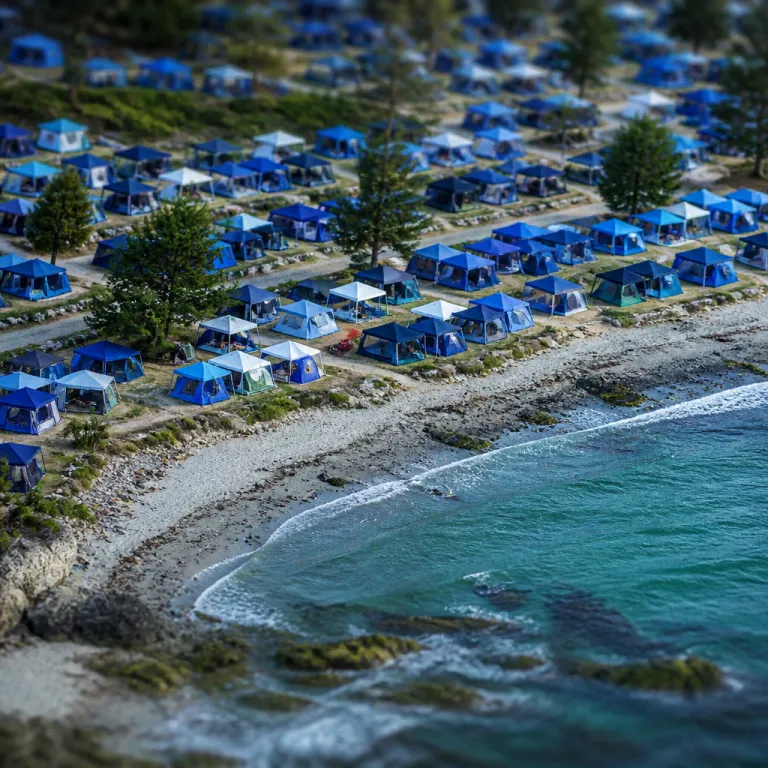
The demand curve: when peak summer pressure really hits
Across the United States, the eight weeks from early July to late August turn every desirable camping park into a high demand arena. Internal National Park Service planning documents and seasonal reports often cite midsummer campground occupancy in the 80–90 % range, and that level of pressure should shape how your peak season camping strategy informs every decision. Recent participation surveys from the Outdoor Industry Association also note that many campers now report difficulty securing a summer trip, so the families who thrive are the ones who treat reservations like scarce tickets rather than casual options.
The true peak of peak summer usually runs from around 1 July through roughly 21 July, then again in the first week of August when many state parks feel close to capacity. That is when campground pricing behaves like hotel revenue management, with some coastal or lakefront state park sites climbing 30 to 50 % above shoulder season rates for the same patch of ground. This is the moment when a curated high end campsite booking platform stops being a nice to have and becomes the only realistic planning tool that will help you filter which parks genuinely justify those premiums.
Think of your family trip as a limited time camp window, then work backwards from the dates you cannot move. For that core period, the best time to secure a high quality camping experience is usually six months out on federal systems such as Recreation.gov and at least four months on many private parks that now mirror hotel style booking rules. Participation data from agencies and industry groups points to a clear rise in camping permits and overnight stays over the last few seasons, and that extra volume of summer demand means that even overflow areas in national forest land can feel busy during the height of the season.
Luxury focused families should use this peak season playbook to map demand tiers across regions rather than chasing a single famous park. A coastal California state park near San Diego or Big Sur will feel very different from a high elevation camp in the Rockies, even during the same week of the season. When every state is busy, the great outdoors still offers quieter corners, but only if you are willing to trade a headline name park for a lesser known state parks network where campers enjoy more space and a calmer rhythm. For instance, families who skip Yosemite Valley in favour of Calaveras Big Trees State Park, or choose Colorado’s Mueller State Park instead of Rocky Mountain National Park campgrounds, often find cooler temperatures, shorter lines and a more relaxed pace.
Reservation strategy: mastering booking windows and systems
On a luxury oriented campsite reservation site, the families who secure the best sites in peak summer share one habit; they treat each reservation system as its own game. For national parks and many marquee state parks, the most reliable booking window is six months ahead, often at 07:00 local time, because popular riverfront or shaded tent pads vanish in minutes. The guidance that you should reserve campsites months in advance is not theoretical; it reflects how quickly high quality, shade rich sites disappear once the calendar opens on platforms such as Recreation.gov, ReserveCalifornia and state specific portals.
To make that six month rule concrete, imagine you want a family camping trip starting Saturday, 20 July. On most federal systems, the booking window opens exactly six months earlier, around 20 January, at 07:00 in the park’s time zone. Your timeline then looks like this: in early December, shortlist two or three target parks; by New Year, create user accounts and save preferred loops; one week before 20 January, set alerts and confirm payment details; on opening morning, log in ten minutes early, refresh at 06:59, and book your first choice site within the first few minutes. If that fails, immediately grab a backup date or nearby campground while availability still exists.
For private parks and high end glamping style camp options, a three month window is often realistic, especially if you can shift your camping trip to start on a Sunday or Monday. A two week window still works for some national forest campgrounds and for overflow areas, but only if you are flexible on exact park and are willing to accept a less private camping experience. When you read that the peak camping months are July and August, remember that this also means reservation systems are under maximum strain, and even cancellations are snapped up quickly by families running waitlist alerts or monitoring same day releases.
Use online booking platforms, weather apps and campground specific maps together as a single decision making toolkit that will help you match your dates to the right state park or private site. A refined planning resource such as the detailed trip planning feature on a curated nature escape planner shows how premium filters can narrow options by shade, water access and distance from playgrounds, which matters when the weather runs hot. When you combine that with alerts from your preferred premium campsite booking service, you can react quickly when a cancellation appears at a park that fits your family’s style.
Safety and comfort should sit alongside availability in any midsummer camping plan, especially when parks are full and the heat is intense. The long standing advice to arrive early to secure spots and to prepare for variable weather remains valid, even for reserved sites, because early arrival gives you time to adjust your tent placement and check for hazards. If you are heading into bear country or remote state parks, read incident reports and seasonal advisories in advance, and use resources such as recent analyses of trail closures and bear country risk to understand how wildlife patterns can affect your chosen camping trip dates.
Heat, site selection and gear: staying cool when prices and temperatures rise
By July, the heat reshapes every decision in a peak season camping plan, from which state you choose to how you pitch your tent. Families used to hotel air conditioning often underestimate how much a few degrees of shade or altitude can change the camping experience during the hottest summer months. In many regions, a lakeside or river adjacent camp with afternoon shade becomes the best luxury in the park, more valuable than any on site amenity.
When you scan maps on a high end campground booking portal, look for loops that sit near water but not directly on the busiest beach access points. A site one row back from the shoreline often feels cooler and quieter, especially in California coastal parks where sea breezes and fog can keep evenings comfortable. In mountain state parks, aim for higher elevation loops where the night time temperature drop makes a high quality sleeping bag and moisture wicking base layers feel like a deliberate comfort choice rather than survival gear.
Heat management starts with gear, and any serious camping guide for families should treat this as non negotiable. Choose a tent with generous mesh panels and a fly that can be rolled back for ventilation, then pair it with quick dry bedding and a sleeping bag rated slightly cooler than you expect, because peak summer nights can still surprise you at altitude. A simple reflective tarp rigged above the tent will help keep the interior cooler during the day, while moisture wicking clothing and a well ventilated camp chair turn long afternoons into something campers enjoy rather than endure.
For a quick hot weather packing checklist, focus on: a well ventilated three season tent with full coverage fly; reflective tarp or shade sail plus extra guylines; sleeping bags rated 5 to 10 degrees cooler than forecast lows; moisture wicking base layers, wide brim hats and lightweight long sleeves; high SPF sunscreen and insect repellent; an efficient cooler with block ice, insulated water bottles and at least one extra water container; battery powered fans or hand fans; and a compact first aid kit with electrolyte packets for heat stress.
Luxury leaning families can also blend hotel stays with outdoor nights to create a more forgiving summer rhythm. For example, pairing a few nights under canvas near Sedona with an artful canyon stay such as the A frame style lodgings featured in this guide to elegant A frame lodge stays in Sedona allows you to reset between outdoor segments. That kind of hybrid trip keeps children fresher, makes the great outdoors feel like an adventure rather than an ordeal, and turns your peak season camping approach into a flexible playbook instead of a rigid schedule.
Crowds, costs and smarter alternatives to the busiest weeks
Once you accept that July and August are the busiest season camping months, you can start using timing and layout to reclaim some sanity. Arriving at a park before noon gives you first choice of available overflow or unnumbered sites, and it also lets you orient your tent and shade structures before the heat peaks. In crowded state parks, a site near a bend in the road or at the end of a loop often creates a natural privacy buffer, which matters more than a marginally better view when every neighbour is close.
The financial reality is blunt; many campgrounds now apply hotel style peak premiums, and a family that waits too long to book can pay 30 to 50 % more for the same basic pad. A thoughtful midsummer camping guide for premium travellers should therefore compare the total cost of a week in a high demand park with a mix of shoulder season weekends and a shorter peak summer stay. Sometimes the best time to enjoy a famous park is actually late August or early September, when the crowds thin, the weather softens and your camping gear budget stretches further.
Weekday camping is the quiet luxury move that most families overlook, especially those who can work remotely or shift school holiday dates slightly. A Monday to Thursday camping trip in a popular California state park can feel almost like a private retreat compared with the same loop on a Saturday night, even in the height of summer camping demand. When you combine that with national forest overflow areas or Bureau of Land Management dispersed options, you create a layered camping experience where campers enjoy both serviced comforts and wilder, more spacious nights.
For families who cannot avoid the absolute peak weeks, this is where a luxury focused campsite search engine will help you curate alternatives. Look for lesser known state parks in the same region as a famous national park, then use your planning filters to prioritise shade, water access and distance from main roads over brand name recognition. As one concise set of booking rules puts it, “How far in advance should I book a campsite? At least 4–6 months ahead.” and “How to avoid crowded campsites? Camp on weekdays; choose less popular sites.”; those simple principles, applied with intent, turn a crowded season into a manageable adventure in the great outdoors.
FAQ
How far in advance should I book for July and August camping?
For the busiest summer months, plan on booking national park and marquee state park sites at least four to six months ahead. Private parks and luxury focused campgrounds sometimes release inventory closer in, but premium riverfront or shaded tent sites still vanish quickly. Treat your peak season camping plans as a calendar driven project, not a last minute decision.
What are the true peak weeks for family camping trips?
The most intense demand usually falls between early July and roughly the third week of that month, then again in the first week of August. During this period, many parks report occupancy levels around or above 80 %, and even overflow areas can feel busy. If you have flexibility, shifting your camping trip into late August or the shoulder season around early September often delivers a calmer camping experience.
How can my family avoid feeling crowded at popular parks?
Start by targeting weekday arrivals, ideally Monday or Tuesday, and avoid Friday check ins whenever possible. Choose campsites at the end of loops, near bends in the road or slightly away from restrooms to create natural privacy buffers. When your summer camping plan includes lesser known state parks and national forest campgrounds, you gain more space without sacrificing access to the great outdoors.
What gear matters most for hot weather summer camping?
Prioritise a well ventilated tent, moisture wicking clothing and a sleeping bag rated for slightly cooler nights than you expect. Quick dry fabrics for towels, base layers and camp clothing will help keep everyone comfortable when temperatures swing between hot days and cooler evenings. A reflective tarp or shade sail above the tent, plus a reliable cooler and plenty of water storage, turns a basic camp into a more luxurious and resilient base.
Are luxury and premium campsites worth the higher peak season prices?
They can be, if the higher rate buys meaningful advantages such as shaded, widely spaced sites, strong sanitation, curated activities for children and reliable weather information from on site staff. In peak summer, those details often matter more than decorative touches, because they directly affect sleep quality and daytime comfort. Use your preferred high end campsite booking platform to compare not just nightly prices but also layout, shade, water access and crowd levels across different parks.