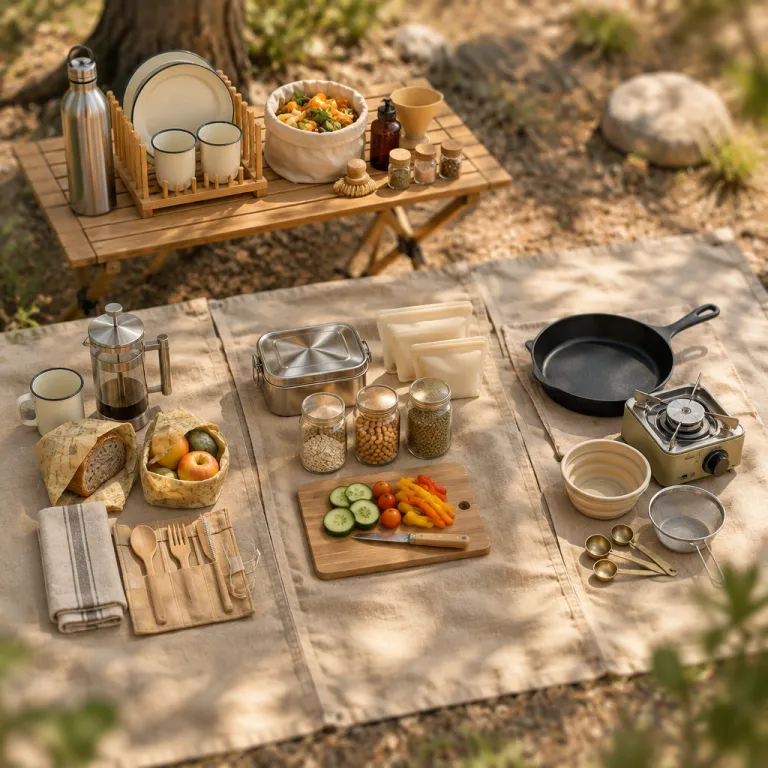
From luxury booking to a zero waste camping kitchen system
Premium families now expect a campsite to feel curated, and a zero waste camping kitchen system is becoming part of that quiet luxury. When you book a high end camp or car camping pitch through a luxury and premium booking website for campsites, you are no longer just reserving a camp spot but a complete food and cooking infrastructure that respects the land. The best properties understand that every camp kitchen detail, from prep space to water access, will shape how easily guests can avoid waste.
Before your camping trip even begins, the pre booking phase is where a low waste approach either succeeds or fails. A thoughtful platform highlights which camping gear rentals include a full camping kitchen set, which pitches have a shared sink station best placed for gray water, and which sites provide solar powered lighting over the table so families can cook safely after dark. When this information is transparent, you can plan your food, your reusable containers, and your eco friendly gear list with the same precision you apply to choosing a suite in a city hotel.
Luxury does not mean excess anymore; it means precision. A premium camp that curates a dedicated camp kitchen shelter, with covered prep space, a large shared sink, and clear leave no trace guidance, will feel more indulgent than a site that simply sells you a view and leaves you juggling plastic bags. High end booking platforms are starting to rate properties on sustainable outdoor criteria, from how they manage food waste to whether they provide biodegradable soap and signage about zero waste camping practices. Many now reference the seven Leave No Trace principles promoted by Leave No Trace Canada and the Leave No Trace Center for Outdoor Ethics, so guests know exactly what to expect before they arrive.
The pre trip system: containers, decanting and the no packaging pantry
The heart of any zero waste camping kitchen system is the pre trip ritual at home, where you turn a chaotic pantry into a calm, portable kitchen. Canadian chef and food stylist Christine Tizzard, a culinary expert on zero waste cooking and author of “Cook More, Waste Less,” frames it simply in her work on camp cooking: “Plan meals ahead,” “Use reusable containers,” “Compost food scraps.” That three step rhythm becomes your packing checklist, and it is where a luxury level camping kitchen begins, long before you reach the camp itself.
Start by planning every meal and snack for the camping trip, then decant dry food into stackable reusable containers that fit your chosen camping gear crates. For families, a labeled set for breakfast, lunch, and dinner saves time at the camp kitchen table and keeps kids from tearing into packaging that would otherwise become waste camping clutter. When you opt for reusable jars and tins instead of plastic bags, you create a compact pantry that slides neatly into the car camping trunk and feels more like a well organized hotel minibar than a messy cooler.
Next, portion liquids and condiments into a travel friendly kitchen set, using small bottles that will sit upright in your cooler beside the water jug. High end gear makers now offer nesting camp kitchen kits made from recycled materials, and outdoor gear reviewers regularly compare this new wave of sustainable camping equipment so you can choose the best options. A basic starter kit with four glass jars, six lightweight food containers, and two collapsible basins often costs between $60 and $100, but it replaces dozens of rolls of plastic bags and paper plates over a few seasons. The goal is simple: every item you bring, from oil to spices, should be in a reusable container that returns home full or empty, but never ends up as food waste smeared inside a single use wrapper.
Meal planning that makes zero waste feel effortless for families
A luxury level zero waste camping kitchen system does not rely on heroic effort; it relies on recipes that work with the realities of a camp. One pot meals, skillet suppers, and grill dishes that use the same core food ingredients across several nights reduce both food waste and the amount of cooking gear you need to bring. When you plan a three night camping trip, think in terms of ingredient families, where vegetables bought at a farmers market become tacos one night, pasta the next, and a frittata on the final morning.
Foil heavy recipes and anything that demands endless paper towel rolls simply do not belong in a refined camp kitchen. Instead, pack a small set of reusable cloths, a compact drying rack, and a folding table that doubles as prep space and serving station, so your cooking setup feels as considered as a hotel breakfast buffet. Luxury campgrounds that understand this will often provide covered communal camp kitchen shelters, where families can share prep space, water access, and even swap ideas for low waste cooking that suit children and adults alike.
For snacks, skip the single serve packets and build a snack station in one reusable box, with nuts, dried fruit, and treats portioned into smaller reusable containers. This approach keeps food visible, reduces the temptation to overbuy, and makes it easier to track what must be eaten first to avoid food waste. Many premium camps now pair this with on site guidance about sustainable outdoor habits and link to resources on keeping nature the focus rather than over programmed amenities, which aligns perfectly with a calm, zero waste camp kitchen. One family who stayed at a glamping site in British Columbia reported that their children treated the labeled snack box “like a tiny hotel pantry,” proudly returning empty containers to be refilled instead of throwing anything away.
The wash station: biodegradable soap, gray water and the 200 foot rule
Even the best planned zero waste camping kitchen system fails without a smart wash station, because cleanup is where many families slide back to disposables. A premium campsite that takes eco friendly design seriously will position a shared sink or wash station best away from natural water sources, with clear signage about the 200 foot rule for gray water disposal. This rule, widely promoted in sustainable outdoor education by organizations such as Leave No Trace, asks campers to wash and strain food waste at least 60 meters from lakes and streams, then scatter strained water over soil where it can filter naturally.
Your personal camp kitchen wash setup should mirror that logic, whether you are car camping at a serviced site or staying at a more remote eco lodge style camp. Pack two collapsible basins for a simple wash and rinse system, a small bottle of biodegradable soap, and a mesh strainer to catch food scraps before they become waste in the environment. Luxury properties increasingly provide designated gray water pits, compost bins for food waste, and even solar lighting near the sink area so families can manage evening cleanup without fumbling with headlamps.
Responsible booking platforms now highlight which camps align with modern leave no trace principles and how they implement them on the ground. Some of the most forward thinking sites are profiled in depth in resources such as the guide to how campgrounds are reinventing environmental stewardship, which helps travelers choose properties where their zero waste camp kitchen habits are supported, not undermined. When the infrastructure is right, you can wash, dry, and store your camp kitchen gear without reaching for a single paper towel or plastic bag.
Handling unavoidable waste and the real cost of going zero waste
No zero waste camping kitchen system is perfect, especially for families, so the question becomes how you handle the small amount of waste that remains. A simple hierarchy works: first, compost all suitable food scraps where facilities exist, then pack out recyclables, and finally seal true trash in a dedicated container that returns home with you. Luxury camps that provide on site composting, recycling stations, and clear signage about what goes where make this process feel like part of the stay rather than an afterthought.
The financial side often surprises travelers, because the up front cost of quality reusable containers, durable cooking gear, and a compact camp kitchen set can look steep compared with a roll of plastic bags and disposable plates. Over time, though, the savings accumulate as you stop buying paper towel packs, single use cutlery, and endless trash bags for every camping trip. Families who camp regularly find that a well chosen kit of reusable containers, cloths, and cookware pays for itself after a handful of weekends, while also reducing the hidden cost of food waste that never gets eaten.
From a booking perspective, premium platforms are beginning to surface which properties actively support this shift with filtered water refill points, bulk dry food sales, and partnerships with nearby farmers market vendors. When a campsite lets you refill water instead of buying bottles, compost food waste on site, and cook at a fully equipped camp kitchen station, the entire experience feels more aligned with the price point. In that sense, the real luxury is not the extra gear or the solar lanterns over the table, but the calm knowledge that your family can camp, cook, and clean up without leaving a trail of waste behind.
How campgrounds and booking platforms elevate the zero waste experience
The most interesting trend on luxury and premium booking websites for campsites is how they now curate for systems, not just scenery. A listing that once focused only on views and private bathrooms now highlights a shared camp kitchen pavilion, filtered water taps, and a clearly organized waste station best suited to zero waste families. This shift reflects a broader understanding that sustainable outdoor design is part of hospitality, not a separate environmental add on.
Forward looking camps are redesigning their layouts so that the cooking setup, wash area, and waste stations form a logical flow, reducing the distance families walk with heavy pots of water or bags of dishes. Covered prep space with sturdy tables, integrated sinks with biodegradable soap dispensers, and solar powered lighting create a kitchen that feels closer to a small hotel galley than a rough camp. When booking platforms showcase these details with the same care they give to pool photos or spa descriptions, guests can choose the best match for their own zero waste camping kitchen system.
For families, the benefit is practical: children learn that camping and caring for a place go together, from sorting food waste to helping bring reusable containers back to the car. Camps that stock basic reusable items for rent or loan, such as dish tubs, cloths, and even full camp kitchen sets, lower the barrier for newcomers who do not yet own specialized camping gear. Over time, this ecosystem of thoughtful design, transparent booking information, and guest education turns zero waste from a niche preference into the quiet standard for premium camp stays.
FAQ
What is a zero waste camping kitchen system in practice?
A zero waste camping kitchen system is a complete way of planning, packing, cooking, and cleaning at camp so that you generate as little trash as possible. It relies on reusable containers, durable cooking gear, and thoughtful meal planning instead of disposable packaging and single use items. The goal is to cook without creating waste that must be thrown away at the campsite.
How can families reduce food waste on a camping trip?
Families reduce food waste by planning every meal in advance and portioning ingredients into labeled containers so nothing is forgotten at the bottom of a cooler. Choosing recipes that share ingredients across several meals helps ensure everything gets used. Buying only what you need, ideally from a local farmers market, and composting suitable scraps where facilities exist also keeps waste to a minimum.
What gear is essential for an eco friendly camp kitchen?
Key items include a nesting cookware set, a sturdy cutting board, sharp knives, and a few reusable containers for leftovers. A collapsible wash basin, biodegradable soap, and cloth towels replace disposable paper products and make cleanup easier. Many campers also bring a dedicated bin or bag for recyclables and trash so they can carry everything out responsibly.
How should gray water be handled when washing dishes at camp?
Gray water from dishwashing should be strained to remove food scraps, which are then packed out or composted where allowed. The strained water should be dispersed at least 60 meters from natural water sources so soil can filter it before it reaches streams or lakes. Some campgrounds provide designated gray water disposal points, and these should always be used when available.
Why do luxury campsites focus on zero waste kitchen design?
Luxury campsites focus on zero waste kitchen design because their guests increasingly expect comfort and environmental responsibility to go together. Well designed camp kitchens with good prep space, sinks, and clear waste systems make sustainable habits easier for families. This attention to detail enhances the overall experience and aligns the property with modern expectations of high end, eco conscious travel.