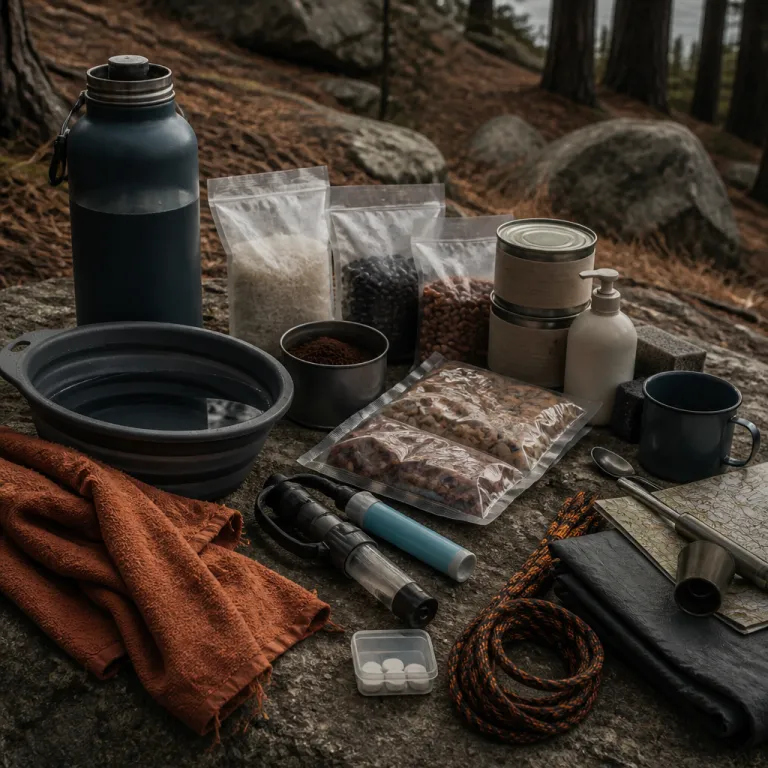
Luxury dry camping water supply planning for premium campsites
Luxury campgrounds that market silence, stargazing, and privacy increasingly expect guests to master dry camping water supply planning before arrival. When a campsite charges hotel level rates for a cliff edge pitch yet offers no running water at the tent, you need a precise water system strategy that matches the elegance of the setting. The most refined properties now brief guests on water tank logistics, water pump expectations, and grey water etiquette as carefully as they describe the wine list.
For high end camping, start with hard numbers rather than vague hopes that your fresh water will somehow last. Stellar Camping recommends at least 2 gallons, or roughly 7,5 liters, of drinking water per person per day, while our field tests align with 1 gallon for drinking, 0,5 for cooking, and 0,5 for hygiene when you treat every sink rinse as a luxury. That means a couple on a three night boondocking stay at a premium site should plan a minimum tank capacity of about 45 liters of potable water, and more if they expect a hot water sink shower each evening.
Luxury focused booking platforms now filter properties by water tanks information, clearly stating whether a water tank fill is available at check in or if guests must arrive with full tanks. On CampsiteStay, the most transparent listings specify if the water system on site is only for staff or if guests may connect a hose to top up their fresh tank before heading to a remote pitch. When a host mentions harvest hosts style parking on a vineyard or ranch, assume dry camping conditions and plan your own water heater, water pump, and water sink strategy accordingly.
How much water you really need when the tap is far away
Once you leave the comfort of a hotel sink and step into true dry camping, the math around drinking water and hygiene stops being theoretical. The dataset used by BorealBase and other outdoor équipement suppliers converges on a simple baseline ; plan around 2 gallons, or roughly 7,5 liters, of total water per person per day for camping without running water. That aligns closely with the rule of 1 gallon for drinking water, 0,5 for cooking, and 0,5 for minimal washing when you treat every second of running water as a deliberate choice.
For families booking premium campsites through a luxury platform, that number scales quickly and should shape which property you choose. A family of four on a three night stay will need around 90 liters of fresh water, which matches the dataset recommendation of about 15 liters per day for four people when you factor in conservative use at a water sink and a shared sink shower routine. Before confirming a reservation, read the amenity list as carefully as you would for a hotel and cross check it with a family focused guide such as the family campsite essentials article on CampsiteStay, then decide whether your water tanks and grey tank can handle the stay.
Self contained rigs with an integrated water tank, water heater, and grey tank can stretch that capacity further, but only if everyone respects the system. Quick sponge baths instead of long sink showers, shared dishwashing in a single basin, and disciplined use of the water pump keep tank capacity from becoming the limiting factor that cuts a trip short. Campers who arrive with collapsible tanks as backup, a dedicated hose for potable water, and a clear plan for dump stations usually enjoy the same comfort as a modest hotel room while still sleeping under canvas.
Filtration, purification, and the reality of natural sources
When the nearest faucet is kilometres away, your dry camping water supply planning must assume that natural sources may be your only refill. That is where a robust water filtration system stops being a gear catalogue fantasy and becomes the backbone of safe camping, especially on multi day travel routes through national parks or harvest hosts style farm stays. Outdoor équipement suppliers now design pump filters, gravity systems, and UV pens specifically for campers who want hotel level safety from fresh water drawn at a stream.
Pump filters excel when you need to pull water from shallow pools into a fresh tank or collapsible container, while gravity filters shine at basecamp where you can hang a bag and let the system work slowly. UV pens are fast and elegant for clear water in a bottle, but they do not remove sediment, so pairing them with a pre filter and a dedicated drinking water bottle is wise when your water tank will be filled from a lake. Chemical treatments remain a compact backup, yet many luxury minded campers prefer the taste and speed of a modern water pump driven filter that feeds directly into their water sink or portable sink shower.
Whatever method you choose, remember that purification does not solve every problem in the field. In bear country or heavily trafficked corridors, you may find that the most convenient stream is also the most contaminated, which is why serious travelers track trail updates such as the Yellowstone grizzly attack advisory before finalizing their water system plan. The smartest luxury campers treat filtration as one layer in a broader strategy that still begins with a full fresh tank, a clear understanding of dump stations, and a conservative approach to grey water production.
Water caching, containers, and managing tanks like a pro
On longer boondocking itineraries, especially when you string together remote premium campsites, water caching becomes as important as choosing the right tent. Experienced campers will pre position sealed containers of potable water along their travel route, often at legal pullouts or friendly harvest hosts properties, then mark each cache on a topographic map or navigation app. This approach turns a single heavy water tank into a distributed system of smaller tanks that protect you if one cache is inaccessible.
Container choice matters more than most hotel accustomed travelers expect, particularly in hot climates where a careless hose connection can taint an entire supply. Rigid jerrycans protect your fresh water from crushing and offer predictable tank capacity, while collapsible containers save space when empty but are more vulnerable to punctures and pressure changes. Many luxury oriented campers carry both, using rigid tanks for the main water tank fill and collapsible bags for shuttling water from a distant spigot or stream back to the main camp where the water pump and water heater live.
Managing grey water and black water with the same precision is non negotiable at high end sites that protect their landscapes. A disciplined routine around the sink, the water sink, and the drain keeps grey water volumes low enough that your grey tank will last the full stay without an emergency dump run. When you finally reach legal dump stations on the way out, treat the process with the same care you would expect from a hotel housekeeping équipe, flushing tanks thoroughly so the next leg of your dry camping journey starts with clean capacity and reliable pressure in every hose.
Reading landscapes, desert rules, and campsite selection
Choosing a luxury campsite without running water is less about the firepit photo and more about the map. Before you commit, study topographic lines for springs, streams, and likely seasonal flows, then cross reference that with the property description on your booking website to see whether any of those sources are realistically accessible on foot. A site that looks perfect on a drone shot may in practice sit high above a canyon where the only fresh water lies several hundred metres below with no safe trail.
The desert rewrites every rule of dry camping water supply planning, especially across the American Southwest where heat and distance magnify every mistake. Here, you should double or even triple your normal potable water estimate, because evaporation, hot water needs, and the temptation to linger under a sink shower all conspire against your tank capacity. Many seasoned desert travelers treat their main water tank as untouchable drinking water and carry separate water tanks for cooking, hygiene, and the occasional rinse at a portable water sink to avoid draining the core supply.
Luxury focused platforms such as CampsiteStay increasingly highlight which remote properties are truly suitable for dry camping and which quietly assume guests will drive back to a lodge for a proper sink and hot water. When a listing emphasises remoteness, silence, and no services, read that as a signal to bring a robust water heater, a reliable water pump, and enough hose length to keep your water system shaded while your tent basks in the view. In exposed landscapes, even the colour of your tanks matters, with darker water tanks heating faster and pushing pressure higher, which can stress fittings and increase the risk of leaks at the drain or pump connections.
Luxury level comfort off grid and how booking platforms help
High end campers are no longer satisfied with roughing it when they pay premium rates for a remote pitch, and the best booking platforms now curate properties where water planning is part of the experience. On CampsiteStay, we look for hosts who explain their water system clearly, from where you can perform a water tank fill on arrival to how they expect guests to handle grey water and use dump stations on departure. That level of transparency lets travelers pack the right mix of water tanks, hoses, and filtration so their stay feels closer to a discreet eco lodge than a random gravel lot.
Some luxury campsites now provide shared infrastructure such as a central potable water spigot, a shaded sink area, and even a solar powered water heater that feeds a communal sink shower, while still requiring guests to manage their own tanks. In those settings, your dry camping water supply planning shifts from absolute self sufficiency to smart integration with the property’s system, timing your tank fill when pressure is highest and planning your drain routine to avoid peak use. Articles such as the peppercorn pod approach to luxury campsite booking show how thoughtful micro amenities, including water points, can transform a simple field into a refined retreat.
For travelers used to hotel standards, the key mindset shift is that water is no longer an invisible service but a daily ritual. You will check your fresh tank level like you once checked minibar stock, listen to your water pump the way you once listened for room service at the door, and track grey water volume as carefully as you track loyalty points. As one field guide from Stellar Camping puts it, "Plan water needs: 2 gallons per person daily," and when you combine that discipline with a well chosen campsite, dry camping becomes less a compromise and more a deliberate, luxurious way to inhabit a landscape.
Key figures for camping without running water
- Average daily water consumption for remote camping is about 2 gallons, or roughly 7,5 liters, per person according to Stellar Camping, which includes drinking, cooking, and basic hygiene when water is carefully rationed.
- For a family of four, BorealBase recommends storing around 15 liters of water per day, which aligns with field practice when families minimise dishwashing and use quick sponge baths instead of long sink showers.
- A three night dry camping stay for two adults typically requires at least 45 liters of potable water, but experienced campers often carry 60 liters to allow for unexpected heat, extra cooking, or a missed refill opportunity.
- Modern gravity or pump based filtration systems can process between 1 and 2 liters of fresh water per minute, which means refilling a 20 liter container from a stream can take 10 to 20 minutes of continuous operation.
- In hot desert conditions, many guides advise doubling standard drinking water estimates to around 2 gallons, or 7,5 liters, of drinking water alone per person per day, due to higher sweat loss and limited shade.
FAQ: dry camping water supply planning for luxury campsites
How much water should I bring for camping without running water ?
For remote camping without running water, plan at least 2 gallons, or about 7,5 liters, per person per day, which matches the guidance "At least 2 gallons per person per day" from Stellar Camping. That total should cover drinking water, cooking, and basic hygiene when you avoid long sink showers and unnecessary dishwashing. If you expect high temperatures or strenuous hiking, increase that amount, especially for desert travel where dehydration risks are higher.
What are effective water conservation methods while camping off grid ?
Effective conservation starts with behaviour rather than gadgets, so prioritise quick sponge baths over full showers and wash dishes once per day in a single basin. The dataset guidance highlights "Quick showers, minimal dishwashing, and using biodegradable soap" as core techniques, which also help keep grey water volumes low for your grey tank. Many luxury campers also use leave in soap for hands, pre cooked meals that require less water at the sink, and a separate small container for tooth brushing to avoid running water unnecessarily.
How can I purify natural water sources safely ?
You can purify natural sources using pump filters, gravity filters, UV pens, or chemical treatments, each with different strengths. As the dataset notes, "Use water filters or purification tablets" when you must rely on streams or lakes, and pair that with careful source selection away from heavy livestock or human traffic. For luxury level comfort, many travelers combine a pump filter feeding a fresh tank with a UV pen for individual bottles, ensuring both the main water system and personal drinking water remain safe.
Where can I legally dump grey water and refill tanks ?
Grey water and black water must be emptied only at designated dump stations, which are commonly found at full service campgrounds, some fuel stations, and certain highway rest areas. Luxury booking platforms often list the nearest dump stations and potable water points in their property descriptions, but you should still verify locations on a current map or app before travel. Never drain grey water directly on the ground at premium campsites unless the host explicitly provides a dedicated grey water drain system and confirms that local regulations allow it.
How do I choose containers and manage tank capacity for a premium stay ?
Choose a mix of rigid jerrycans for your main potable water and collapsible containers for shuttling water from distant taps or natural sources, then calculate total tank capacity based on your daily needs and trip length. For example, a couple on a four night dry camping stay might carry a 60 liter main water tank plus two 10 liter collapsible tanks to allow for a mid trip refill from a stream using a pump filter. Monitor levels daily at the sink and water sink, adjust your use of the water heater and sink shower accordingly, and plan your route so that a reliable refill or dump station appears before any tank reaches a critical limit.