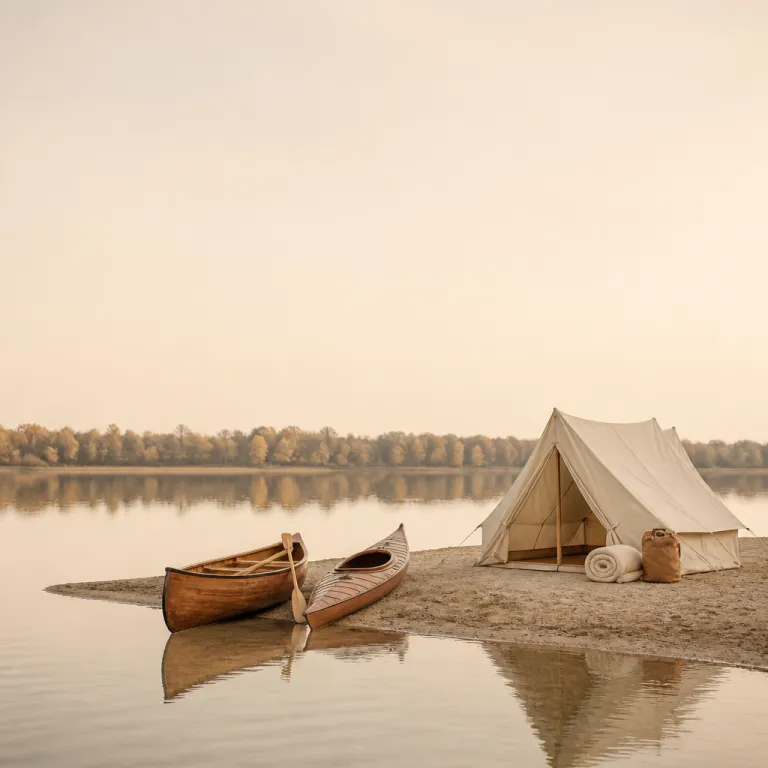
Why paddle-in campsites are the quiet luxury of the backcountry
Canoe kayak campsite paddle-in camping sits in a rare sweet spot between rugged adventure and quiet luxury. You move across the water with canoes kayaks carrying far more gear than any backpack could manage, yet your camp feels as secluded as a high alpine ridge. For couples used to premium hotels, this style of paddle camping offers the same privacy and sense of occasion, only framed by a lake or river instead of a lobby.
On a well managed lake or gentle river state corridor, designated sites are often spaced hundreds of metres apart, so your nearest neighbour is a loon rather than another tent. The best locations are usually reserved for paddle-in campsites, because the shoreline that matters most to a national park or state park planner is the one facing open water. While car campsites near the park entrance fill months ahead, the same lakes often hold primitive campsites that remain free on midweek dates or can be booked with only a modest fee.
Luxury in this context is not about thread count but about control over your environment and time. You choose the exact site along the water trail that suits your mood, whether that is a sheltered cove in a state forest or a breezy point on a broad lake. With a proper camping permit, a flat tent pad, a fire ring and a picnic table already in place, you arrive to a camp that feels curated rather than improvised.
Hidden gem locations where a paddle unlocks the best sites
Some of North America’s most atmospheric camping opportunities sit just one or two kilometres of paddling away from the nearest road. On the wisconsin river, for example, sandbar campsites form a shifting necklace of primitive campsites that feel almost private, especially outside peak weekends. Here, canoe kayak campsite paddle-in camping means you glide past crowded public parks and quietly claim an island with only a fire ring and the river for company.
Far to the north, lake superior offers a different mood entirely, with cold state water, basalt headlands and national forest backdrops that feel almost Scandinavian. Many designated sites along sheltered bays are served by short water approaches, giving you hotel level sunset views without hotel neighbours. A similar pattern plays out in more temperate regions, where a state park may hide a handful of paddle-in campsites on interior lakes while drive-in loops remain fully booked.
Couples who usually book high end cabins, such as refined lake chalets or elegant riverfront retreats, often find these paddle-in locations deliver comparable romance at a fraction of the cost. A smart strategy is to pair a few nights of kayak camping with a night in a carefully chosen luxury cabin, such as this woodland chalet for luxury nature escapes, to ease the transition between wilderness and comfort. The result is an itinerary where the river or lake becomes your main corridor, and every camp feels like a deliberately chosen suite along that route.
Availability, logistics and how the access barrier works in your favour
From a booking perspective, canoe kayak campsite paddle-in camping is one of the last remaining travel hacks that still feels under the radar. While drive-in campsites at a popular state park or national park can sell out within minutes, the paddle-in sites on the same lakes often show same day availability. The simple requirement to paddle a loaded boat across open water filters the crowd without making the experience inaccessible to reasonably fit couples.
Planning starts with the basics that experienced paddlers treat as non negotiable. Check weather forecasts, pack waterproof bags, inform someone of your itinerary. Most itineraries follow a simple rhythm — plan the trip, pack gear, paddle to the campsite, set up camp, then return — and the average trip duration of two days with about fifty pounds of gear per boat, as highlighted by REI Expert Advice, suits many first timers.
Logistics become more nuanced when you factor in portage distances between lakes, the character of each river section and the position of designated sites. On a calm lake, you might paddle three or four kilometres to a single camp and stay two nights, treating the site as a base for day trips. On a gentle river state corridor, you may prefer a one way route that strings together several dispersed camping spots, each with its own fire ring, pit toilet and picnic table, and then arrange a shuttle back to your car or to a refined mountain cabin such as these elegant Fall River cabins in Estes Park.
Gear, comfort and what changes when your luggage must float
The gear list for paddle camping overlaps heavily with standard camping, but water changes the stakes. Every item must survive spray, rain and the occasional capsize, so dry bags and waterproof barrels become as essential as your tent and sleeping bag. When travellers ask “What should I pack for kayak camping? Essentials include tent, sleeping bag, food, water, and safety gear.”
Because canoes kayaks carry weight more easily than a backpack, couples can elevate comfort without sacrificing safety. A thicker mattress, a more generous duvet style sleeping bag and a compact but sturdy picnic table set all feel reasonable when the boat, not your shoulders, bears the load. Many paddle-in campsites in a national forest or state forest are already served with a fixed picnic table and a fire ring, so your own gear can focus on sleeping comfort, lighting and good food.
Luxury focused paddlers often bring a few hotel adjacent touches that transform primitive campsites into something closer to a private retreat. A small rug for the tent floor, a collapsible lantern that mimics warm indoor lighting and a well chosen bottle of wine all travel well by water. For trips that combine paddle-in nights with a stay in a high end cabin, such as these elegant cabins with a Jacuzzi for a refined mountain retreat, you can even stage fresh clothes and non essential items at the cabin and carry only what the river or lake demands.
Rivers, lakes and coastal routes — choosing your paddle-in personality
Not all canoe kayak campsite paddle-in camping feels the same, and the water system you choose shapes the entire experience. On a meandering river, the current does part of the work, and each new bend reveals another potential camp, especially on stretches like the wisconsin river where sandbars create natural primitive campsites. Lakes, by contrast, reward patience with broad horizons and the chance to select a single perfect site, then linger.
Rivers in a state forest or national forest corridor often allow a mix of designated sites and carefully regulated dispersed camping, with a camping permit required for some stretches of state water. These routes suit travellers who enjoy a sense of progression, moving camp each night and watching the landscape subtly change. Lake based itineraries, whether on a small inland lake or a vast basin like lake superior, favour couples who prefer to settle into one camp and treat the surrounding water as their playground.
Coastal style routes on large lakes or open estuaries demand more experience, but they also deliver some of the best campsites on the continent. Here, a national park planner may place designated sites on rocky points that would be impossible to reach by road, giving paddle campers front row seats to sunrise and stars. For those wondering “What is canoe camping? Camping accessible only by canoe or kayak.” and “Are there guided canoe camping trips? Yes, many outfitters offer guided trips for beginners.”, guided coastal itineraries can be an elegant way to sample this world with expert support.
How premium booking platforms can curate paddle-in hidden gems
For travellers used to polished booking engines, the fragmented information around paddle camping can feel like a barrier. Luxury focused platforms now have an opportunity to treat each paddle-in site as carefully as a high end suite, with clear photography of the shoreline, the tent pad, the fire ring and any nearby pit toilet. A well designed interface can distinguish between designated sites with full amenities and more remote dispersed camping options that require greater self sufficiency.
Filters that highlight national park, state park, national forest and state forest locations help couples align their expectations with the level of service and regulation. A premium listing for a canoe kayak campsite paddle-in camping experience should specify whether the site is free or requires a fee, whether a camping permit is needed and how far the paddle is from the nearest launch. It should also clarify whether the site is served by a marked water trail, how exposed the water crossing can be in bad weather and whether canoes kayaks rentals are available through local outfitters.
Done well, this level of curation turns a complex planning exercise into a refined trip builder. Couples can compare lakes versus rivers, short versus long paddles and primitive campsites versus more developed campsites with picnic tables, then book with the same confidence they would bring to a city hotel. The result is a portfolio of hidden gem locations where the best sites are reserved not by status, but by the willingness to pick up a paddle and let the water lead the way.
FAQ
How difficult is paddle-in camping for first-time paddlers ?
For healthy adults with basic fitness, a short paddle on calm lake or gentle river sections is manageable with minimal instruction. Many state park and national park systems offer beginner friendly routes on marked water trails, often with designated sites spaced only a few kilometres apart. Booking a guided trip through local outfitters can further reduce the learning curve and add safety oversight.
What permits or fees do I need for paddle-in campsites ?
Requirements vary by state and by managing agency, so always check the specific park or forest website before you book. Some national forest and state forest corridors allow free dispersed camping, while others require a camping permit and charge a modest nightly fee for designated sites. In heavily visited national park and state park areas, advance reservations are often mandatory even for primitive campsites reached only by water.
How much gear can I realistically bring in a canoe or kayak ?
A typical tandem canoe used for paddle camping can comfortably carry two adults plus around fifty pounds of camping gear, food and water without feeling unstable. Touring kayaks have less volume but still handle multi day loads well when you pack into smaller dry bags. Prioritise safety equipment, shelter and insulation first, then add comfort items only if the boat still paddles and handles easily.
How do I choose between a river route and a lake based trip ?
Rivers such as the wisconsin river offer a sense of downstream progression and frequent sandbar campsites, but they require attention to current, strainers and take out timing. Lakes, including large basins like lake superior, provide more stable navigation but can generate challenging waves and wind, especially on exposed crossings. For a first trip, many paddlers prefer a small inland lake with sheltered designated sites and short paddling distances.
Is paddle-in camping compatible with a luxury focused holiday ?
Yes, many couples pair two or three nights of kayak camping with stays in premium cabins or lodges before and after the paddling segment. This approach allows you to enjoy the solitude of remote campsites with fire rings and picnic tables, then return to high thread count sheets and hot showers. Using a curated booking platform, you can align river or lake itineraries with nearby upscale properties to create a seamless, high comfort itinerary.