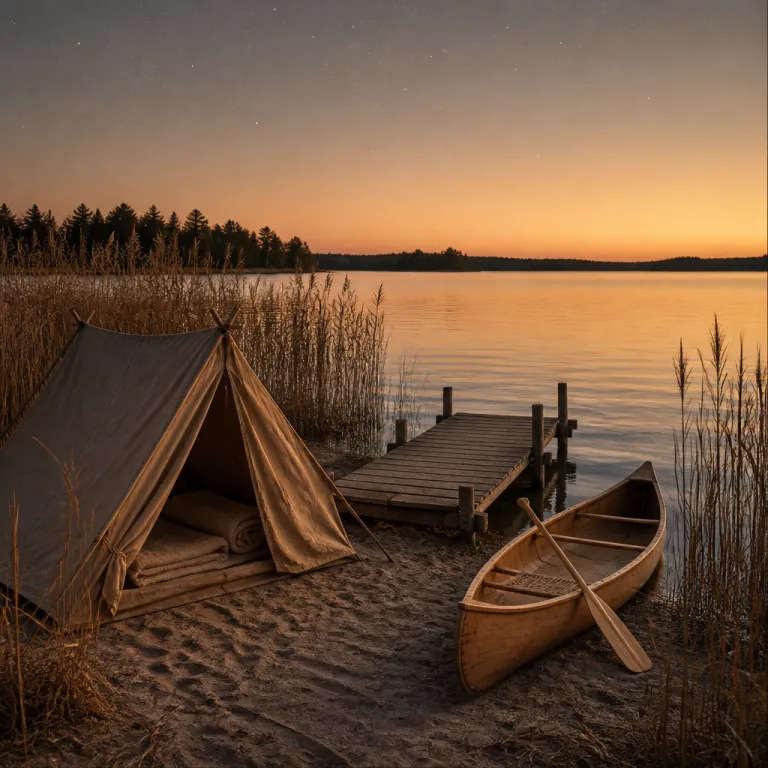
August camping for couples: warm water, dark skies and quiet luxury
Late August is when lakes and coastal coves in the United States often reach their warmest water temperatures, even as evenings start to cool and the crowds thin. Water typically warms and cools more slowly than air; agencies such as NOAA and the USGS note that surface water can lag behind air temperature changes by roughly three to four weeks. For couples planning a premium camping trip, that seasonal delay turns a late August lakeside stargazing escape into something that feels like a private spa framed by dark skies.
The August paradox: warm water, cool air, and quieter shores
By the final weeks of summer, many inland lakes in states such as Minnesota, Michigan and Utah still hold water in the upper 60s to low 70s Fahrenheit, while nighttime air can slip into the 50s. That contrast means you can slide into comfortably tempered water after sunset, then wrap up in a dry layer for sky watching while the rest of the summer rush has already gone home. For couples, that August paradox is the secret to combining a warm evening swim with a cool, crisp night sky in a single, unhurried camping experience.
Luxury oriented sky camping platforms now let you filter sites by swimming access and shoreline type, so you can pair a sheltered cove with a certified dark sky park in a single booking. Some of the best curated properties sit beside slow warming basins and inlets, where a shallow basin national lake or lagoon stores the day’s heat and releases it gradually into the night. When you ease into that warm water under a clear sky, the contrast between cool air and heated basin feels closer to a natural onsen than a standard camp swim, especially when the only light comes from stars and a distant lodge glow.
Look for elevated campsites above the waterline, because a slight height advantage gives you a wider view of the sky and better airflow on humid summer nights. A well designed sky park style campground will orient premium pitches toward the western horizon, so you can watch the last red light of sunset fade while the first star appears over the opposite shore. In these settings, late season golden hour becomes part of the room rate rather than a background detail, with couples timing their shoreline aperitif to the moment the basin mirrors the sky.
On high end booking sites, filter for properties that mention warm evening swims, dock access, or protected coves, then cross check them against dark skies maps from organizations such as the International Dark Sky Association to avoid light pollution. Many national park adjacent camp operators now publish simple water temperature charts or weekly updates, which help you time your August camping night sky warm water stay to the exact week when the basin holds its maximum heat. When you see that curve peak just as school calendars restart and reservation calendars loosen, you will understand why late August is the best season for couples who want both celestial calm and indulgent swims.
Perseid meteors, Sturgeon Moon and the luxury of unhurried stargazing
August is the month when major celestial events finally align with comfort, giving you warm nights, generally clear skies and fewer neighbors rustling snack bags beside you. The Perseid meteor shower is active from about July 14 to August 24, peaking August 12–13, 2026, and that peak usually coincides with some of the best night skies of the season for naked eye stargazing, as noted by sources such as NASA and the American Meteor Society. Under ideal dark sky conditions, the Perseids can reach a zenithal hourly rate (ZHR) of around 100 meteors per hour, though actual counts depend on local sky darkness, cloud cover and moon phase. When you combine that with an August camping night sky warm water campsite, you can float in the lake at midnight while a meteor shower sketches brief silver lines across the dark sky above.
For couples, a premium sky camping pitch in or near a national park with an international dark sky designation is worth the higher nightly rate. These sky parks are vetted by the International Dark Sky Association or similar programs, which means strict controls on artificial light and a serious commitment to preserve night conditions for both wildlife and guests. In practice, that means you will walk dim gravel paths lit only by shielded red light lanterns, then step into a tent or canvas suite where the Milky Way replaces the usual resort corridor glare and your eyes stay adapted to the dark.
Plan your camping trip around both the Perseid peak and the August full moon, often called the Sturgeon Moon, which usually rises around the second week of the month. The full moon will wash out some faint stars and reduce the number of visible meteors, yet it paints the water surface with a luminous path that makes late night swims feel cinematic rather than risky. On nights before and after the peak, when the moon is less bright, you can still see dozens of meteors per hour under dark skies, while the softer moonlight on other evenings keeps the shoreline and sky places around you legible without harsh light pollution.
Luxury focused booking platforms now highlight stargazing amenities alongside spa menus, from loaner telescopes to guided meteor shower viewings hosted by local astronomy clubs. When you evaluate properties, look for language about dark skies, sky parks or international dark sky standards, and cross reference any safety notes about wildlife or trail access with current advisories such as detailed bear country guidance for summer campers in Yellowstone style regions on trail closure and wildlife safety briefings. The most thoughtful hosts will suggest where to place your reclining chairs, which direction to face for the best night sky views, and how long to let your eyes adapt before the first star streaks across the sky.
From sold out to serene: how August changes campsite availability
In July, many national park campgrounds and private sky parks feel like outdoor airports, with every pitch booked and every trailhead overflowing by mid morning. After about August 10, the same properties that were impossible to reserve often show same week availability, especially for midweek stays that suit flexible couples. This demand drop is where a luxury oriented late summer stargazing and warm water escape becomes both more attainable and more refined, because you can choose your preferred shoreline or ridge rather than settling for whatever is left.
Premium booking platforms track this seasonality and quietly open last minute inventory on their best sky camping sites once families pivot to school schedules. You will often find upgraded riverfront or basin national lakefront pitches, previously blocked for longer stays, released as two or three night windows that are perfect for a spontaneous romantic camping trip. When that happens in a place like Great Basin National Park or other so called second tier national parks, you gain access to world class dark skies without the crowds of the headline destinations, along with water that still holds midsummer warmth.
Properties near Great Basin and similar regions in the western United States often sit within or beside designated dark sky parks, where light pollution is kept to a bare minimum. These sky places are ideal for couples who want to pair a late afternoon paddle with a long night of stargazing, then sleep in without generators humming nearby. For deeper planning, guides to under appreciated parks such as the analysis of why Black Canyon of the Gunnison belongs on your campsite shortlist on second tier national parks help you identify where the best dark skies and warm water overlap and which campgrounds consistently maintain quiet hours.
When you browse inventory, pay attention to how hosts describe their night skies and whether they reference any sky association standards or local dark sky initiatives. Listings that mention preserve night policies, quiet hours aligned with celestial events, and guidance on using red light headlamps usually indicate a more serious approach to the night sky experience. Combine that with late season discounts and you will often pay less for a premium pitch in August than for a basic camp site in peak July, while enjoying warmer water and calmer, star filled nights that feel tailored to couples rather than family crowds.
Golden hour, lifted fire bans and the emotion of the last camp
By late August, the sun’s lower angle softens the light, turning golden hour into a longer, warmer toned performance over water and rock. That shift makes every shoreline aperitif feel like a private screening, with the last red light of day sliding across the basin while the first star appears above the opposite ridge. For couples on an August camping night sky warm water retreat, this evening show often becomes the emotional anchor of the entire season, especially when it is paired with the knowledge that cooler, shorter days are just ahead.
In many western regions, early summer fire restrictions ease as vegetation greens and humidity rises, allowing carefully managed campfires again in designated rings. Before you strike a match, always check local regulations and any national park advisories, because some basins remain under partial bans even when nearby valleys reopen. When fires are permitted, a small, well tended flame beside a dark sky lake can frame the night skies without overpowering them, especially if you keep other artificial light sources to a minimum and let the stars provide most of the illumination.
Luxury focused camp operators increasingly design their communal areas around this twilight to night transition, with low seating facing the sky and minimal overhead light. You will see more properties specifying warm color temperature bulbs, shielded fixtures and clear guidance on using red light for paths and tent interiors, all to preserve night vision for stargazing. The best sites even schedule quiet hours to coincide with peak meteor shower activity, so the only sounds are water lapping against the shore and the soft exclamations when a bright meteor splits the sky or a satellite drifts silently overhead.
Emotionally, the last camp of the season carries a different weight than the first, because you are closing a chapter rather than opening one. Couples often choose higher end sites for this final camping trip, booking canvas suites or lakefront decks through curated platforms that also feature elegant resorts for larger gatherings, such as the California properties highlighted in guides to elegant resorts that welcome family reunions. When you pack up under a pale dawn sky after a night of meteors, warm swims and shared silence, you will remember not the booking fee but the cliff edge pitch where the sunset belonged to whoever carried their tent there and decided to end summer under the stars.
FAQ
Why is August considered ideal for stargazing during a camping trip ?
August combines warm nights, generally clear skies and major celestial events, which makes it unusually comfortable and rewarding for stargazing. Warm air and water mean you can stay outside longer without the chill that often cuts spring or autumn sessions short, and many dark sky parks report their highest visitor satisfaction for night sky quality in late summer. As one expert summary puts it, Why is August ideal for stargazing? Warm nights and clear skies provide optimal conditions.
When is the best time in August to see the Perseid meteor shower ?
The Perseid meteor shower is active from mid July through late August, but its peak usually falls around the second week of the month. For this cycle, the Perseid meteor shower peak? August 12–13, 2026, and those nights can produce a zenithal hourly rate of up to about 100 meteors per hour under dark skies, according to organizations such as NASA and the American Meteor Society. Because actual visible rates are lower when the moon is bright or the horizon is obstructed, booking a dark sky campsite for a two or three night window around those dates increases your chances of clear conditions and memorable views.
How does the Sturgeon Moon affect August camping night sky warm water experiences ?
The Sturgeon Moon is the traditional name for the full moon that occurs in August, often around the second week of the month. Its bright light softens the visibility of faint stars and some meteors but enhances reflections on lakes and coastal basins, creating a luminous path across the water that many couples find romantic. If you want both strong meteor activity and a dramatic moonrise over the water, plan your stay so that at least one night coincides with this full moon while another falls on a darker, less moonlit evening.
How can I choose a campsite with genuinely dark skies and low light pollution ?
Start by looking for properties within or near designated dark sky parks or areas recognized by the International Dark Sky Association. Then read listing details carefully for mentions of preserve night policies, shielded lighting, red light recommendations and guidance on stargazing spots away from buildings or parking areas. Cross checking the location on a light pollution map and reading recent guest reviews about night sky quality will help confirm whether the skies are truly dark and whether nearby towns or resorts introduce unwanted glow.
What gear should couples bring for an August sky camping getaway ?
For comfort, pack lightweight layers, a warm blanket or down quilt, and reclining chairs that let you look straight up at the night sky without straining your neck. For stargazing, you only need your eyes, but binoculars, a tripod mounted camera and a red light headlamp will significantly improve the experience and protect your night vision. Many premium campsites now offer telescopes or host astronomy club events, so check amenities before investing in new equipment and consider renting specialty gear from outfitters near popular dark sky destinations.