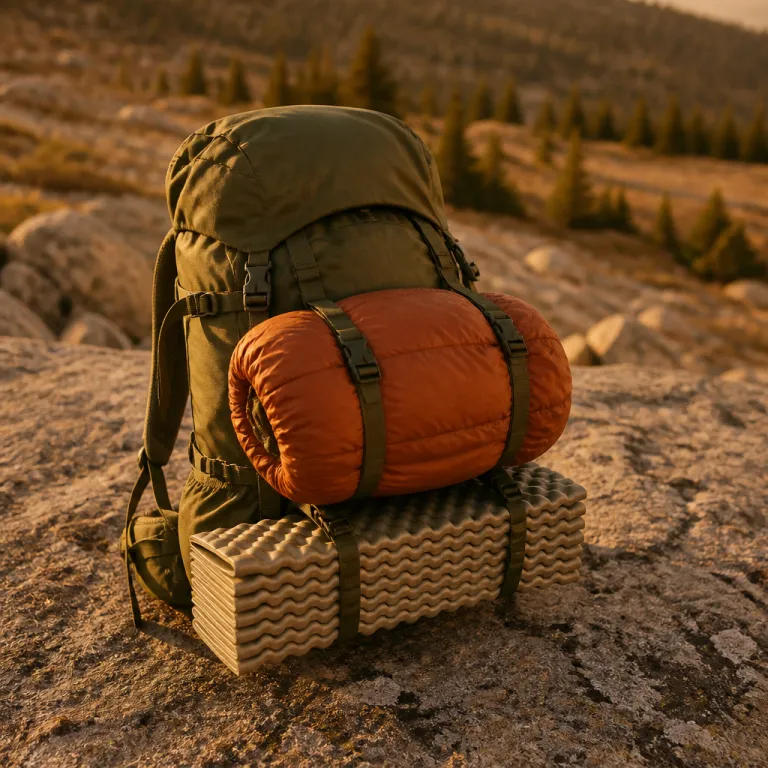
Why high altitude camping above treeline feels so different
High altitude camping above treeline looks effortless in photographs, yet reality is sharper. At 8,000 feet and higher, barometric pressure drops enough that the effective oxygen available to your body is roughly 25 percent lower than at sea level, and that shift will change how you camp, sleep, and move from the first night. Luxury minded travelers booking a premium camp above the forest line should understand that this is not just regular camping above a pretty valley but a different category of alpine stay.
Guidance from the Wilderness Medical Society notes that reduced oxygen at altitude increases breathing rate, dries airways, and quietly sabotages deep night sleep (Wilderness Medical Society Practice Guidelines, 2019). Park Rangers and experienced guides repeatedly remind new campers that “What is altitude sickness? A condition caused by reduced oxygen at high elevations.” and “How to prevent altitude sickness? Gradual ascent and proper acclimatization.” and “What gear is essential for high-altitude camping? Insulated clothing, oxygen monitors, and high-calorie food.” Many luxury platforms that curate high-mountain experiences now highlight acclimatization nights at mid elevation lodges, often around 2,000 to 2,500 meters, before guests sleep above the main treeline zone.
For couples used to hotel suites, the first surprise is how quickly a gentle trail feels steep at high elevation. Even in trail runners, a short walk from car to camp spot above tree cover can leave you breathless, so allow extra time for setting camp and avoid hauling heavy loads in a single push. Smart booking on a premium campsite website means choosing properties that clearly state altitude, provide oxygen monitoring devices on request, and offer member style messaging support if you email health concerns before arrival.
Physiology, hydration and the art of sleeping well above tree cover
Once you camp above 8,000 feet, your body quietly rewrites its rules. Lower oxygen at this altitude means your heart works harder through the night, and many travelers report lighter night sleep with more frequent waking. A refined high mountain itinerary therefore builds in shorter hiking days, generous hydration breaks, and at least one lower elevation recovery night between demanding ascents so that your system can adapt instead of constantly playing catch up.
Water behaves differently at high elevation, which matters for both safety and comfort. Around 8,000 feet, water boils at roughly 196 degrees Fahrenheit according to standard altitude–boiling point tables from agencies such as NOAA and the U.S. Geological Survey, so cooking times stretch and a hot drink in the open air takes longer to prepare, which can feel endless when wind bites and weather shifts. Luxury campsites that understand thin air realities often provide detailed cooking guidance, sheltered communal kitchens that act as a natural wind break, and premium stoves with efficient gear so guests do not waste fuel while they camp above the clouds.
Hydration is the other non negotiable, because dry air and increased breathing will dehydrate you faster than a humid sea level city. Aim to drink small amounts often, and remember that alcohol at altitude hits harder and can worsen altitude sickness, so keep the celebratory wine modest if you want a stable night sleep in your sleeping bag. For couples who usually book spa suites, the most indulgent upgrade here is not champagne but a well insulated tent, a high quality sleeping bag rated for sub zero nights, and a campsite that offers easy access to treated water so you do not spend the evening hiking down to distant streams.
High UV exposure at altitude also changes how you think about daytime comfort. Dermatology research shows that UV intensity increases by about 4 percent for every 300 meters of elevation gain, so a camp spot above tree shade demands serious sun strategy. When you compare lakefront versus riverside or high ridge locations, the same logic that applies to how water changes everything about a campsite applies to sky exposure here, and a luxury booking platform should spell out shade options as clearly as it lists thread counts.
Weather, wind and lightning: exposure costs extra above treeline
High elevation camping above treeline trades forest shelter for cinematic horizons, and that trade has a price. Without trees, you are fully exposed to wind, rapid weather swings, and the kind of lightning storm that can turn a romantic evening into a risk calculation. Visitor surveys and ranger reports from Rocky Mountain National Park suggest that a significant share of people above 8,000 feet experience some form of altitude related discomfort, and poor weather planning often makes those symptoms worse by adding cold stress, wet clothing, and anxiety about getting back to shelter.
Afternoon thunderstorms are a near daily pattern in many mountain regions during the main camping season. A clear morning can shift to towering peaks wrapped in dark cloud by mid afternoon, with wind direction changing in minutes and lightning finding the highest open ground, which is often where people have chosen to camp above the treeline for the view. Luxury and premium campsites that operate in these zones now publish precise check in times, encourage early setting camp before storms build, and train every staff member to brief guests on safe behavior during a lightning storm.
Wind is the constant companion of camping above the forest, and it shapes everything from tent choice to where you place your head at night. A strong shelter wind strategy means using low profile tents, robust tent stakes designed for rocks and thin soil, and natural features such as boulders or small ridges as a wind break rather than fragile shrubs above tree level. When you browse curated properties on a site that also highlights second tier national parks such as Black Canyon of the Gunnison, look for listings that show detailed photos of pitches, explain typical wind direction, and specify whether platforms or rock ledges are used for each camp spot.
Lightning safety deserves particular attention for couples used to the grounded security of a hotel. You should avoid camping on the highest exposed points, near isolated trees, or on ridgelines where a lightning storm will naturally focus its energy, and instead find gentle terrain depressions that still drain water but sit slightly below the most prominent peaks. One longtime guide in Colorado puts it simply: “If you feel like the tallest thing around, you are in the wrong place for a storm.” Park advisories in high country areas consistently echo this guidance and emphasize moving down early when thunderheads build, and premium operators increasingly include weather briefings in pre arrival emails, encourage guests to email share their planned routes, and maintain radio contact with Park Rangers so that any moving down of guests to safer shelter can happen before the sky turns electric.
Choosing the right high elevation campsite: where luxury meets thin air
For travelers who usually filter hotels by spa and pillow menu, the luxury version of high altitude camping above treeline starts with location curation. Car accessible high elevation camps in Colorado, California, and Washington allow you to sleep near dramatic peaks without committing to multi day expeditions, which suits couples who want romance with controlled risk. The art lies in choosing a camp above the trees that balances exposure, access, and the level of service you expect from a premium booking.
In Colorado, look for managed sites near passes such as Independence Pass or Trail Ridge Road, where you can choose camp spot options just below the highest elevation yet still feel firmly camping above the main forest canopy. California’s eastern Sierra offers drive up campgrounds near Tioga Road and the Mammoth Lakes region, where granite rocks, alpine lakes, and open meadows create a natural amphitheater for sunset, but you still find sheltered pockets for your tent. Washington’s Cascades add another layer, with campgrounds near Chinook Pass or the Mount Baker Highway giving you above tree vistas while keeping you close to Park Rangers and paved exits if the weather turns.
Luxury and premium booking platforms now treat these campsites with the same editorial care once reserved for city hotels. Some curated guides help you find refined campgrounds with amenities such as hot showers, heated shelter buildings, and even pools, and a piece on elegant escapes with swimming pools shows how comfort can coexist with canvas. When you filter for camping high properties, pay attention to altitude listed in meters, the distance from parking to pitches, and whether the site offers rental gear such as four season tents, high quality sleeping bags, and extra tent stakes designed for rocky soil.
Service details matter more as elevation rises. A responsive host who will answer an email share about weather, provide real time updates on wind direction, and advise on safer camp above options during stormy periods is worth more than a welcome drink. Some premium operators now include oxygen monitoring devices, on site guides who act as a discreet member of your safety équipe, and clear protocols for moving down guests to lower elevation cabins if altitude sickness appears during the night.
Acclimatization, gear and on site rituals for couples camping above
Altitude sickness is the quiet spoiler of many high altitude camping above treeline trips, especially for couples who fly from sea level and head straight to 8,000 feet. A smarter strategy is to spend a first night at a mid elevation hotel or lower camp, around 1,800 to 2,400 meters, then move to camping above that on the second or third night. This gradual ascent gives your body time to adjust, reduces the risk of the altitude sickness rates reported in some mountain parks, and makes the premium price of a high elevation campsite feel like money well spent rather than a gamble.
Gear choices shape how luxurious your stay feels once you are actually on the mountain. A four season tent with strong poles, a properly rated sleeping bag, and a robust set of tent stakes that can bite into rocks or thin alpine soil will do more for your comfort than any scented candle. Many couples now hike in trail runners for the day, then change into warmer boots at camp, using a lightweight shelter wind tarp or natural wind break to create a semi private lounge where they can enjoy a drink without shivering in the open.
On site rituals help transform a demanding environment into a romantic retreat. Arrive early enough to find a sheltered camp spot, orient the tent so its lowest profile faces the prevailing wind direction, and secure every guy line before you relax, because moving down to fix a flapping shelter in the dark is the opposite of luxury. Share facebook style photos later; during the golden hour, focus on slow breathing, hot food that may take longer to cook at altitude, and a final weather check so you know whether to tighten guylines or prepare for a calm night sleep under the peaks.
FAQ
What is considered high altitude camping above treeline for most travelers ?
Most mountain parks define high altitude camping above treeline as spending the night at elevations above roughly 2,400 meters, where trees thin out and wind exposure increases. For many car accessible camps in North America, that means sites around 8,000 to 10,000 feet, where effective oxygen availability is about 25 percent lower than at sea level according to standard barometric pressure calculations. Luxury and premium booking platforms usually flag these elevations clearly so guests can plan acclimatization nights beforehand.
How many nights should I spend acclimating before I camp above 8,000 feet ?
If you live near sea level, plan at least one night at a mid elevation hotel or lower campsite around 1,800 to 2,400 meters before camping high. Travelers with a history of altitude sensitivity often benefit from two gradual nights, stepping up elevation each day while monitoring for headache, nausea, or unusual fatigue. Booking flexible stays through a premium campsite website lets you adjust plans if symptoms appear.
What are the essential gear upgrades for camping above the treeline ?
Key upgrades include a sturdy four season tent, a warm sleeping bag rated below expected temperatures, and reliable tent stakes that work in rocky or thin soil. At high elevation, a good insulating sleeping pad, wind resistant layers, and sun protection are as important as the shelter itself. Many luxury campsites either rent this gear or partner with local guides so guests can arrive with only personal clothing and still sleep comfortably.
How can I reduce the risk of altitude sickness during a romantic high elevation trip ?
Ascend gradually, stay well hydrated, avoid heavy exertion on the first day at a new altitude, and keep alcohol intake low. If symptoms such as persistent headache, nausea, or dizziness appear, the safest response is to rest and, if they do not improve, move to a lower camp or hotel. Choosing a campsite with easy vehicle access and clear communication with Park Rangers or on site staff adds an extra layer of safety.
Are high altitude campsites suitable for travelers who usually prefer hotels ?
They can be, provided you choose curated properties that blend mountain exposure with thoughtful amenities. Look for campsites that offer level platforms, sheltered cooking areas, clean facilities, and responsive hosts who will answer questions about weather, wind, and elevation before you book. Many couples now combine a few nights in a comfortable mountain hotel with one or two carefully planned nights camping above the treeline for a balanced, memorable trip.