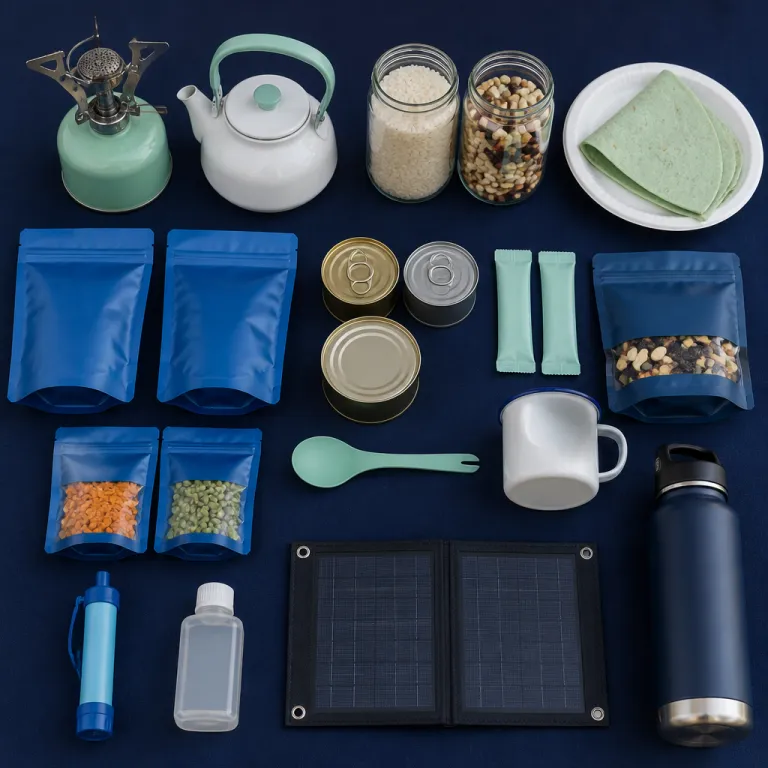
Luxury camping under a shifting campfire ban landscape
Across the western United States, the phrase “campfire ban camping 2026” has moved from niche search term to essential trip filter. Luxury and premium camping guests now face a patchwork of fire restrictions that can change between booking and arrival, especially on public lands managed by a national forest, a state park or a Bureau of Land Management (BLM) field office. For high end sites in California, Washington and Oregon, the guest experience increasingly depends on how clearly operators translate those restrictions into elegant, ash free evenings.
In recent seasons, Olympic National Park and the adjacent Olympic National Forest have at times prohibited any fire that produces ash, which can mean no traditional campfire, no charcoal grills and no wood fires in fixed fire pits. During a July 2023 fire safety update, for example, the National Park Service and U.S. Forest Service both restricted solid fuel fires while allowing gas and propane stoves with a shutoff valve, provided users followed local clearance guidance. Current rules are always published on the official Olympic National Park and Olympic National Forest fire information pages, and Clallam County posts county wide outdoor burn bans and effective dates on its fire marshal site when conditions warrant tighter controls; operators should reference those primary sources directly in their listings so guests can verify the details.
Because these orders change frequently, gas and propane stoves remain the most consistently allowed option if the device has an on/off control and no flammable material sits within the minimum clearance specified by the relevant agency. Many luxury camping operators now adopt those national forest style standards year round to keep fires permitted only in tightly controlled formats. When Clallam County issued a full outdoor burn ban in August 2022, for instance, that county rule overrode what many guests assumed was a more permissive state or federal policy, illustrating how local directives can instantly narrow what is allowed at a premium campsite and why hosts now cite specific county burn ban notices, order numbers and effective dates in their pre arrival emails.
For premium campsite booking platforms, this volatility has become a design brief rather than a nuisance. The most credible listings now show a live “fire danger” status, link directly to the relevant park, national forest or BLM field office and explain in plain language whether any portable fire solution is allowed that night. Guests see at a glance if fires allowed means only gas stoves on steel tables, or if a low risk coastal state park still permits a supervised portable fire pit with a campfire permit issued on site under a current state parks bulletin or superintendent’s compendium signed and dated for the 2024–2026 fire seasons.
How to verify restrictions before you commit
Before confirming a high value camping stay, treat fire restrictions as seriously as cancellation policies. Check the listing, then cross reference it with the official national forest, state park or county fire marshal pages, because restrictions in place can tighten quickly after a red flag warning or a spike in regional fires. Many agencies publish clear “posted June 2024” or “updated August 2025” bulletins, and a luxury focused platform should surface those dates prominently so residents and visitors understand whether the guidance is current and which specific order or compendium governs their stay.
When you book on a premium site, look for explicit language about any burn ban, not vague references to “seasonal rules”. A trustworthy operator will state whether a burn is allowed only in propane appliances, whether charcoal is banned outright and whether any wood fires are categorically prohibited for the duration of the fire season. If the listing mentions a California campfire tradition or sunset s’mores but does not mention a campfire ban, message the host and ask which fires are permitted under the latest county order, and request a link or citation to the specific national forest, state park or municipal code section they rely on, including the title, section number and last updated date so you can confirm it against the primary source.
Land management agencies emphasise that the goal is to keep camping open while preventing new human caused fires. A typical U.S. Forest Service FAQ, updated in 2023, now spells it out plainly for guests who still arrive with wood bundles and charcoal bags: “Can I use a propane stove during a fire ban? Yes, if allowed by local regulations.” and “How do I find current fire restrictions? Check official land management websites.” and “Are campfires ever allowed during fire bans? Typically, no; exceptions are rare.” Those sentences, or close paraphrases attributed to USFS and state park guidance, now sit in the fine print of many luxury listings across California and the broader West, often accompanied by direct references to the relevant 2023 regional fire restriction orders or superintendent’s compendium entries.
To make those rules easier to apply in practice, many premium platforms now include a compact checklist summarising what is usually allowed at different restriction stages, with a clear reminder that local orders always control:
- Stage 1 fire restrictions: Typically allow gas and propane stoves with shutoff valves; wood fires may be limited to designated rings in developed campgrounds; charcoal often discouraged but sometimes permitted.
- Stage 2 fire restrictions: Commonly ban all wood and charcoal fires, even in fixed pits; gas stoves with on/off controls usually allowed on non flammable surfaces with required clearance.
- Full burn ban or emergency closure: May prohibit every open flame, including some portable propane devices; in extreme cases, camping areas can close entirely under a forest order or county directive.
Cooking, lighting and ritual when flames are off the menu
When a campfire ban collides with a long planned premium camping stay, the first concern is usually dinner. Fortunately, the same gas stoves and liquid fuel stoves that serious backpackers rely on remain allowed under most fire restrictions, provided you keep them on a stable, non flammable surface and clear a safe radius free of dry grass or duff in line with local fire code. High end operators increasingly supply integrated outdoor kitchens with fixed steel counters, so guests can cook confidently even when a burn ban is in force across the county.
Luxury sites that once advertised private wood fire pits now pivot toward curated cooking systems that respect evolving fire restrictions 2026 style rules. Expect to see sheltered canister stoves, refillable liquid fuel ranges and even induction plates powered by solar arrays, all positioned as part of a zero waste camp kitchen rather than a downgrade from open flame. Charcoal grills are usually the first casualties of a rising fire danger index, and many county fire marshal notices explicitly list charcoal as prohibited during Stage 2 restrictions, so if a listing still mentions charcoal, confirm whether that detail predates the latest July or August updates and ask the host which official bulletin they are following and when it was last revised.
Evenings without a traditional campfire can still feel indulgent when the lighting is intentional. Many premium camping properties now provide warm toned LED lanterns, dimmable path lights and battery powered string lights that mimic the focal glow of a portable fire without any sparks or embers. Some pair this with stargazing kits and reclining loungers, turning the absence of wood fires into a selling point for guests who prefer Milky Way views over smoke scented jackets and who value quiet, low impact nights under strict fire rules.
Designing eco friendly comfort around bans and portable solutions
Eco conscious luxury camping operators treat every new ban as a prompt to refine their designs. Instead of advertising fires allowed on every pad, they cluster any permitted portable fire features in gravel courtyards with overhead spark screens, or they remove flame entirely and invest in sculptural, solar powered lantern installations. This approach aligns with the broader trend toward regenerative campgrounds, where the land’s health outranks nostalgia for crackling logs and where operators can point to specific state fire plans or climate adaptation strategies that inform their choices and justify permanent no flame policies.
For guests, the practical question is whether any portable fire pit or propane appliance is allowed under the specific restrictions in place during their stay. Some national forest districts now specify in their 2024 fire restriction orders that a portable fire device must have an on/off valve, a solid base and a minimum clearance from vegetation, while several California state park units ban even those during peak red flag periods under superintendent’s compendium orders. When a listing mentions a California campfire experience or shows photos of glowing fire pits, ask whether those images reflect a cooler, wetter month like June rather than the current late summer stage, and request a reference to the latest park or county directive, including the order title and date so you can compare it with the agency’s official fire information page.
Cooking rituals adapt quickly when you plan around the rules instead of resisting them. Many solo explorers now travel with compact, wind screened stoves and rely on efficient solar charging kits for lanterns and fans, drawing on manufacturer data and field tests to understand what actually charges their gear in 2026. The result is a quieter, more intentional evening rhythm that suits luxury camping just as well as it suits minimalist trekking, even when a strict burn ban has erased every trace of open flame from the itinerary and turned the focus toward low impact comfort.
When bans reshape your itinerary and how premium sites respond
Late season bans now arrive fast, often after a cluster of regional fires stretches suppression crews thin. In a 2023 briefing on Northwest wildfire activity, fire manager Jeff Bortner was blunt about the stakes, noting that with multiple active incidents in the region, preventing new human caused fires is critical for keeping any camping open at all. For luxury and premium booking platforms, that reality means building flexibility into every listing, from generous date change policies to clear guidance on when a guest should pivot from a forested ridge to a coastal meadow with lower fire danger.
Some high end operators on public lands choose to stay open under strict fire restrictions, leaning into non flame amenities like hot outdoor showers, guided hikes and on site naturalists who help guests learn burn ecology without ever striking a match. Others, especially in high risk California counties, close entirely when a red flag warning persists, arguing that no level of revenue justifies the compounded fire danger of full occupancy. In both cases, the most trustworthy listings explain the trigger points clearly, whether that is a county wide burn ban, a national forest closure order or a state park directive that suspends all fires permitted earlier in the season, and they often cite the exact order number and date so guests can verify the information against the primary agency bulletin.
For travelers using a premium booking website, the decision often comes down to whether the essence of the trip depends on flame. If your vision of California campfire luxury involves private wood fires, late night grilling and long conversations around glowing coals, a year round ban zone on a drought stressed ridge may not be the right match, and a regenerative coastal campground that never allows open burn might serve better. Solo explorers more focused on dark skies, quiet trails and refined amenities can usually adapt in place, treating the broader campfire bans and fire restrictions 2026 era as a nudge toward lighter gear, smarter lighting and a more respectful relationship with the landscapes that host them, while relying on clearly cited primary sources to understand exactly what is allowed each night.