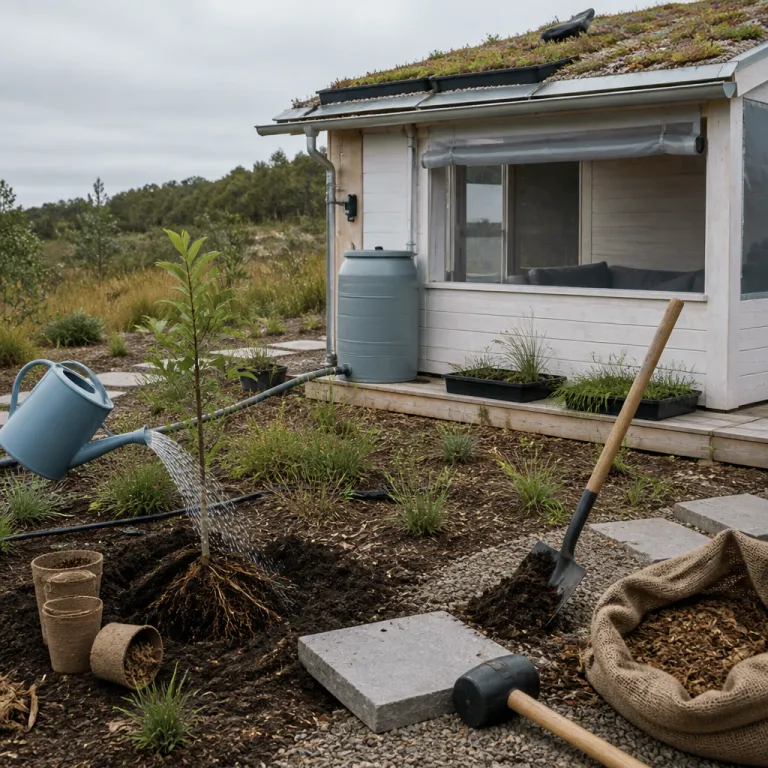
From sustainable camping to regenerative thinking
Luxury travelers are moving beyond basic sustainable camping and asking a sharper question. They want a regenerative campground where low-impact, eco friendly camping is only the baseline and the real story is how each stay actively heals the surrounding environment. This shift is reshaping premium camping planning, pricing and even what counts as a five star campsite in the wild.
At its core, a regenerative campground is a place where camping practices are designed to improve soil health, restore native plants and protect local wildlife rather than simply reduce impact. Definitions from groups such as the Global Sustainable Tourism Council and the Regenerative Travel Alliance converge on a simple idea: a regenerative campground is “a campground that improves land health through sustainable practices” and “restores ecosystems and promotes biodiversity.” These principles now guide how operators invest in renewable energy, water systems, waste management and low impact infrastructure that respects every curve of the land.
For couples used to hotels, the language can feel abstract, yet the experience on a camping trip is anything but. You see it in the way recycling facilities sit beside clearly labeled recycling bins, in the quiet hum of solar panels instead of generators and in composting toilets that smell of pine rather than chemicals. You feel it when campers enjoy dark skies, clean water and a silence broken only by wind and wildlife, because energy consumption, trash and noise are all treated as design problems rather than inevitable side effects of camping eco escapes.
What regeneration looks like on the ground
Regenerative operators start with the land, not the marketing copy. On working farm stays such as White Oak Pastures in Georgia, the diversified agriculture model blends camping with regenerative grazing, so every tent pitch and campsite is part of a wider mosaic of rotating livestock, native grass restoration and wildlife corridors. According to the farm’s publicly reported life cycle assessment, its soils now hold significantly more organic matter than neighboring conventional fields, meaning the ground under campers’ feet is quietly gaining carbon and life.
Elsewhere, former extraction or industrial sites are being converted into calm campgrounds where sustainable practices are visible in every line of the map. Trails are routed to protect fragile slopes, camping areas are clustered to limit the environmental footprint and water is slowed through wetlands rather than rushed into culverts. In several documented projects, dozens of acres of previously disturbed ground now support recovering forest and wetland habitat. These are not cosmetic eco friendly gestures; they are structural decisions that let the environment recover while campers enjoy lake views and starry nights.
On western ranchlands, some operators use bison or cattle to regenerate prairie while offering low density camping that feels both wild and curated. Here, regenerative campground practices mean your camping gear sits beside hoof prints instead of tire tracks, and your water bottles are refilled from carefully monitored wells that protect aquifers. One guest described it simply: “We woke up to bison grazing in the distance and realized our stay was helping this grassland come back to life.” For couples comparing luxury eco conscious campsites, guides such as the dedicated feature on premium eco friendly campgrounds help decode which properties are genuinely sustainable and which simply talk about being green.
Designing eco friendly infrastructure that actually heals land
Regenerative campground design starts with mapping how water, wildlife and people already move across the terrain. Instead of carving new scars, planners place each campsite, path and recycling point where it will have the least impact on the environment and the greatest benefit for soil and habitat. This kind of planning is slower and more expensive at first, but it pays back in lower erosion, less maintenance and a calmer guest experience.
Energy systems follow the same logic, with solar arrays sized to match real energy consumption rather than a marketing headline about renewable energy. Many regenerative camping projects pair solar with battery storage, so campers enjoy quiet nights without generators and the surrounding environment stays free from constant noise. When a campground uses renewable energy for lighting, hot water and shared kitchens, the reduction in emissions becomes part of the luxury story, not a compromise.
Waste and water management are where the difference between basic sustainable camping and truly regenerative eco design becomes obvious. Composting toilets turn what used to be waste into a soil building resource, while greywater is filtered through reed beds that double as habitat for local wildlife. In the camp kitchen, low waste systems and guidance such as the detailed framework in the zero waste camp kitchen guide help couples reduce trash, use biodegradable soap and keep microplastics out of streams.
Guest participation and the evolution of Leave No Trace
Regenerative operators know that design alone is not enough; campers must be part of the system. The classic Leave No Trace ethic asked guests to minimize their impact, but regenerative campground practices invite them to leave each place slightly better than they found it. That might mean joining a native planting session, helping maintain a wildlife corridor or simply following clear guidance on recycling, water use and respectful behavior around animals.
Many premium campgrounds now provide structured ways for campers to engage without feeling like unpaid labor. Short, well briefed activities fit easily into a romantic camping trip, such as an hour of invasive species removal followed by a wine tasting at the farm store or a guided walk that explains how composting toilets, recycling facilities and careful trail design reduce impact on the environment. When these experiences are framed as part of the stay, not an optional lecture, eco conscious couples tend to embrace them.
On the practical side, guests are encouraged to bring reusable water bottles, durable camping gear and biodegradable soap to keep streams clean. Clear signage around recycling bins, waste sorting and energy consumption in shared spaces turns everyday camping into a quiet choreography of good habits. Over time, this approach shifts Leave No Trace from a defensive posture to a positive culture where campers enjoy knowing their presence supports the environment rather than simply avoiding harm.
How to book a truly regenerative campground, not greenwashing
For travelers used to hotel booking engines, the regenerative campground landscape can feel opaque. A luxury listing might mention eco friendly features, but the difference between light green marketing and deep regenerative practices is rarely obvious at first glance. This is where specialized platforms and detailed property profiles become essential for couples who want sustainable camping without sacrificing comfort.
Start by looking for specific, measurable commitments rather than vague language about being eco conscious. Serious operators will describe their water systems, renewable energy mix, composting toilets, recycling facilities and habitat restoration work in concrete terms, often with maps or data. Industry reporting on how RV and luxury campsite trends are evolving shows a clear move toward standardized sustainability metrics, which makes comparisons easier for guests.
Next, read how the campground talks about the surrounding environment, local wildlife and community relationships. Regenerative sites usually reference partnerships with environmental organizations, local farm suppliers or national park authorities, and they explain how camping practices reduce trash, protect water and limit impact on the environment. When a property invites campers to join restoration work, explains its approach to waste and energy consumption and treats sustainable camping as a shared responsibility, you are far more likely to be booking a place that truly leaves the land better than it found it.
Luxury, pricing and the business case for regeneration
Regenerative campground sustainable camping is not a charity project; it is a business model that increasingly makes financial sense. Upfront investments in solar power, water harvesting, composting toilets and durable paths reduce long term maintenance costs and protect the very landscapes that attract high paying guests. For couples choosing between a standard campground and a regenerative site, the premium often reflects infrastructure that quietly works in the background to safeguard the environment.
Operators also benefit from a growing segment of travelers who actively seek eco friendly and eco conscious stays. Research from organizations such as Booking.com and the World Travel & Tourism Council on U.S. travel behavior shows that a significant majority of travelers now value sustainable travel, and many are influenced by climate related news when planning trips, which directly supports properties that can prove their environmental impact. When a campground can show that its practices restore soil, protect water and support local farm economies, it gains pricing power and loyalty that a basic camping operation cannot match.
For guests, the luxury is felt in small, thoughtful details rather than gold plated fixtures. Quiet nights powered by renewable energy, clean facilities that handle waste without odor, trails that feel wild yet safe and a sense that your camping trip is part of a larger restoration story all add up to a richer experience. In this context, paying a little more for eco friendly camping that protects local wildlife, reduces trash and keeps national park style landscapes intact feels less like a surcharge and more like a fair share in the ongoing work of regeneration.
FAQ
What is a regenerative campground in practical terms ?
A regenerative campground is a property where camping infrastructure and operations are designed to improve land health over time. That includes restoring native vegetation, building soil, protecting water quality and creating safe corridors for local wildlife. The goal is not only to offer sustainable camping but to ensure that every season leaves the environment more resilient than before.
Are regenerative campgrounds more expensive than regular campsites ?
Prices vary, but many regenerative campgrounds charge a modest premium that reflects higher quality infrastructure and lower environmental impact. Investments in solar power, composting toilets and durable paths cost more initially yet reduce long term maintenance, which can stabilize rates. Couples often find that the quieter atmosphere, cleaner facilities and richer nature experiences justify the extra cost.
How can I tell if a campground is genuinely regenerative and not greenwashing ?
Look for detailed descriptions of water systems, renewable energy, waste management and habitat restoration rather than generic eco friendly claims. Genuine operators explain their practices clearly, often mentioning recycling facilities, composting toilets, native planting and partnerships with environmental groups or nearby national park authorities. Reviews that highlight clean water, healthy wildlife and well maintained trails are another strong indicator.
Can guests participate in regenerative activities during their stay ?
Many regenerative campgrounds invite guests to join short, optional activities that support restoration work. Typical options include planting native species, helping maintain trails, monitoring wildlife or learning how on site recycling and waste systems reduce impact on the environment. These experiences are usually designed to fit easily into a camping trip without feeling like hard labor.
What should I pack for an eco conscious, regenerative camping trip ?
For a regenerative focused stay, prioritize durable camping gear, reusable water bottles and biodegradable soap for washing. Pack light, avoid single use plastics and plan meals that minimize trash, especially if you are staying near a sensitive national park or wildlife area. Following Leave No Trace principles and any extra guidance from the campground will help ensure your visit supports the surrounding environment.