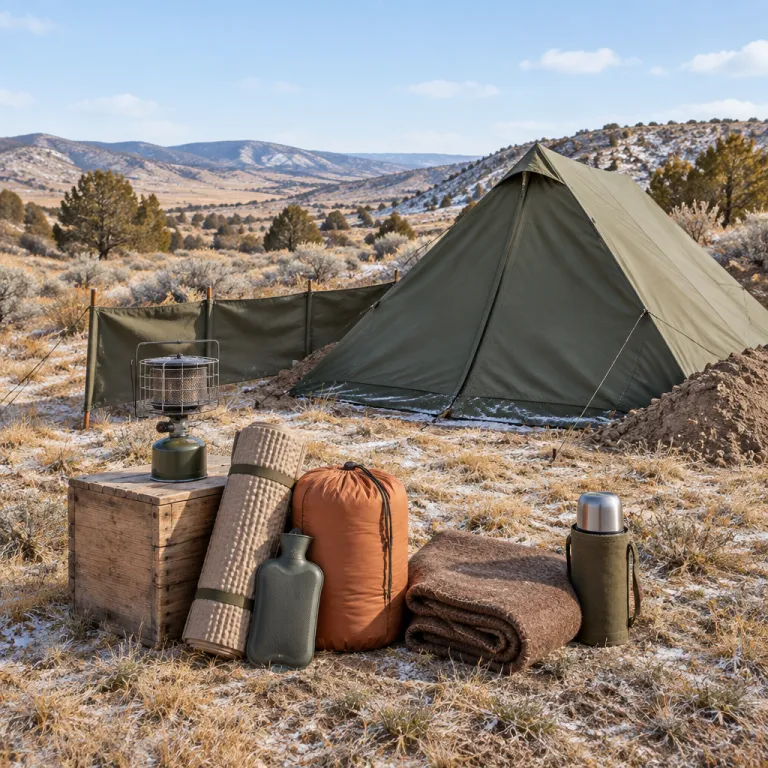
Off grid camping heat without a campfire on luxury pitches
Off grid camping heat without a campfire starts with the pitch you choose. On a premium campsite booking platform, filter for insulated cabins, four season tent platforms, and sheltered winter camping terraces that naturally keep warm air around your sleeping area. A carefully oriented tent or canvas lodge facing away from prevailing wind will help reduce heat loss before you even unpack a heater.
Many luxury tent camping sites now specify R-value data for their provided mats, because the ground steals more heat than the air above you. When you browse a high end listing, look for double layer flooring, raised decks at least 30 centimeters off the soil, and integrated ground insulation that supports off grid camping heat without a campfire on genuinely cold nights. Hosts who understand winter camping usually mention heating options clearly, from safe propane heaters to access to electric hookups at a nearby service point.
Think of your tent or canvas suite as a passive heating system, not just a shelter. A smaller tent with a low ceiling keeps warm air closer to your sleeping area, while a sprawling glamping dome can feel elegant yet hard to heat in cold weather. When you book, ask whether the tent walls use insulated fabric, how many vents can be closed manually, and whether the doors seal tightly enough to keep the night air from creeping across the floor.
Luxury off grid camping heat without a campfire also depends on how the property manages wind and exposure. Tree belts, rock outcrops, and snow fences can keep gusts from stripping heat away from your tent camping platform. A host who has mapped wind patterns and positioned pitches accordingly will help you stay warm with less reliance on any heater or stove.
For travelers used to hotel comfort, the right campsite can narrow the gap dramatically. Some premium sites provide prewarmed sleeping areas with hot water bottles placed before arrival, which is a low tech but highly effective heating option. Others offer shared lounges with efficient combustion stoves, so you can warm up fully before returning to your tent for the night.
If you prefer spa style comfort in the cold, consider pairing your off grid camping heat without a campfire strategy with a stay that includes private tubs or saunas. Properties featured in guides to glamping and hot tub escapes in nature often combine strong insulation, thoughtful heating, and restorative hot water rituals. That blend of design and engineering lets you enjoy winter camping air and stars without shivering through the small hours.
Insulation first: how the ground and air steal your heat
Every luxury campsite listing talks about views, but very few explain how the ground beneath your tent will drain your heat. Soil, rock, and damp timber conduct warmth away from your sleeping area far faster than the air above, which is why a high R-value sleeping pad matters more than a thicker sleeping bag. When you plan off grid camping heat without a campfire, start by checking whether your chosen site includes insulated pads or recommends specific R-value ranges for cold weather stays.
For subzero nights, aim for a combined R-value of at least 4.5 under each sleeper, using either a single high performance pad or a foam and inflatable stack. Many premium tent camping platforms now let you request extra pads or wool rugs, which will help reduce heat loss through conduction and make any small heater far more efficient. If the campsite offers wooden decks, ask whether they sit above open air or solid ground, because a ventilated platform can feel colder unless you add extra insulation.
Air movement is the second major thief of heat. Even without a campfire, your off grid camping heat without a campfire strategy must address wind, convection, and drafts around zips and seams. A well tensioned tent with a full fabric inner, snow skirts, and adjustable vents can keep warm air circulating gently instead of letting cold gusts sweep through your sleeping area.
At higher elevations, thin air complicates both heating and combustion based systems. Before booking a dramatic ridge top yurt or glass walled pod, read technical advice such as the guidance on camping above the treeline at 8 000 feet and higher. Some propane heaters and wood stoves perform poorly in low oxygen environments, which can increase carbon monoxide risk and reduce overall heat output.
Luxury operators who understand these physics often design multi layer insulation into their structures. You might see double walled canvas, insulated ground sheets, and interior wool linings that trap warm air where you need it most. These features reduce the workload on any heater, whether it runs on propane, battery power, or a central power station hidden discreetly behind the service block.
For guests, the practical takeaway is simple. When you compare premium pitches on a booking site, treat insulation details with the same seriousness you give to thread count in a hotel suite. A well insulated tent or cabin will keep you staying warm with less energy, fewer heaters, and a quieter, more restful night.
Sleeping systems: bag ratings, liners, and vapor management
Once the ground and air are under control, your sleeping system becomes the next layer in off grid camping heat without a campfire. Sleeping bag temperature ratings can be confusing, especially when luxury campsites advertise plush duvets without mentioning their true performance in cold weather. For serious winter camping, look for bags rated at least 5 degrees Celsius below the coldest expected night, then add a liner to fine tune comfort.
Many high end tent camping providers now offer premium down or synthetic bags as part of their adventure packages. Ask whether those bags are comfort rated or limit rated, because only the comfort rating reflects what an average sleeper will experience. A silk or fleece liner will help extend the range by several degrees, keep the bag cleaner, and reduce the need for extra heating options such as a propane heater or electric blanket.
Moisture management is where experienced outfitters quietly earn their reputation. When you sleep, your body releases water vapor that can migrate into insulation, freeze, and increase heat loss over multiple nights. In very cold weather, some expedition style setups use vapor barrier liners to keep that moisture close to the skin layer, but for most luxury guests, careful venting of the tent and regular airing of bedding will help more than complex systems.
Clothing inside the bag matters as much as the bag itself. Guides on the fall camping wardrobe and layering for big temperature swings explain why dry base layers, wool socks, and a light hat can keep warm air trapped efficiently. Overdressing with bulky jackets inside the bag can compress insulation and reduce overall heat, which is the opposite of what you want on a cold night.
Thoughtful luxury campsites sometimes provide hot water bottles as part of turndown service in canvas suites. Filling a durable bottle with hot but not boiling water and placing it near your core or feet will help preheat the sleeping area without any combustion or battery power. This simple ritual supports off grid camping heat without a campfire while feeling indulgent rather than survivalist.
For guests who prefer familiar hotel style bedding, ask the host how duvets perform in their specific climate. A thick down comforter can be glorious in dry cold air, but in damp river valleys it may absorb moisture and lose loft over several nights. Combining a moderate duvet with a technical sleeping bag or liner gives you flexible layers that adapt as temperatures shift between evening drinks and the coldest hour before dawn.
Safe heat sources under fire bans: propane, combustion, and carbon monoxide
When open flames are banned, off grid camping heat without a campfire becomes a question of controlled combustion and strict safety. Many luxury campsites respond by offering catalytic propane heaters or flued wood stoves that vent exhaust outside the structure. As a guest, your priority is to understand how each heater works, where the combustion gases go, and how carbon monoxide is monitored.
Unvented propane heaters can feel tempting because they produce instant warm air, but they also generate water vapor and carbon monoxide. In a tightly sealed tent or small cabin, that combination can be dangerous, which is why responsible operators either avoid unvented propane heaters indoors or pair them with fixed carbon monoxide alarms and clear operating manuals. If a host cannot explain their safety protocol in detail, treat that as a red flag and rely on insulation and non combustion heating options instead.
Vented wood stoves and compact wood stove installations remain popular in high end canvas lodges. These systems route smoke and combustion gases outside through a flue, while the stove body radiates heat into the sleeping area. When installed correctly with spark arrestors and proper clearances, a wood stove can keep you staying warm through a long winter camping night without violating fire bans that target open campfires.
Some premium properties integrate central heating powered by a remote power station or electric grid, then distribute warm air through discreet ducts. This approach removes combustion from the tent entirely, leaving only quiet vents and thermostats for guests to adjust. If electric hookups are available at your pitch, you may be able to use low wattage electric heaters that are specifically rated as heater safe for enclosed spaces.
Always read the heater manual provided by the campsite, even if staff offer a quick demonstration. The manual will help you understand ventilation requirements, maximum run times, and where not to place clothing or gear. Never dry wet socks or gloves directly on a propane heater or wood stove, because that can block vents, increase carbon monoxide production, and create a fire hazard.
Luxury does not mean ignoring basic safety. Ask whether the tent or cabin includes a carbon monoxide detector with a fresh battery, a fire extinguisher, and a clear exit route that you can reach in the dark. Off grid camping heat without a campfire should feel quietly efficient, not anxious, and a well briefed guest is part of that calm system.
Battery power, portable power stations, and electric heating limits
Many travelers arrive at premium campsites with ambitious plans for battery powered comfort. Heated blankets, electric heaters, and fan systems all promise off grid camping heat without a campfire, but physics and battery chemistry set hard limits. Cold weather reduces battery capacity significantly, so a power bank that runs a device for eight hours at home might last only five hours at freezing temperatures.
Luxury operators who understand this rarely rely on small batteries for primary heating. Instead, they may provide a large portable power station with clear watt hour ratings, then suggest specific uses such as prewarming a bed for thirty minutes or running a low draw heater on its lowest setting. This transparency will help you plan your night, because you can calculate how much power remains for lights, phones, and cameras after any heating load.
Electric resistance heaters draw substantial power, which makes them poor candidates for long off grid use unless a campsite offers robust electric hookups. A compact 500 watt heater running for six hours consumes 3 kilowatt hours, which would drain many portable power stations completely. For off grid camping heat without a campfire, it is usually smarter to invest in insulation, high R-value pads, and efficient sleeping systems, then reserve battery power for targeted comfort such as heated mattress pads or boot dryers.
Some high end properties experiment with low voltage heating elements integrated into mattresses or seating. These systems spread heat over a larger area at lower temperatures, which can feel luxurious while drawing less power than a traditional heater. Ask the host how these systems behave in cold air, whether the batteries remain indoors when charging, and how long they typically last through a winter camping night.
When you bring your own gear, read every manual carefully and check the continuous power draw against the capacity of your batteries. Lithium batteries perform better than older chemistries in cold weather, but they still lose efficiency and should not be charged below manufacturer specified temperatures. Storing batteries inside your sleeping area, rather than in a cold vestibule, will help preserve capacity and keep critical devices functioning.
Think of battery power as a precision tool rather than a central furnace. Use it to preheat a sleeping bag, run a small fan to distribute warm air from a safe heater, or power a carbon monoxide detector and emergency lighting. That mindset aligns perfectly with luxury off grid camping heat without a campfire, where quiet engineering supports comfort instead of overwhelming the landscape with generators and cables.
Clothing, layering, and shelter choices that trap warmth lightly
What you wear and where you sleep can transform off grid camping heat without a campfire from a technical puzzle into a simple routine. Luxury campsites increasingly provide detailed packing lists, but it still pays to think in terms of systems rather than single garments. A well planned layering strategy lets you adjust quickly as temperatures slide from sunny afternoons to subzero night air.
Start with moisture wicking base layers that keep sweat away from your skin. Add insulating mid layers such as fleece or light down, then finish with a windproof and water resistant shell that you can vent easily. This combination will help you stay warm while moving around camp, then transition smoothly into your sleeping area without trapping damp air inside your bag.
Hands, feet, and head deserve special attention in cold weather. Pack thin liner gloves under insulated mittens, wool socks with room to wiggle toes, and a hat that covers ears without slipping over your eyes. Many premium tent camping sites offer heated communal spaces where you can adjust layers gradually rather than shocking your body by stepping straight from a hot stove into freezing air.
Shelter design also shapes how effectively your clothing works. A tall bell tent feels romantic, but it can collect warm air far above your head unless you use inner liners or canopies to lower the effective ceiling. Smaller tunnel tents or insulated pods keep warm air closer to your body, which reduces the need for powerful heaters and supports off grid camping heat without a campfire on long trips.
Look for shelters with vestibules or porches where you can remove wet outer layers before entering the main sleeping area. This simple architectural detail will help keep condensation and damp gear away from your bedding, preserving loft and reducing heat loss overnight. Some luxury operators even provide drying rooms or heated gear lockers, which feel like a hotel ski room transplanted into the forest.
Finally, remember that elegance and function can coexist. A wool blanket draped over a down bag, a felt boot liner inside a leather camp shoe, or a tailored insulated jacket hung by the door all contribute to both style and staying warm. The best premium campsites curate these details so that off grid camping heat without a campfire feels like a considered design choice rather than a compromise forced by regulations.
Designing adventure packages for off grid warmth on premium campsites
For a luxury and premium booking website, off grid camping heat without a campfire is not just a safety note ; it is a design principle for adventure packages. Guests who usually book hotels expect clear information, predictable comfort, and transparent pricing, even when they choose a remote tent camping experience. Curated winter camping itineraries that explain heating options, insulation levels, and power availability in plain language build trust before anyone clicks “reserve”.
An effective cold weather package might combine a four season tent on a raised insulated deck, a vented wood stove in a nearby lounge, and a set of preselected layers waiting in the tent. The listing should specify whether a propane heater is available, how carbon monoxide is monitored, and what backup heating exists if the primary system fails. Clear notes about battery power, portable power stations, and any electric hookups will help guests decide whether to bring their own heaters or rely on the campsite’s infrastructure.
Adventure focused guests appreciate honest limits. A well written package description might explain that off grid camping heat without a campfire relies on high R-value pads, double walled tents, and hot water bottle rituals rather than all night electric heaters. It can also outline when staff will help light a wood stove in a shared space, how long warm air lingers after the last log, and what manual controls guests can adjust themselves.
From an operational perspective, standardizing safe equipment across properties simplifies training and maintenance. Choosing a single family of propane heaters, specifying identical carbon monoxide detectors, and using consistent wood stove models means every staff member can run the same safety checks. Guests benefit because every heater manual, every safety briefing, and every emergency plan feels familiar, even when they move between different campsites in the same portfolio.
Thoughtful extras elevate these packages from practical to memorable. A short evening workshop on staying warm, where staff explain heat loss, demonstrate how to keep a tent ventilated yet cozy, and show how to position a heater safe distance from gear, turns technical details into part of the experience. Guests leave not only rested but more confident about managing off grid camping heat without a campfire on future independent trips.
For a platform like campsitestay.com, highlighting these engineered comforts alongside scenery and design creates a more honest form of luxury. The promise is not just a beautiful tent under the stars, but a sleeping area where the air feels calm, the batteries last the night, and the only chill you notice is the one you choose to meet at the door before stepping back into warmth.
Key figures on cold weather camping comfort and safety
- Studies from outdoor gear testing organizations show that upgrading from an R-value 2 sleeping pad to an R-value 5 pad can reduce perceived nighttime cold by the equivalent of adding a full sleeping bag temperature class, which means many campers can stay comfortable at temperatures 5 to 10 degrees Celsius lower without extra heaters.
- Data from national fire safety agencies indicate that unvented combustion heaters are involved in hundreds of carbon monoxide incidents each year in recreational settings, underscoring why luxury campsites increasingly favor vented wood stoves, catalytic propane heaters with sensors, and electric systems where grid power is available.
- Battery manufacturers report that lithium ion batteries can lose 20 to 40 percent of their usable capacity at temperatures around 0 degrees Celsius compared with room temperature, which significantly shortens the runtime of heated blankets and portable heaters during winter camping.
- Outdoor industry surveys show that campers who use a structured layering system with moisture wicking base layers, insulating mid layers, and wind resistant shells report up to 30 percent fewer complaints about nighttime cold than those relying on single heavy garments, even when both groups use similar sleeping bags.
- Hospitality booking data from premium camping platforms reveal that clearly labeled winter ready tents and cabins, with specified insulation and heating details, achieve higher repeat booking rates than generic listings, suggesting that transparent information about off grid warmth directly influences guest satisfaction.
FAQ about off grid camping heat without a campfire
How can I stay warm off the grid when campfires are banned ?
Focus on insulation first by using a high R-value sleeping pad, a properly rated sleeping bag, and a well sealed tent or cabin. Combine these with safe heating options such as vented wood stoves, catalytic propane heaters with carbon monoxide detectors, or limited electric heating where power is available. Warm clothing layers and hot water bottles then fine tune comfort without relying on an open flame.
Are propane heaters safe to use inside a tent or canvas lodge ?
Only propane heaters specifically designed and certified for indoor or tent use, with proper ventilation and carbon monoxide monitoring, should ever be used in enclosed spaces. Many luxury campsites either install vented systems or restrict unvented propane heaters to well ventilated areas under strict guidelines. Always follow the heater manual, keep clear space around the unit, and never sleep with an unvented heater running continuously.
Can a portable power station run an electric heater all night ?
Most portable power stations cannot run a standard electric heater through an entire night, because resistance heaters draw high wattage that quickly drains batteries. A 500 watt heater running for six hours requires about 3 kilowatt hours, which exceeds the capacity of many compact units. Use battery power for short preheating periods, low draw heated pads, and essential electronics rather than as your primary heat source.
What should I look for in a luxury winter camping listing ?
Check for clear information about insulation, such as double walled tents, raised insulated floors, and high quality sleeping pads or mattresses. Look for detailed descriptions of heating systems, including whether they are vented, how carbon monoxide is managed, and what backup options exist. Transparent notes about power availability, electric hookups, and recommended clothing layers indicate a host who understands cold weather comfort.
Is a thicker sleeping bag always better for cold weather trips ?
A thicker sleeping bag helps, but it is only one part of the system. Without adequate ground insulation and a well sealed shelter, even a very warm bag can feel cold because of heat loss to the ground and moving air. Matching a properly rated bag with a high R-value pad, good tent design, and smart layering usually delivers better results than relying on bag thickness alone.