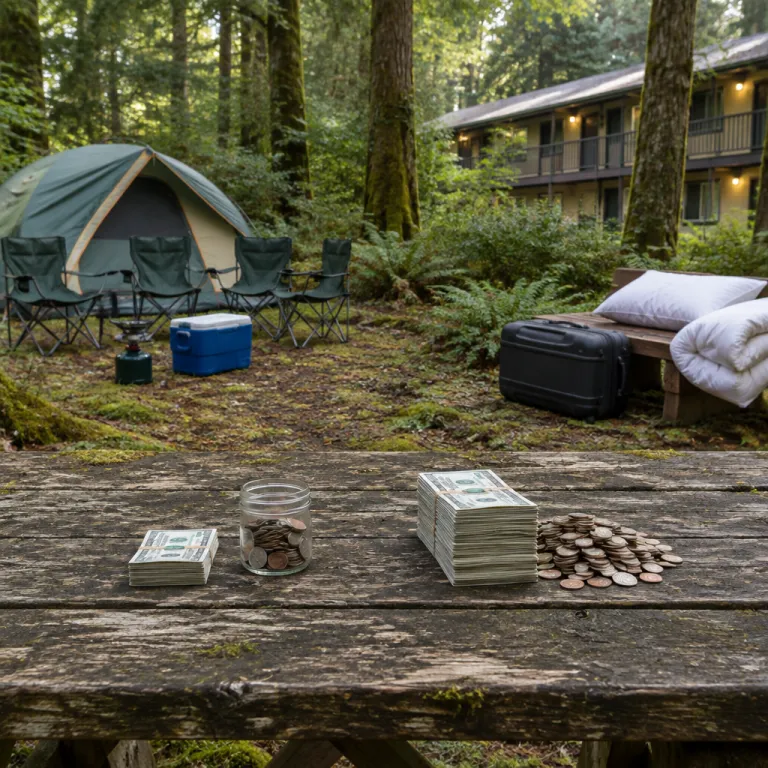
The real math of camping vs hotel cost for a family week away
For a Premium Family planning a week away, the camping vs hotel cost family question is less obvious than it looks. A hotel seems simple because one hotel room rate wraps the bed, the bathroom and often the pool into a single nightly cost, while a campground breaks the bill into site fees, camping gear and transport. When you compare hotels and campgrounds honestly, you see two very different cost curves that reward different kinds of trips.
Think of a standard city hotel near a major park where a family of four shares one or two hotel rooms for seven night stays. The headline cost is the nightly rate, but the real costs include parking for your truck or SUV, resort fees, breakfast, and the food costs of eating out every day of the trip. By contrast, a well run campground in a national park or state park usually charges a modest per night fee, then lets you control food, activities and add ons with far more flexibility.
On a first camping trip, the campground fee is only part of the cost because you also buy camping gear such as a family tent, sleeping pads, a stove and lighting. That makes camping cheaper only if you spread those costs over several road trips and more than one camping vacation, which is where the amortization curve matters. A luxury focused booking platform that compares hotel booking and campground booking side by side helps you see when a camp or cabin stay becomes more cost effective than multiple hotel stays for the same family.
Gear, cabins and the hidden costs that shape a camping experience
When families ask whether camping cheaper options really beat a hotel, they usually underestimate the camping gear bill. A solid family tent camping setup, with a weatherproof tent, quality sleeping bags and a reliable stove, can cost as much as several night stays in a mid range hotel, yet that same gear can support many camping trip adventures over time. The trick is to divide that initial cost by the number of trips you realistically plan to take as a family.
Hidden campground costs also matter because campgrounds offer more than just a patch of ground and a fire ring. Many campgrounds charge reservation fees, shower tokens, dump station access for a truck camper or RV, and premium add ons such as waterfront pitches or late checkout day passes. Before you book, read the fine print and learn the unwritten rules of quiet hours and campground etiquette that nobody explains at check in, because those details shape the value of your camping experience as much as the posted nightly rate.
Cabins change the equation again, especially for a Premium Family that wants comfort without paying for multiple hotel rooms. Basic cabin rentals in public campgrounds can be cost effective, but private cabin rentals with full cabin amenities, such as kitchens and ensuite bathrooms, often price closer to a hotel room while still requiring you to bring some camping gear. Luxury cabin types and glamping style cabins offer hotel like beds and heating, yet the cabins offer a more immersive park setting, so you need to weigh those cabin rental rates against the total costs of a comparable hotel stay nearby.
Food costs, activities and the daily rhythm of a family trip
Food is where the camping vs hotel cost family comparison often flips in favor of the campground. In a hotel, even a single hotel room with a mini fridge rarely lets you cook, so most families eat restaurant food for breakfast, lunch and dinner during a vacation. Those food costs add up quickly, especially in resort towns where a simple day of café stops and dinners can rival the nightly rate of the hotel itself.
At a campground, you invest once in a good cooler and basic camp kitchen gear, then your food costs drop because you cook most meals at camp. A Premium Family that plans menus, preps at home and uses the truck for a single big grocery run can keep a seven day camping trip food budget lower than three restaurant days on a city break. The trade off is time, because cooking at camp and cleaning up after meals are real activities that shape the rhythm of your camping vacation.
Activities also differ between a hotel and a campground, and they influence total costs as much as food. Many hotels charge extra for parking, kids clubs and resort activities, while campgrounds offer low cost or free activities such as ranger talks, hiking trails and lake access that fill a day without adding to the bill. Before you decide that camping cheaper options always win, factor in whether your family prefers structured hotel activities or unstructured park time, because that preference will determine whether you feel you received good value from either style of trip.
Comfort, kids and when a cabin or hotel makes sense
Comfort is the quiet variable in every camping vs hotel cost family debate, especially for parents traveling with young children. A hotel offers climate control, blackout curtains and sound insulation, which can mean better sleep for toddlers and exhausted adults after a long day of activities. That comfort has a cost, but for some families a predictable night of rest in a hotel room is worth more than saving money on a windy camp pitch.
Cabins sit between a tent and a hotel, and they can be a smart compromise for a Premium Family that wants nature without sacrificing sleep. Simple cabin rentals in a state park might offer bunks, electricity and basic cabin amenities, while higher end cabin types in private campgrounds offer ensuite bathrooms, heating and even hotel style linens. These cabins offer a quieter, more contained space than a tent camping setup, yet they still keep you close to the campground activities and the park trails that drew you to a camping trip in the first place.
Families with pets face another layer of decision making, because pet friendly policies vary widely between hotels and campgrounds. Many campgrounds offer pet friendly cabins and tent sites with clear rules, while some hotels either ban pets or charge steep nightly fees that inflate the total costs of a week long vacation. When you compare a pet friendly cabin rental with a similar hotel stay, include those pet fees and deposits in your spreadsheet, because they can erase the apparent savings of camping cheaper options if you choose the wrong property.
Road trips, transport and the true cost of getting to your stay
Transport quietly shapes the camping vs hotel cost family equation, especially in the United States where distances are long. A family driving a truck loaded with camping gear to a remote campground will spend more on fuel than a family flying to a city and taking a short transfer to a central hotel. Yet that same truck based road trip can unlock a string of low cost campgrounds and cabins along a scenic route, turning one vacation into several distinct stays.
For families who love road trips, the flexibility to mix a camp, a cabin and a hotel across one itinerary is often the most cost effective strategy. You might spend the first night in a highway hotel room to break up the drive, then shift into a week of tent camping in a national park campground where campgrounds offer low nightly fees and high value access to trails. On the way home, a single night in one of the more comfortable hotels near the park can reset everyone before the final drive, and the total costs still undercut a full week of multiple hotel stays.
Parking and local transport also differ between a hotel and a campground. Urban hotels sometimes charge high nightly parking fees for a truck or SUV, while rural campgrounds usually include parking in the site cost, though they may charge extra for additional vehicles or day visitors. When you read property reviews, use a critical lens and lean on guides that explain how to read campground reviews like a critic, because hidden parking and transport fees often appear in guest comments long before they appear in marketing copy.
Hidden gems: premium campgrounds that rival hotels on value
Some of the most interesting answers to the camping vs hotel cost family question sit in the hidden gems category. These are premium campgrounds and cabins in less obvious regions where the park setting is spectacular, the camping experience is refined and the nightly costs remain below comparable hotels. Think of shoulder season stays in desert regions, where guides such as the analysis of why fall turns the desert Southwest into America’s most comfortable campsite at this detailed seasonal guide help you time your trip for comfort and value.
In these places, campgrounds offer strong cabin amenities, thoughtful cabin types and well maintained tent camping areas that feel closer to a design forward retreat than a basic camp. Cabins offer proper beds, heating and sometimes even small hotel style touches, yet the cabin rentals remain cost effective because they sit outside the highest demand resort corridors. For a Premium Family, booking cabin stays in such hidden gems can deliver a luxury level atmosphere at a mid range price, especially when compared with multiple hotel nights in a nearby gateway town.
To find these properties, use a booking platform that lets you filter by pet friendly policies, cabin rental options, camping gear requirements and on site activities. Then compare the total costs of a week long camping trip, including add ons such as firewood and guided activities, with the full bill for a week in a hotel, including resort fees and food costs. When the numbers are close, let the setting decide, because a thoughtfully run campground in a quiet park can feel more indulgent than a crowded hotel if the sunset, the silence and the stars are part of what your family values.
How to run the numbers for your own family of four
To answer the camping vs hotel cost family question for your own household, start with a simple spreadsheet. List the nightly rate for each hotel you are considering, then add estimated food costs, parking, resort fees and any extra activities your family will realistically book during the vacation. Next, list each campground, cabin or camp you are considering, including nightly site or cabin rental fees, camping gear purchases, fuel for your truck and the food budget for cooking at camp.
For camping, treat gear as an asset that spreads across several trips rather than a one time hit. If you expect to take three camping trip adventures over the next few years, divide the total gear cost by three and assign that portion to each vacation, which shows when camping cheaper options truly become cost effective. Do the same with cabin rentals by comparing basic cabin types with more luxurious cabins offer, and then compare those totals with the cost of multiple hotel stays in similar destinations.
Finally, factor in your family’s tolerance for weather, noise and shared spaces, because value is not only about money. A week of tent camping in a windy park might be cheap on paper but feel expensive in energy, while a calm cabin with strong cabin amenities could justify a higher nightly cost. A clear, honest comparison that includes both financial costs and comfort levels will show whether a hotel, a campground or a mix of both will give your Premium Family the best possible week outdoors.
Key figures that shape the cost of a family week away
- According to the American Hotel & Lodging Association, average daily rates for U.S. hotels have risen significantly over the past decade, which means a family of four now often pays mid to high double digit amounts per night for a standard hotel room in popular leisure destinations.
- National Park Service data shows that many front country campgrounds in U.S. national parks still charge low double digit nightly fees for standard tent sites, keeping base campground costs well below typical hotel rates in nearby gateway towns.
- Consumer surveys from outdoor retailers indicate that a complete family tent camping kit, including a tent, sleeping bags, pads and a stove, usually costs the equivalent of several nights in a mid range hotel, but that same kit can support many camping trips over several years.
- Research from travel industry analysts consistently finds that self catering trips, where families cook most meals, reduce total vacation food spending compared with hotel based stays that rely heavily on restaurants and room service.
- Studies of road trip behavior in the United States show that families who combine camping, cabins and occasional hotel nights on a single itinerary often achieve lower average nightly accommodation costs than those who rely solely on hotels for every night of a long journey.
FAQ
Is camping really cheaper than staying in a hotel for a family of four ?
Campsite stays are usually cheaper per night than hotels once you already own basic camping gear and use it for several trips. The first camping vacation can be more expensive because you buy tents, sleeping bags and cooking equipment, so you need to spread that cost over future trips. For a family of four that camps regularly, the average nightly cost often falls well below comparable hotel rates in the same region.
How many trips does it take for camping gear to pay for itself ?
The break even point depends on how much you spend on gear and where you camp. A mid range family tent setup that costs the equivalent of several hotel nights usually pays for itself after two or three week long camping trips in places where campground fees are modest. If you buy very high end gear but only camp once, a hotel might remain the better value.
Are cabin rentals a good compromise between camping and hotels ?
Cabin rentals often provide a smart middle ground for Premium Families who want comfort and nature together. Basic cabins in public campgrounds can be only slightly more expensive than tent sites, while offering beds, electricity and weather protection that young children and tired parents appreciate. Higher end cabin types in private parks may cost closer to hotels, but they usually deliver more space, kitchen facilities and a stronger sense of place.
How do food costs compare between a camping trip and a hotel stay ?
Food costs are usually lower on a camping trip because you cook most meals yourself using a cooler and a simple camp kitchen. In hotels, especially in resort areas, families tend to rely on restaurants and room service, which quickly increases the daily budget. Over a week, the savings from self catering at a campground can offset a significant portion of your accommodation costs.
When does it make sense to choose a hotel instead of camping with kids ?
A hotel makes sense when predictable comfort, climate control and easy sleep routines matter more than saving money. Families with very young children, limited vacation time or low tolerance for bad weather often find that a hotel’s higher nightly rate is justified by better rest and simpler logistics. In those cases, mixing a few hotel nights with shorter camping or cabin stays can balance cost, comfort and the desire to spend time outdoors.