Reading campground maps for real campsite privacy and spacing
On a luxury camping platform, the first clue to campsite privacy site spacing usually hides in the campground map. A refined map shows individual campsite shapes, tree clusters, and the distance between each site, which lets couples judge whether their camping experience will feel intimate or exposed. When you compare several campsites at the same price, focus less on the icon for a tent or camper and more on how much space surrounds that symbol.
Look for dead end loops rather than through roads, because a cul de sac layout naturally reduces foot traffic and golf cart noise near your outdoor living area. In premium campgrounds, the best loops often place each campsite on the outside edge, with the living area facing forest or water instead of other campers. When a campground map shows sites packed tightly around a central circle, you can expect less camper privacy and more headlights sweeping across your tent at night.
Maps that mark parking pads, fire pits, and awning zones help you read how people will actually use the space. If the parking for one campsite sits very close to the fire pits of another, your romantic evening may share every joke from next door. On a high end booking website, zoom in on the map to see whether campsites are staggered or aligned, because staggered sites usually create better campsite privacy and a softer acoustic buffer.
Tree buffers, vegetation, and natural privacy screens
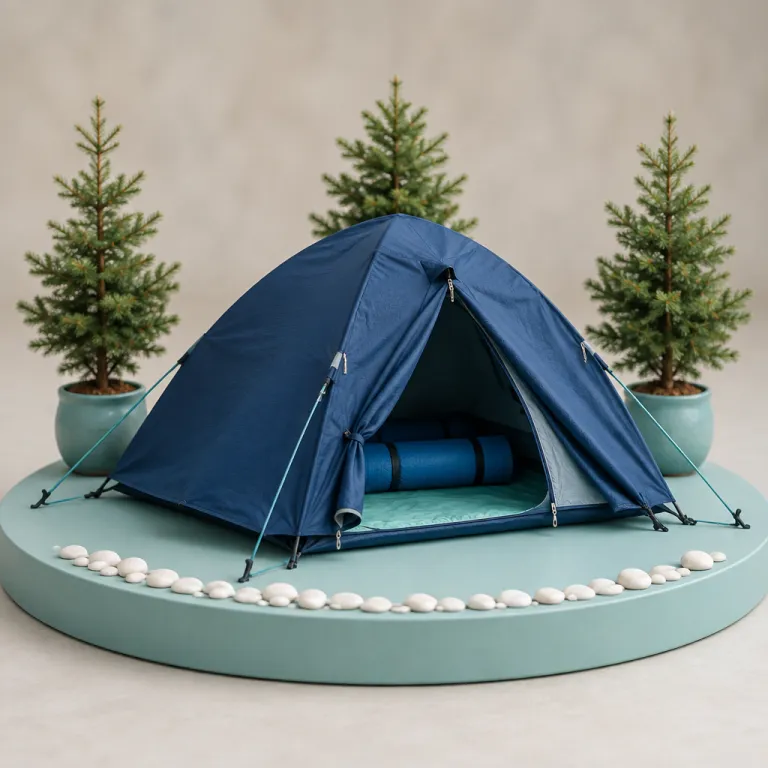
Vegetation is the quiet luxury of any campsite, and tree buffers often matter more than marble bathhouses. When you study photos on a premium camping platform, check whether each site has hedgerows, shrubs, or small tree stands between living areas, because these natural privacy screens do more for camper privacy than any long list of amenities. A campsite framed by mature trees on three sides can feel like ultimate privacy even inside a busy campground.
Couples who enjoy tent camping should pay close attention to ground cover and undergrowth, since low shrubs block sightlines at seated eye level. In wooded state parks, the best campsites often sit slightly above or below the main loop, using terrain and vegetation to create a natural privacy setup without artificial awning walls. When you see wide open grass with tents lined up in rows, you are looking at a fishbowl, not a retreat, no matter how elegant the camp store may appear.
Luxury oriented campgrounds sometimes combine landscaping with thoughtful campsite privacy site spacing, planting new trees between sites to shape future seclusion. For couples considering a refined mountain retreat in a cabin rather than a tent, the same rules apply, and you can use an elegant cabin with a jacuzzi guide to compare how properties handle tree buffers and outdoor living zones. Whether you choose car camping, a camper, or a small cabin, prioritize sites where vegetation shields your living area from direct views of neighboring campsites and shared water points.
Perimeter pitches, back in sites, and the acoustic side of privacy
Where a campsite sits within the overall campground layout often decides whether you sleep deeply or count every closing car door. Perimeter sites and back in pads usually offer better campsite privacy because one side faces woodland, a field, or water instead of another ring of campers. When a booking website lets you filter for perimeter locations, treat that as a premium amenity, not a minor detail.
The acoustic side of privacy matters as much as visual separation, especially for couples seeking a quiet camping experience. Choose campsites that sit away from bathhouses, dumpsters, and the camp store, because these areas concentrate foot traffic, golf cart movement, and late night conversations. If a map shows your site very close to the main entrance, expect more engine noise, more headlights, and less chance of ultimate privacy after dark.
Back in sites at the far end of a loop often shield the living area from passing cars, while pull through sites near the road trade privacy for easy access. Remote workers booking a long stay should study layouts with the same care they give to Wi Fi, and a resource on the workation campsite trend can help frame those trade offs. Whether you favor full hookup pads for a large camper or minimalist tent camping, aim for a site where the quiet side of your camp faces away from the campground road and communal amenities.
How premium campgrounds design for seclusion and comfort
High end campgrounds treat campsite privacy site spacing as a core design principle rather than an afterthought. Instead of squeezing more sites into every area, they reduce density, angle pads, and use landscaping to carve out distinct outdoor living rooms for each camp. On a luxury booking website, you can often see this in aerial photos where campsites appear as individual pockets of space, not a grid of identical rectangles.
Thoughtful design shows up in the details of each site, from the placement of fire pits to the orientation of awning zones. A well planned pad lets a camper extend an awning and even add awning walls without encroaching on a neighbor’s living area or parking, which keeps both visual privacy and safety intact. In the best campgrounds, full hookup utilities sit on the side away from your seating area, so hoses and cables do not dominate the view from your tent or camper door.
Premium properties also consider how couples move through the campground, routing most foot traffic along secondary paths that bypass the most secluded campsites. When you plan a long weekend using a guide to lock down a late season camping weekend, look for photos that show generous space between sites and clear separation of parking from relaxation zones. True luxury in camping emerges when you can sit by the fire pits, hear only the wind in the trees, and feel that your campsite privacy has been designed, not improvised.
Balancing privacy, convenience, and style for couples and families
Not every traveler wants the same level of seclusion, and campsite privacy site spacing always involves trade offs. Couples on a romantic escape often prioritize ultimate privacy, choosing campsites at the edge of campgrounds or even dispersed camping areas where only a few sites share the landscape. Families, by contrast, may accept less camper privacy in exchange for easy access to playgrounds, water points, and shared amenities.
Car camping near a bathhouse and camp store can feel practical with children, while the same area may feel busy and exposed for two adults seeking quiet. Backcountry camping or remote tent camping in state parks offers more space and fewer neighbors, but you give up full hookup services, quick parking, and sometimes even marked camp roads. Dispersed camping areas often lack defined sites, so couples must create their own privacy setup using distance, terrain, and portable privacy screens.
Luxury booking platforms now highlight both convenience and seclusion, allowing you to filter for campsites with generous space, limited foot traffic, and strong camper privacy. When you compare sites, imagine where you will place your tent, how your awning will extend, and whether your living area faces trees or another camp. The best match is the one where your preferred balance of privacy, comfort, and amenities aligns with the physical reality of the campground, not just the marketing language.
FAQ
How can I tell if a campsite will feel private before I book ?
Study the campground map and photos together, looking for generous spacing between sites, tree buffers, and perimeter locations. Check how close your chosen site sits to roads, bathhouses, and the camp store, because these areas increase noise and foot traffic. When possible, choose dead end loops or outer ring campsites where your living area faces woodland or open space instead of other tents and campers.
Are perimeter and back in sites always better for privacy ?
Perimeter and back in sites often provide better campsite privacy because one side usually faces natural scenery rather than another row of campsites. However, some perimeter pads may sit close to busy roads or entrances, which can reduce acoustic privacy. Review the full campground layout and any available photos to confirm that your chosen perimeter site actually backs onto quiet terrain.
What should couples prioritize when choosing a campsite on a luxury platform ?
Couples should prioritize spacing, vegetation, and orientation over purely cosmetic amenities. Look for campsites with clear separation between parking and the living area, strong tree or shrub buffers, and minimal direct sightlines to neighboring fire pits. If you value quiet evenings, choose sites away from playgrounds, communal gathering areas, and main circulation roads.
How does dispersed camping compare to developed campgrounds for privacy ?
Dispersed camping usually offers more space and fewer neighbors, which can create a strong sense of ultimate privacy. However, these areas often lack defined sites, full hookup services, and structured amenities, so you must manage your own privacy setup and comfort. Developed campgrounds trade some seclusion for convenience, but well designed luxury properties can still deliver excellent camper privacy through thoughtful site spacing and landscaping.
Is it worth paying more for a larger campsite with extra space ?
Paying more for a larger campsite often makes sense if you value quiet, comfort, and a refined camping experience. Extra space allows you to position your tent, awning, and outdoor seating to maximize privacy and views while keeping a comfortable distance from neighboring campsites. For couples on a special trip, that added buffer can turn an ordinary camp into a genuinely restful retreat.