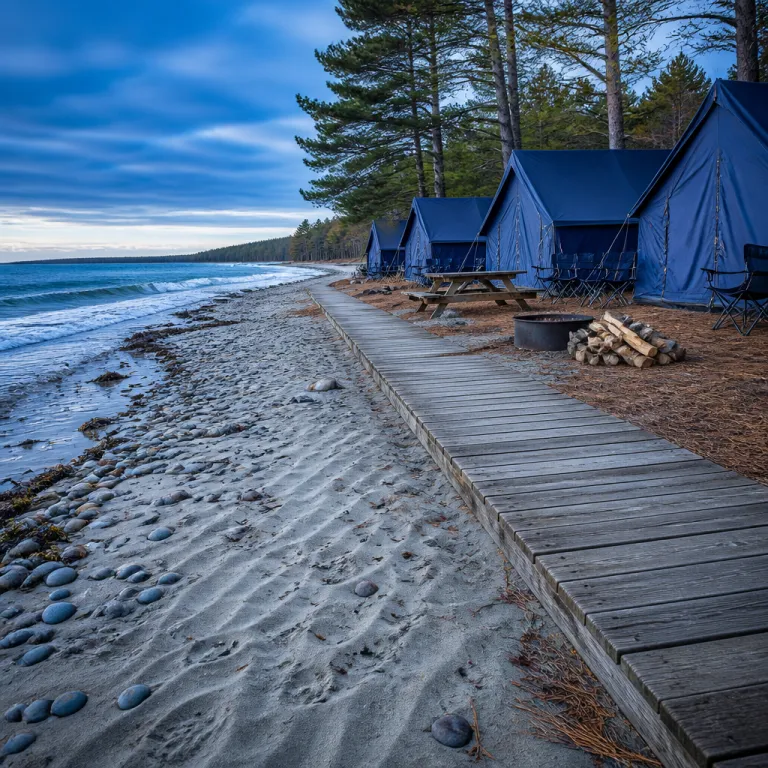
What quiet hours really mean when you book a premium campsite
Quiet hours at a luxury campground are not just a line in the rules policies; they are the framework that protects everyone’s night sleep. In practice, campground quiet hours usually mean no amplified music, no generators, no loud conversations and no clattering car doors that echo across the park after a late night return. When you choose a high end campsite through a curated platform, you are also choosing fellow campers who understand that good camping etiquette is part of the experience, not an optional extra.
Think of quiet hours as a shared agreement that your personal space extends beyond your reserved site and into the soundscape of the whole camp. Families on a carefully planned camping trip, couples on a romantic weekend and solo travelers on a camping hiking escape all rely on this unwritten etiquette to keep the atmosphere calm and safe. Luxury campgrounds specific to premium travelers often publish clear rules policies online, but the culture of respect quiet behavior after dark is what turns a standard camping stay into something closer to a discreet country hotel.
Generators are the classic fault line between basic camping needs and serenity, especially when people arrive with van conversions and portable power stations. If you must run a generator during non quiet hours, keep it as far from neighboring campers as the campsite layout allows and shut it down the moment quiet hours begin. When you book, read the campground etiquette section as carefully as the privacy policy, because some campgrounds ban generators entirely while others allow them only in designated areas of the park.
Managing light, sound and late arrivals without ruining the night
Noise at a campground is rarely just about volume; it is about timing, tone and duration across the night. A short laugh around the campfire at dusk is part of camping culture, but the same laugh at two in the morning cuts through the campground quiet like a siren. Premium camp hosts expect campers to read the room, keep voices low and make sure music, podcasts and phone calls stay inside the invisible walls of their own site once quiet hours start.
Headlights and lanterns can be as disruptive as sound, especially in tightly spaced campgrounds where one car beam sweeps straight through another family’s tent. When you arrive late night, park once, switch off the engine and use a headlamp on the lowest setting, pointing it at the ground to respect quiet hours while you set up camp. If you are moving between the campfire and your tent, keep light focused on your own camping space so fellow campers can enjoy a good night under the stars without feeling like they are on a stage.
Luxury sites near lakes and rivers often attract guests who paddle or hike back to camp after sunset, and that is where quiet hours etiquette becomes a test of judgment. If you are staying at a canoe in or kayak in campground, such as those highlighted in our guide to paddling to your pitch, plan your route so you are not clattering paddles and gear beside sleeping tents at midnight. The goal is simple in both singular and plural situations : keep your camp movements efficient, keep your campsite tidy and leave the soundscape of the park as calm as the water you came in on.
Kids, pets and personal space in high end family campgrounds
Premium family camping is at its best when children can roam safely while adults relax, yet that freedom sits on top of clear camping etiquette. Before you even reach the campground, talk through basic camping expectations with your kids, including staying within your site boundary, using indoor voices after dark and never running through other people’s pitches. Teaching them to respect personal space at a campsite is as essential as teaching them to leave trace free trails on a camping hiking day.
Pets add warmth and chaos in equal measure, which is why every luxury campground has pet rules that go beyond a simple pet leash requirement. Keep dogs on a short leash whenever you pass other campers, make sure clean pets are the norm rather than the exception and never leave a barking pet alone at camp during quiet hours or any other time. Many campgrounds specific to families now include a clear privacy policy about how they manage pet related incidents, and the best parks enforce those rules policies consistently so that people who pay for peace actually receive it.
Night is when tensions rise fastest, especially if a child is overtired or a pet is unsettled by wildlife sounds around the campground. Build a calm bedtime routine that starts before official quiet hours, dim lights early and keep late night bathroom trips swift and soft footed to help everyone around you enjoy a good night sleep. If you are staying somewhere remote without a reception number, such as the Nordic style properties we profile in our guide to planning a refined stay when there is no reception, be even more sure to manage your own noise because there may be no staff nearby to step in.
How to handle noise issues with fellow campers like an adult
Even in the most carefully curated campground, someone will eventually ignore quiet hours, and how you respond can either solve the problem or poison the mood. Start by giving people the benefit of the doubt, because many campers simply misjudge how far sound travels across a dark park. If the noise continues, walk over calmly, stay outside their personal space bubble and say something like, “Hey, I am sure you did not realize, but the quiet hours started at ten and our kids are trying to sleep.”
That single sentence does three things at once ; it reminds them of the rules, it frames the issue as an honest mistake and it anchors your request in the shared goal of a peaceful night sleep for everyone. Most people will apologize, turn down the music and keep the rest of their camp chatter low, especially in luxury campgrounds where guests have paid for tranquility. If they react badly or the late night noise returns, you have done your part to respect quiet communication and it is time to involve the camp host rather than escalate.
Premium properties usually have clear campground etiquette procedures, often outlined alongside the privacy policy and leave trace guidelines in the welcome pack. Use the non emergency number or walk to the host site, explain the situation briefly and let staff apply the campground quiet rules policies they are paid to enforce. This approach protects your own camping trip, protects fellow campers who might feel too shy to speak up and helps keep the overall culture of the camp aligned with the standards you expected when you booked.
Booking smarter: choosing quiet friendly sites and hidden gem parks
Silence is never guaranteed, but you can stack the odds in your favor long before you pitch a tent or park a campervan. When browsing a luxury camping platform, read past the glossy photos and look for concrete mentions of quiet hours, campground etiquette and how staff handle noise complaints. Properties that treat camping etiquette as seriously as their design details usually deliver a more refined experience for people who care about both style and sleep.
Site selection matters as much as the campground itself, especially in popular parks where some pitches sit beside playgrounds, bathrooms or access roads. If you want a truly quiet site, choose one away from communal areas, check the map for distance between pitches and use reviews to help gauge how well the camp keeps noise under control at night. Our guide to golden hour at the campsite explains how light and orientation shape the feel of a pitch, and the same logic applies to sound ; the best hidden gems balance views, privacy and distance from the busiest paths.
Luxury campgrounds specific to discerning travelers often cap capacity, enforce leave trace principles and maintain generous buffers of space between sites, which naturally supports campground quiet expectations. When you read reviews, pay attention to how often fellow campers mention a good night sleep, respectful neighbors and staff who sure follow through on the posted rules policies. Over time, you will build a personal shortlist of parks and individual campsites where the unwritten rules of quiet hours are so deeply embedded that you barely notice them — you just arrive, set up camp and leave feeling rested.
FAQ
What do quiet hours usually cover at a campground ?
Quiet hours usually cover amplified music, generators, loud conversations, vehicle noise and bright lights that spill into other campsites. During these hours, campers are expected to keep voices low, limit movement around the park and avoid any activity that could disturb night sleep. Luxury campgrounds often specify exact times and examples in their campground etiquette or rules policies section.
How should I handle a noisy neighbor during quiet hours ?
Start with a calm, polite conversation at a reasonable hour, staying outside their personal space and assuming they simply misread the rules. If the noise continues or the response is hostile, contact the camp host or reception and let staff enforce the campground quiet rules. Avoid arguments, because they tend to create more disruption for fellow campers than the original noise.
Are generators allowed during quiet hours in premium campgrounds ?
Most premium campgrounds ban generators during quiet hours, and some prohibit them entirely to protect the atmosphere. Where generators are allowed, they are usually restricted to certain times of day and sometimes to specific areas of the park. Always check campgrounds specific rules policies before your camping trip and be sure to shut down any generator the moment quiet hours begin.
How can I teach my kids good camping etiquette about noise ?
Explain quiet hours before you arrive, using simple examples like whispering after dark and not running through other people’s sites. Involve them in setting up camp, choosing a quiet game for late night and practicing how to move around the campground without waking others. Treat respect quiet behavior as part of basic camping skills, alongside leave trace habits and staying within sight of your campsite.
What should I check before booking if I am sensitive to noise ?
Look for campgrounds that clearly state quiet hours, enforce campground etiquette and limit large group bookings. Read recent reviews for mentions of a good night sleep, respectful fellow campers and staff who help keep noise under control. When possible, choose a campsite away from playgrounds, entrances and communal facilities to keep your surroundings calmer.