Why photos mislead and the ear tells the truth
A perfect campsite photo can hide a restless sound environment. The most flattering images never show the nearby highway noise, the generator hum from RVs, or the late night arrivals that people only hear once the sun has set. When you start planning a romantic escape, you need to think about the campsite soundscape and natural quiet as carefully as you study the view.
Luxury and premium campgrounds now talk about design, amenities, and service, yet they rarely describe the acoustic quality that shapes your sleep. That gap matters, because a couple can enjoy good food, refined linens, and elegant lighting, but still feel exhausted if the campground noise levels swing from traffic roar to bar music. When you choose between places online, pay attention to reviews that mention sound, sounds, noise, and whether guests could hear sounds from roads, neighbors, or the park facilities at night.
Many travelers assume that any national park or forest automatically offers natural quiet and natural silence. In reality, some parks sit under busy flight paths, while others echo with boat engines or distant trains that you only hear after dark. Treat every beautiful image as a starting point, then build awareness of the less visible environments by reading maps, scanning comments about nature sounds, and asking direct questions about the acoustic environment before you book.
The good sounds: how nature becomes a natural orchestra
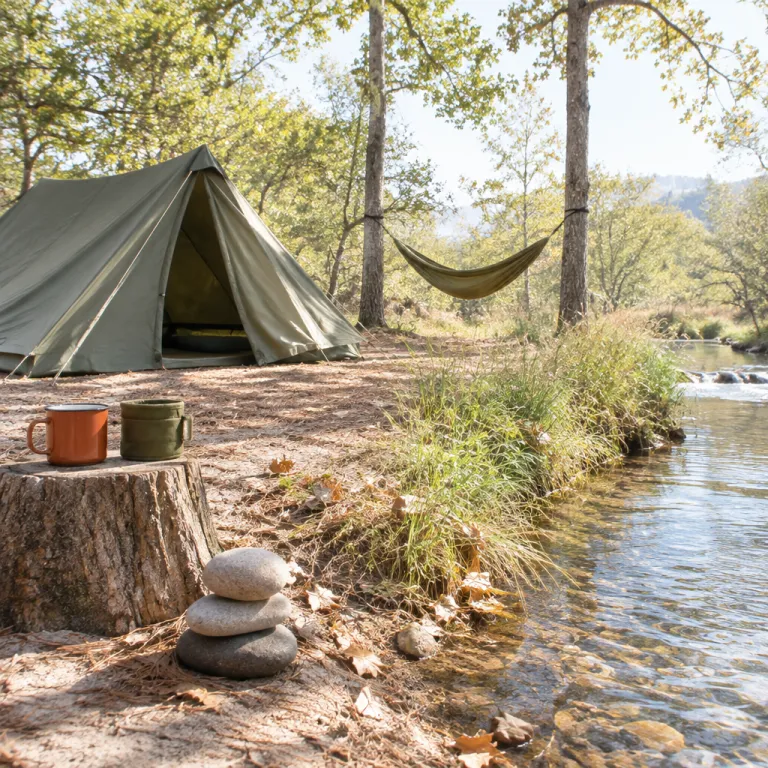
When a campsite gets sound right, the result feels like a natural orchestra tuned to the sound heart of the landscape. You hear the low rush of a river, the soft sounds nature carries on the wind, and the occasional call of an owl instead of the thump of car doors. Couples remember these places because the nature sound becomes part of the shared experience, not a lost opportunity drowned by generators.
Look for pitches near moving water, but ask about the typical sound level, since a spring torrent can reach surprisingly high sound decibels. Field measurements from park managers often place fast mountain streams in the 70–80 dB range at the bank, similar to standing near a busy urban street, while a gentle creek may sit closer to 40–50 dB, closer to a quiet office. In a well designed park, the best place to sleep is often slightly above or below the stream, where you hear sounds as a steady acoustic blanket rather than a roar. The same rule applies to oceanfront sites, where premium operators angle pitches so that people can enjoy good surf music from the waves without constant wind noise in the tent fabric.
Trees matter as much as views, because a stand of pines filters noise and adds gentle nature sounds when the breeze rises. Research on sound propagation in forests shows that dense vegetation can reduce traffic noise by several decibels over a short distance, enough to turn harsh sound into a softer background. In some national parks, rangers even map sound environments to protect pockets of natural quiet from road expansion. Before you book, read about seasonal wildlife behavior, then pair that with guidance on how animal activity changes around your campsite, so you know whether the dawn chorus will be birdsong or rutting elk.
Reading maps and satellite views for acoustic red flags
Digital maps are now one of the most powerful tools for predicting campsite sound before you arrive. Zoom in on satellite view and trace every road, parking area, and service building that might add noise to an otherwise quiet setting. A luxury campground can photograph only its lakeside pitches, yet the wider map may reveal a busy access road that shapes the real sound environment.
When you study the layout, check how far your chosen pitch sits from the entrance gate, dump station, and playground, because these places concentrate sounds at specific hours. A couple seeking natural silence and a calm place to sleep should avoid the main loop junctions where people arrive late, slam doors, and run engines while checking in. Instead, look for small cul de sacs or end loops that bend away from traffic, where you can hear nature sounds and still enjoy good access to facilities without constant disturbance.
Top tier operators now design entire parks around acoustic awareness, placing glamping tents and premium platforms on ridges or in shallow folds that block road noise. For example, some coastal sites in Oregon and forest retreats in the Alps use low earth berms and staggered tent pads to shield sleeping areas from internal roads, then publish simple sound maps so guests can see how noise drops as you move away from shared facilities. When you compare properties on a luxury booking website, cross reference the gallery with terrain shading and contour lines to see how sound might travel. For more on how physical setting shapes a stay, pair this approach with guidance on how natural light defines the pitches worth fighting for, then weigh both light and sound before you commit.
Inside the loop: how placement changes what you hear at night
Within a single campground loop, two pitches twenty metres apart can offer radically different sounds. One might sit opposite the restrooms, where doors, hand dryers, and footsteps create a constant low level noise, while the other hides behind a stand of trees with a far more natural soundscape. Couples booking a premium stay should treat loop maps like seating plans in a concert hall, where acoustic quality varies by row.
Ask the property which sites back onto open environments such as meadows or forest edges, rather than internal roads or parking bays. These edge sites often deliver the best balance of natural quiet and distance from human sounds, especially if the park limits through traffic after dark. When reviews mention that you can hear sounds from every direction, that usually signals a central position in the loop, which may suit families but rarely suits a romantic retreat.
Some luxury parks now publish sound level guidelines alongside their privacy policy, setting expectations about generator use, quiet hours, and music. This transparency helps people understand whether they can hear nature sounds or should expect a more social atmosphere with shared playlists. A practical booking checklist might include asking whether the quiet hours are enforced, how far your pitch is from communal areas, and whether generators or amplified music are allowed at night. When a campsite soundscape and natural quiet are treated as core amenities, you will often see references to quality sound, natural silence, and even sounds recorded on site to illustrate the experience.
How premium campsites engineer for natural quiet and deep rest
High end campgrounds increasingly treat sound as a design material, not an afterthought. They shape the acoustic environment with earth berms, planting, and careful spacing, so that each pitch feels like its own place to sleep rather than a row in a car park. For couples, this attention to sound turns a simple night under canvas into a restorative experience that lingers long after checkout.
On a well curated booking platform, you can often filter for adults only areas, riverside zones, or forest enclaves where the campsite soundscape and natural quiet are explicitly protected. These sections usually sit away from main roads and communal buildings, with paths that guide people quietly and lighting that avoids late night gatherings under bright bulbs. Some properties even share short recordings of their nature sound profile, allowing guests to hear sounds from dawn or dusk before they reserve.
When you browse inspiration for design forward stays, look for descriptions of acoustic insulation in cabins, soft ground surfaces that absorb sound decibels, and landscaping that breaks up line of sight between pitches. Articles such as the creative stay guide on luxury campsite stays for creatively minded travelers often highlight how environments can feel both stimulating and calm. The most memorable places balance music from the natural orchestra outside with interior quiet, so that people can hear the wind in the trees, then close the door and sink into deep, uninterrupted sleep.
Soundscape, romance, and the science of real escape
For couples, the link between sound and rest is not abstract. A campsite that protects natural quiet and manages noise thoughtfully allows both partners to fall asleep quickly, stay asleep, and wake with a sense of shared calm. When the only sounds you hear at night are distant owls, soft wind, and the occasional rustle of leaves, the environment supports intimacy rather than tension.
Research in environmental psychology shows that people relax faster in environments where nature sounds dominate over mechanical noise. Laboratory and field studies report lower heart rates and reduced self reported stress when participants listen to recordings of forests, rivers, and birdsong compared with traffic or aircraft noise. That aligns with camping trend data from Kampgrounds of America, whose North American Camping Report notes that a majority of younger travelers say sound influences where they choose to stay and that peace and quiet consistently rank among the top reasons people go camping. On a luxury booking website, this means that a campsite soundscape and natural quiet are no longer niche preferences, but core quality markers alongside design, service, and location.
When you plan your next trip, treat every intrusive sound as a potential lost opportunity for connection and rest. Read how guests talk about noise, pay attention to mentions of traffic or late night music, and look for hosts who speak clearly about their sound policy and acoustic design. If the property offers sample audio clips of dawn chorus, evening frogs, or gentle river noise, listen to those recordings as carefully as you study the photos. The best places weave sound, light, and landscape into one coherent experience, so that the sound heart of the stay is the landscape itself, not the generator next door.
FAQ
How can I check a campsite soundscape before I book online ?
Start by reading recent reviews and search specifically for comments about sound, noise, and quiet hours. Then study the map to see how close pitches are to roads, playgrounds, and service buildings that might raise the sound level. If you still have doubts, email the property and ask which areas offer the most natural quiet and nature sounds at night, whether they have any sample audio clips, and how strictly they enforce their quiet hours.
What are the best locations within a campground for a quiet night ?
Edge sites that back onto forest, meadows, or water usually offer the calmest sound environment. Avoid pitches near entrances, dump stations, and restrooms, because these places concentrate sounds at predictable times. When possible, choose smaller loops or cul de sacs where fewer people pass your tent after dark and where the campsite soundscape is shaped more by nature than by vehicles.
Are riverside pitches always quieter and better for sleep ?
Riverside sites can provide a soothing natural orchestra, but only if the flow is moderate. During snowmelt or heavy rain, the water can reach high sound decibels that some guests find overwhelming, approaching the loudness of steady traffic. Ask the campground about typical seasonal sound levels and request a pitch slightly set back if you are sensitive to constant noise.
How do luxury campsites design for better acoustic comfort ?
Premium operators use larger pitch spacing, dense planting, and terrain features such as berms to block unwanted sounds. Many also enforce strict quiet hours, limit generator use, and separate social areas from sleeping zones. On high end booking sites, look for descriptions of acoustic design, privacy focused layouts, and policies that protect natural silence, along with any mention of sound level targets or curated nature soundscapes.
Why does sound matter so much for couples on a romantic trip ?
Sound directly affects how quickly you fall asleep, how deeply you rest, and how relaxed you feel together. A campsite soundscape with natural quiet reduces stress, supports conversation, and makes simple moments like sharing a drink by the fire feel more intimate. When intrusive noise dominates, even a beautiful setting can feel like a lost opportunity for connection, while a carefully managed acoustic environment turns the same view into a true escape.