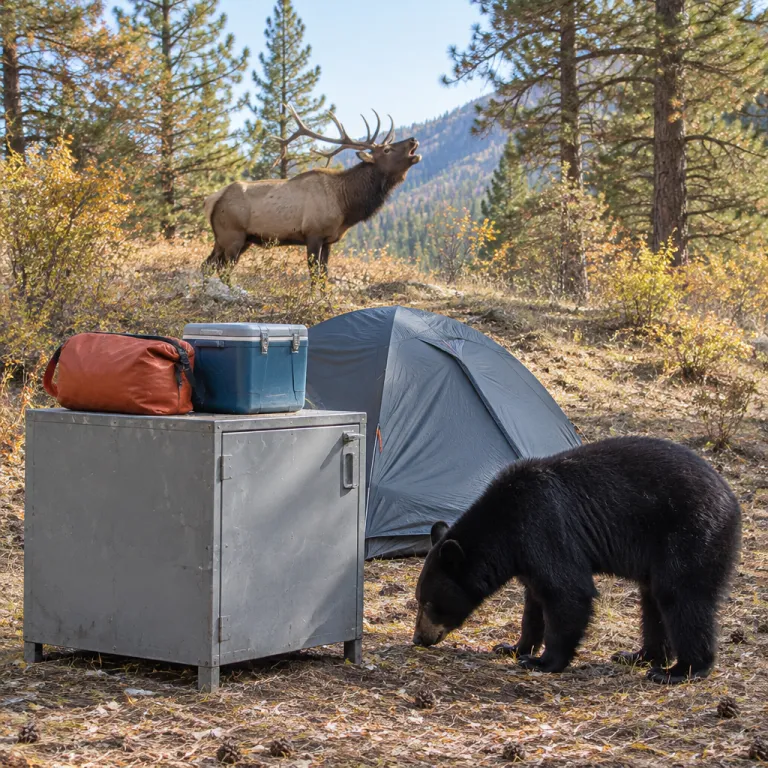
The drama of fall camping wildlife: elk rut and bears on the move
Fall camping wildlife elk rut bears create a very specific mood. Luxury and premium campsites inside or near a national park turn that mood into a front row seat, but they also raise the stakes for safety and etiquette. Your family might arrive expecting quiet nights in a heated tent or safari style canvas suite, then hear elk bugling echo across the river and realize the rut has already started.
During the elk rut, male elk shift from calm grazing to intense competition, and that change matters for every camper who values both wildlife viewing and personal safety. Bull elk gather harems of cow elk in open meadows, then patrol the edges of camp nearby roads and rivers, sometimes wandering through high end glamping sites that market themselves as the best access to wild animals. When you book a premium pitch or cabin, you are often paying for that proximity to wildlife, so you must also accept the responsibility to keep distance and treat every elk as truly wild.
Luxury platforms such as campsitestay.com now flag rut season dates for properties in Yellowstone National Park, the Great Smoky Mountains and the mountains national parks of Montana. That transparency helps families time a trip for peak wildlife watching while still choosing a campsite with strong safety infrastructure and clear rules about dogs, food and quiet hours. When you filter for riverside decks, hot springs access or heated tents, read the wildlife section as carefully as the amenities list, because fall camping wildlife elk rut bears are not a backdrop, they are the main event.
Elk bugling, family thrills and why distance is non negotiable
Elk bugling is one of the most haunting sounds you will hear from a tent. In places like Yellowstone and the surrounding Montana valleys, bull elk use this high, eerie call to advertise strength during the rut, and luxury campsites often highlight this as a signature fall experience. A riverside deck with a firepit and a glass of wine can feel like the best wildlife watching theater when elk gather in the meadows below.
That same spectacle becomes risky when guests forget that deer elk and moose are powerful wild animals, not props for a social feed. During the rut, a male elk may charge if a person or an off leash dog approaches too closely, especially near a river crossing or a cluster of cows. Park rangers in every major national park repeat the same rule for fall camping wildlife elk rut bears and elk alike ; keep distance that you can measure in dozens of meters, not in camera zoom levels.
Families booking premium sites should look for properties that build those rules into their welcome briefing and printed guides. Some of the better managed camps near Yellowstone National and Great Smoky Mountains National Park now include diagrams showing safe viewing distances for elk, deer and moose, plus clear instructions about where to stand when elk bugling begins near camp nearby roads. Before your trip, read long form planning pieces such as the guide on locking down the season’s last great camping weekend, then apply the same discipline to autumn wildlife viewing ; plan your movements, not just your booking.
Bear hyperphagia and the luxury campsite food problem
As fall deepens, black bears and grizzly bears enter hyperphagia, a phase of intense feeding before winter. In Yellowstone, the Great Smoky Mountains and other mountains national parks, that means bears roam longer hours along every river corridor and forest edge, searching for berries, carcasses and any careless human food. Premium campsites with outdoor kitchens, tasting menus and private hot springs decks unintentionally add more scent to that landscape.
For families, the key is to choose properties where luxury does not mean lax discipline around food. The best high end sites near Yellowstone National Park, Montana’s river valleys or the Great Smoky Mountains now provide bear resistant lockers at every tent platform and cabin, plus clear instructions for storing snacks, dog food and toiletries. When you evaluate a listing on campsitestay.com, scan for phrases such as wildlife viewing protocols, bear aware training and mandatory use of storage lockers, because fall camping wildlife elk rut bears demand more structure than a summer beach stay.
Even in fenced or semi serviced parks, wild animals follow scent, not property lines. A single cooler left outside a glamping tent can teach black bears that camp nearby decks equal easy calories, which then threatens every guest on a future trip. Responsible operators train their équipe to patrol at dusk, remind guests about storage and remove any food left out, turning luxury service into a safety buffer rather than a risk multiplier.
Fall food storage, small opportunists and clean camp habits
Hyperphagia in bears is only one part of the autumn equation around a campsite. Smaller opportunists such as raccoons, foxes, rodents and even bold mule deer quickly learn that premium riverside decks and outdoor kitchens mean crumbs, fruit and unattended dog bowls. In a national park setting, that can escalate from nuisance to structural damage when animals chew through tents or vehicle wiring.
Luxury and premium sites have the budget to design food systems that work with wildlife, not against it. Look for properties that combine bear resistant lockers, sealed trash stations and staff led evening rounds with guest education about keeping a clean tent and cabin porch. When a listing highlights wildlife watching as a signature amenity, ask how they prevent wild animals from associating human spaces with food, especially during fall camping wildlife elk rut bears season.
Families should treat clean camp habits as part of the experience they are paying for, not as a chore. Many of the better curated riverside and lakeside retreats now pair gourmet dinners with clear instructions about scraping plates, sealing leftovers and returning everything to lockers before enjoying the stars. For a sense of how thoughtful design can balance comfort and nature, read about lakeside holidays with a balance of luxury, nature and style, then apply the same lens to any property that markets itself around wildlife viewing in fall.
Choosing the right park, region and campsite layout for autumn wildlife
Different parks stage different versions of the same autumn drama. Yellowstone National Park and the surrounding Yellowstone National gateway towns offer classic elk rut scenes in river valleys, while Montana’s mountains national forests add moose and mule deer to the cast. The Great Smoky Mountains and the wider great smoky region, by contrast, lean into black bears, deer and dense forest, with elk herds reintroduced in select valleys.
When you browse a luxury booking platform, filter not only by tent type or cabin size but also by wildlife focus. Some riverside camps near Yellowstone emphasize elk bugling and elk rut viewing from heated decks, while others closer to hot springs or higher elevations highlight bear and wolf watching at a respectful distance. In the Smoky Mountains, premium family friendly sites often sit just outside the national park boundary, offering quick access to trails while keeping a buffer from the busiest wildlife corridors.
Layout matters as much as location. A well designed camp nearby a river will cluster human sleeping areas away from main wildlife travel routes, using parking zones and service buildings as a soft barrier between elk, deer elk and tents. Ask how the property manages lighting, trash and dog walking areas, because fall camping wildlife elk rut bears all respond to those details, and a thoughtful plan can turn a wild setting into a safe classroom for children rather than a nightly worry.
Photographing wildlife responsibly and teaching kids calm confidence
Autumn light over a river, steam from hot springs and a bugling bull elk in the distance can tempt anyone to creep closer with a phone. Luxury campsites often attract guests with high end camera gear, and the combination of camera zoom and habituated animals can lead to crowding that stresses wildlife. Every national park now urges visitors to let the lens do the walking and to keep distance that respects both elk rut behavior and bear feeding patterns.
Families should treat wildlife photography as a structured activity, not a spontaneous chase. Agree on clear rules before leaving the tent ; adults handle the camera zoom, children stay beside them, and no one steps off the path or approaches wild animals, even if a male elk seems calm. Many premium properties now offer guided wildlife viewing walks with naturalists who explain why elk gather in certain meadows, how to read bear sign and when to retreat, turning a casual photo session into a grounded lesson.
Calm is the most valuable skill you can teach a child in these settings. When a bear appears across a river or a herd of deer elk crosses near the park road, your reaction sets the tone ; speak softly, step back together and watch from behind a barrier or vehicle. Articles on campsitestay.com about planning the season’s last great camping weekend show how structure improves every trip, and the same principle applies here, because fall camping wildlife elk rut bears reward patience and punish impulsive moves.
Premium family playbook for safe coexistence with fall wildlife
For a premium family, the goal is not just a comfortable bed near a national park, but a trip where children remember elk bugling and bear tracks more vividly than any screen. Start by choosing properties that treat wildlife viewing as a responsibility, not a marketing slogan, with clear rules about dogs, food storage and guided access to sensitive river corridors. In Montana, Yellowstone and the great smoky region, that usually means smaller camps with fewer tents and more staff per guest, rather than sprawling developments.
Build a simple daily rhythm that respects animal patterns. Plan morning and evening walks along designated viewing areas when elk gather in meadows and deer elk move between forest and river, then retreat to camp nearby decks or indoor lounges during peak bear feeding times. Teach children that wild animals always have the right of way, whether that means waiting in the car while a male elk crosses the road or backing away from a trail junction where fresh bear scat appears.
Finally, treat every safety rule as part of the luxury you are buying. A well briefed équipe, robust lockers, clear signage and staff who gently remind guests to keep distance from wildlife are not constraints, they are the infrastructure that allows fall camping wildlife elk rut bears to remain a living, breathing spectacle rather than a headline. When you find a campsite that balances heated tents, river views and disciplined coexistence, you have located the rarest amenity in travel ; genuine proximity to the wild that still lets your family sleep soundly.
Key figures on wildlife, parks and fall camping safety
- In Yellowstone National Park, rangers report multiple elk related injuries to visitors every fall season, with most incidents occurring during the rut when people approach bull elk too closely for photos (data summarized by the National Park Service). This pattern underlines why families must rely on camera zoom rather than stepping toward elk gather zones near roads and rivers.
- The National Park Service notes that black bears can detect food and scented items from more than 1 kilometer away, which explains why a single cooler left outside a tent can attract wild animals across a campground. Luxury sites with universal use of bear resistant lockers dramatically reduce these attractants and lower the risk of bear visits.
- Great Smoky Mountains National Park is among the most visited parks in the United States, receiving well over 10 million recreational visits annually according to the National Park Service. High visitation increases the importance of strict food storage and wildlife viewing rules, especially around black bears and reintroduced elk herds.
- Studies cited by agencies such as the U.S. Geological Survey show that habituated bears, which learn to associate campgrounds with food, are significantly more likely to be relocated or euthanized. Clean camp practices at both budget and premium sites directly influence whether fall camping wildlife elk rut bears remain a safe spectacle or become a management problem.
- National park guidelines commonly recommend minimum viewing distances of at least 23 meters for elk, deer and other large herbivores, and at least 91 meters for bears and wolves. Families who internalize these numbers before a trip can make faster, calmer decisions when wildlife appears suddenly near a river bend or campsite path.
FAQ about fall wildlife, elk rut and bears around campsites
How close is safe when watching elk during the rut ?
Safety guidelines from agencies such as the National Park Service recommend staying at least 23 meters from elk, deer and moose, and farther if a bull elk is bugling, pacing or lowering his head. During the rut, male elk are more aggressive and may charge if they feel crowded, especially near cows or calves. Use camera zoom, stay near a vehicle or solid barrier and back away if the animal changes its behavior because of your presence.
What food storage should I expect at a luxury campsite in bear country ?
In bear country, even high end riverside or hot springs camps should provide bear resistant lockers or storage boxes at every tent and cabin, plus sealed trash stations and clear written rules. Many premium properties also offer staff checks at dusk to remind guests to store coolers, dog food and toiletries, which all carry strong scents. If a listing near a national park does not mention these systems, contact the host before booking or choose a different site.
Are fall wildlife viewing trips suitable for young children ?
Fall wildlife trips can be excellent for children if adults set firm boundaries and choose well managed properties. Look for camps with clear paths, good lighting, staff presence and educational programs about elk rut behavior, bear safety and general wildlife watching etiquette. Before arrival, practice simple rules at home, such as stopping when an adult says stop and speaking quietly when animals are visible.
Can I bring my dog to a campsite near elk and bears ?
Policies vary, but many parks and premium camps either restrict dogs or require strict leash rules because dogs can provoke both elk and bears. An off leash dog that runs toward a bull elk or a bear may trigger a chase that ends with the animal following the dog back to its owners. If you travel with a dog, choose properties with clear dog policies, designated relief areas and guidance on where pets are allowed on trails.
Which regions offer the best balance of luxury camping and fall wildlife ?
Yellowstone National Park and the surrounding Montana valleys, the Great Smoky Mountains region and select mountains national parks in the West all offer strong combinations of wildlife and premium camping. In these areas, you can find heated tents, cabins and riverside decks with structured wildlife viewing programs and robust safety systems. When comparing options, prioritize camps that describe their coexistence strategy with wild animals as clearly as they describe their linens and amenities.
References : National Park Service ; U.S. Geological Survey ; state wildlife agency publications.