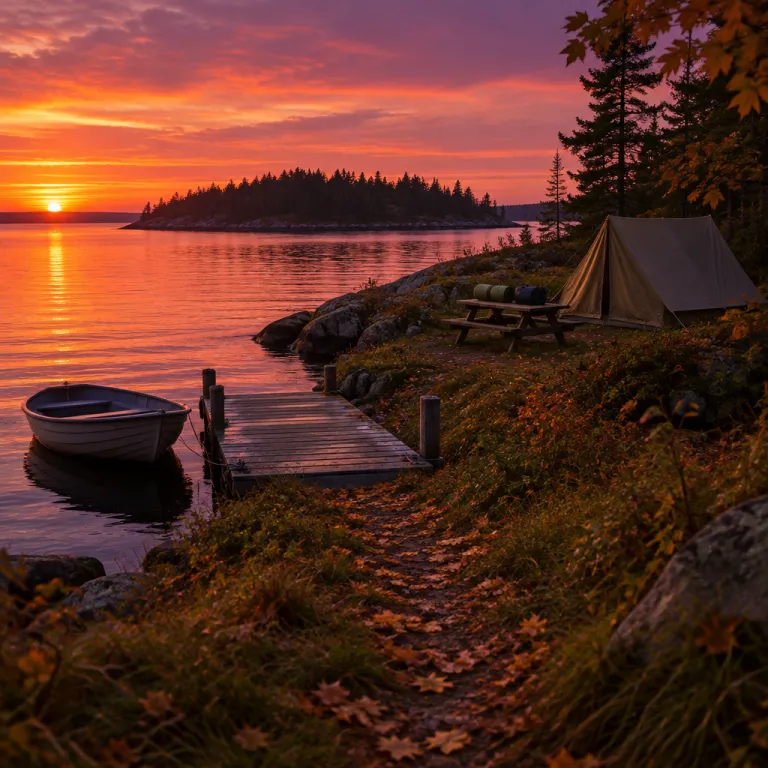
Why island camping ferry access creates real luxury in campsites
On the right island, camping feels quietly indulgent rather than rustic. The extra step of boarding a ferry filters out crowds and leaves you with sea air, long horizons, and a campground that feels almost private. For couples used to hotel corridors, this island camping ferry in campsites dynamic can feel like trading lobby noise for the hush of waves against rock.
Remote islands demand intention, and that intention shapes the entire trip. When you commit to a ferry, boat, or water taxi, you accept that there is no quick return to the car and no late night supermarket run, which is exactly why the experience feels elevated rather than inconvenient. The time you spend watching the channel open around you becomes part of the stay, not just transport between sites.
On California’s Channel Islands, camping is structured around this idea of effort rewarded. Each island, from Anacapa Island to Santa Cruz Island and Santa Rosa Island, is located miles offshore, so every tent pitched has already passed a natural crowd filter. Couples who choose these islands national park campgrounds are not chasing a checklist ; they are chasing a quieter kind of luxury where the sea, the sky, and the ferry wake are the amenities that matter.
Channel Islands as a case study in ferry-in romance
The Channel Islands National Park may be the clearest example of how a ferry-in campground can feel more exclusive than many coastal hotels. Island Packers, the long standing concessionaire running boats from Ventura and Santa Barbara, turns each crossing into a low key wildlife cruise with dolphins, sea lions, and sometimes whales shadowing the hull. By the time you reach the ferry landing at Scorpion Anchorage on Santa Cruz or at Prisoners Harbor on the north shore, the trip already feels like a curated escape.
On Santa Cruz Island, camping areas sit above turquoise water and sea caves, with hiking trails radiating out toward high ridges and quiet coves. The main campground near Scorpion is close to the visitor center, which makes it easier for first time island campers to ask about potable water, trail conditions, and return ferry logistics before committing to longer trips inland. Farther west, the more remote sites near Prisoners Harbor on Cruz Island feel wilder, with fewer people, more wind exposure, and a stronger sense that you are sharing the island with foxes and ravens rather than other travelers.
Santa Rosa Island raises the stakes again, with a ferry landing that can be weather dependent and a campground that feels dramatically exposed to the open sea. Here, pit toilets and limited potable water are part of the deal, and the reward is a vast beach where you can walk for an hour without seeing another tent. For couples who value quiet, this is where island camping ferry in campsites becomes a deliberate choice for intimacy, and where good campground etiquette, including the kind outlined in this guide to quiet hours and shared spaces, matters more than ever.
Logistics that define the experience: boats, water, and no-resupply reality
Luxury on an island often comes down to what you carried over the channel and how calmly you handle constraints. When you camp on Santa Cruz, Santa Rosa, San Miguel, or Anacapa Island, the ferry schedule, baggage limits, and weather windows dictate everything from your first coffee to your last sunset. Island Packers boats are efficient, but they are not on demand ; miss the return ferry and you are not hailing a taxi back to Santa Barbara.
Every island campground in the Channel Islands National Park has its own rules about what is allowed, and a premium booking platform should surface these clearly before you pay. Some sites near the Scorpion Anchorage visitor center on Santa Cruz Island have potable water taps, while others on Rosa Island or Miguel Island require you to haul every liter you will drink, cook with, or filter, which changes both packing lists and the feel of the trip. Pit toilets are standard across most islands, and while they are well maintained by the park, couples used to hotel bathrooms should understand that this is part of the trade for sea cliffs and empty trails.
Because these islands are located miles offshore, there is no casual resupply, and that is where a thoughtful booking interface can quietly elevate the experience. A good listing for island camping ferry in campsites will spell out baggage weight limits on each boat, the distance from ferry landing to campground, and whether carts are available or if you will shoulder everything while hiking up from the sea. For couples planning a romantic escape, this clarity is not just practical ; it is the difference between arriving flustered and arriving ready to enjoy a refined lakeside or oceanside escape, much like the mood captured in this review of Sleepy Hollow style cabin stays.
Weather, exposure, and reading the marine forecast like a local
On an island, weather is not background noise ; it is the main storyline. The same sea breeze that keeps a Santa Cruz Island campground cool in the afternoon can turn into a hard overnight wind that tests your tent stakes and your patience. When your only exit is a boat, understanding marine forecasts becomes as essential as knowing your ferry time.
Channel Islands National Park publishes detailed advisories, but a premium booking site can translate those into plain language for couples who usually book hotels rather than campsites. If a listing for camping on Anacapa Island or San Miguel Island notes that trips are often cancelled due to swell, that is not a deterrent ; it is a mark of honesty that builds trust and lets travelers plan flexible itineraries. The same applies to explaining that some ferry landings are via ladder or skiff when seas are up, which can affect how comfortable you feel carrying gear and how mobile you need to be.
Fall often brings the best balance of calm seas, clear air, and thinner crowds across these islands. The channel can still throw whitecaps at you, but the campgrounds on Santa Rosa, Santa Cruz, and the smaller islets feel quieter, with more space between tents and more time to sit with a book while the sea does its slow work below. For couples, this is where island camping ferry in campsites becomes less about endurance and more about atmosphere, especially when you have already chosen your destination using a curated guide to national parks suited to higher comfort camping.
Packing and planning for couples: when the car stays on shore
Leaving the car behind changes what luxury means on an island. Instead of a trunk full of just in case items, you and your partner are limited to what you can carry from the ferry landing to the campground, often over one to three kilometres of uneven trail. That constraint forces a kind of editing that many couples find strangely freeing once they settle into their sites.
For island camping ferry in campsites, think in terms of systems rather than individual objects. A compact but comfortable sleeping system, a shared cooking kit that works even when wind whips off the sea, and layered clothing that can handle both hot hiking and cold nights will matter more than decorative extras. On Santa Cruz Island, where some campgrounds near the visitor center offer potable water, you can pack lighter than on Rosa Island or Miguel Island, where every litre must be carried from the boat and rationed carefully over the time you stay.
Romantic details still have a place, they just need to earn their weight. A small bottle of good wine, a lightweight blanket for sitting above the sea at sunset, or a compact lantern that makes your tent feel like a private suite can transform a simple park campsite into something that feels quietly high end. The key is respecting what is allowed by the national park, from fire rules to wildlife protection, so that your private escape on Santa Cruz, Santa Rosa, Anacapa Island, or any other island santa in the chain leaves the channel islands as unspoiled for the next pair of travelers as they were for you.
FAQ
How difficult is it to reach Channel Islands campgrounds by ferry ?
Reaching Channel Islands National Park campgrounds by ferry is logistically straightforward but physically moderate. Island Packers boats from Ventura and Santa Barbara handle the sea crossing, while you handle carrying your gear from the ferry landing to the campground, often over one to three kilometres of trail. The difficulty depends on your pack weight, fitness, and whether you choose closer sites near the visitor center on Santa Cruz Island or more remote areas such as Prisoners Harbor or Santa Rosa Island.
Which Channel Island is best for a first time camping trip for couples ?
For most couples, Santa Cruz Island is the best first step into island camping. The main campground near Scorpion Anchorage is relatively close to the ferry landing, has pit toilets, and usually offers potable water, which simplifies packing. Trails for hiking range from short coastal walks to longer ridge routes, so you can adjust your experience without committing to the full exposure of San Miguel or the longer crossings to more remote islands.
Are there any services or shops on the islands once we arrive ?
There are no conventional shops or restaurants on the Channel Islands, and services are intentionally minimal. You will find basic facilities such as pit toilets, food storage lockers, and in some locations potable water taps, usually near the visitor center or main campground. Because the islands are located miles offshore and resupply is not possible between ferries, couples must bring all food, fuel, and personal items needed for the entire stay.
What happens if weather cancels our return ferry from the island ?
If weather cancels a return ferry, Island Packers and the National Park Service coordinate to rebook passengers on the next safe crossing. You may need to spend an extra night at your campground, so carrying a small buffer of food and water is wise, especially on islands without potable water. While such delays are not common, they are part of the reality of sea based trips, and a good booking platform should highlight this possibility clearly.
Can we treat island camping as a luxury experience rather than a rugged one ?
Island camping can absolutely feel luxurious if you approach it with intention. The combination of ferry access, limited sites, and sea views already creates a sense of exclusivity that many hotels cannot match, especially on quieter fall trips. By choosing comfortable gear, planning simple but good meals, and respecting what is allowed in the park, couples can turn a basic national park campground on Santa Cruz, Santa Rosa, or Anacapa Island into a refined, low key retreat.