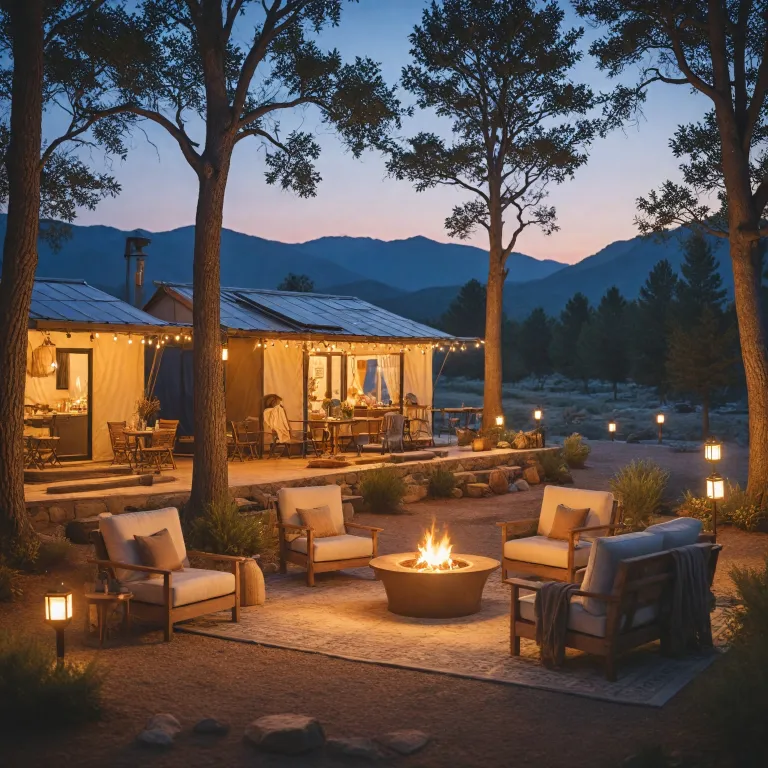
Luxury expectations and the modern campground power supply
Luxury campers now judge a campsite by its campground power supply as much as by its spa or wine list. High end guests expect stable power for air conditioning, induction cooking, and entertainment systems, so the electrical system must be designed with hotel level reliability in mind. For a premium booking website, presenting this technical story clearly can be as persuasive as any infinity pool.
Every listing should specify the available amp service at each park, because discerning guests compare 20 amp, 30 amp, and 50 amp options before confirming a travel trailer stay. The National Association of RV Parks and Campgrounds (ARVC) notes that "A 30-amp hookup provides approximately 3,600 watts of power, suitable for medium-sized RVs, while a 50-amp hookup offers up to 12,000 watts, accommodating larger RVs with multiple appliances." When a platform translates those figures into real world comfort, such as running multiple air conditioning units plus induction hobs, it builds trust and authority.
Luxury travelers also want reassurance that every power outlet and receptacle is safe, certified, and maintained to a high standard. A premium listing should therefore highlight whether each electrical panel, breaker box, and circuit breaker is inspected regularly, and whether the product used for each panel is rated for heavy duty hospitality use. When guests see that the campground power supply is treated like a hotel grade infrastructure system, they feel confident plugging in their trailer motorhome or travel trailer for an extended stay.
Designing premium listings around amps, volts, and real comfort
For a luxury focused booking website, the challenge is translating technical campground power supply details into intuitive benefits. Guests rarely search for volt power or amp shore specifications directly, yet they care deeply about running air conditioning, charging batteries, and using induction cooktops without tripping a circuit breaker. The art lies in turning every electrical system metric into a clear comfort promise.
Each listing should state whether the shore power pedestal offers 20 amp, 30 amp, or 50 amp service, and whether the power cord length required is standard or extended. When a park offers multiple power outlet options on the same shore power box, the platform can present this as flexible power connection for both compact vans and large trailer motorhome rigs. Luxury eco friendly properties that combine grid power with solar power and battery storage deserve special highlighting, ideally linked to a dedicated guide on luxury eco friendly campsites.
Guests also appreciate clarity about which products are heavy duty enough for high draw appliances and which outlets are better suited to charge batteries or laptops. A refined listing can explain that the electrical panel is sized to support multiple air conditioning units, while a separate solar system and battery bank handle low demand overnight loads. When a booking website narrates how the campground power supply supports both comfort and sustainability, it elevates the perceived value of every park in its portfolio.
From pedestal to panel: mapping the full electrical journey
Premium travelers increasingly want to understand the entire campground power supply chain from shore to vehicle. A sophisticated booking platform can guide them through each step, from the heavy duty power cord at the pedestal to the onboard electrical panel and batteries inside a travel trailer. This narrative reassures guests that every plug electrical interface has been considered for safety and convenience.
At site level, the listing should describe the power outlet configuration on each pedestal, including the number of receptacles, the available amp power, and whether a separate low volt outlet exists for delicate electronics. Clear diagrams or photos of the box, panel, and circuit breaker layout help guests visualise how their trailer motorhome will connect to shore power. When the park offers both grid and solar power sources, the platform can explain how the system automatically balances electrical power between them.
Inside the vehicle, guests want to know whether the campground power supply can simultaneously support air conditioning, cooking, and entertainment without overloading the electrical system. A well written listing can suggest using an amp cord rated for the maximum amp shore service available, and recommend certified surge protectors for additional safety. By mapping the full journey from power source to outlet, the booking website positions itself as a trusted advisor rather than a simple product catalogue.
Integrating solar, batteries, and shore power for luxury stays
High end outdoor hospitality increasingly blends traditional campground power supply with advanced solar power and battery technology. Luxury guests appreciate silent nights without generator noise, so a well designed electrical system that uses solar panels to charge batteries during the day can be a decisive booking factor. A premium platform should therefore highlight how each park integrates these systems to deliver uninterrupted comfort.
Listings can explain whether each site offers a dedicated solar ready power outlet or a shared solar system feeding the main electrical panel. When a park combines shore power with solar power, the booking website should describe how the system prioritises renewable power while keeping volt power stable for sensitive appliances. Guests will value knowing that their trailer motorhome or travel trailer can plug electrical devices into a certified, low noise, and low emission power source.
For extended stays, the ability to charge batteries efficiently becomes as important as spa access or fine dining. A refined description might note that the breaker box and circuit breaker configuration allows simultaneous charging of onboard battery banks while running air conditioning at full capacity. By presenting solar, battery, and shore power as a single integrated product rather than separate features, the platform reinforces its expertise in modern electrical power management.
Safety, certification, and guest confidence in electrical systems
Affluent travelers expect that every aspect of the campground power supply meets rigorous safety standards. A luxury booking website should therefore emphasise that all electrical components, from the smallest receptacle to the main electrical panel, are certified by recognised authorities. This includes heavy duty power outlet hardware, weatherproof box enclosures, and clearly labelled circuit breaker switches.
To support informed choices, listings can advise guests to verify the amp rating of each shore power pedestal before connecting their power cord. They can also recommend carrying adapters for different plug electrical formats, while reminding guests to inspect the power connection visually for damage. Safety guidance such as "Check your RV's power requirements and carry appropriate adapters to connect to different types of campground electrical outlets." and "Yes, always inspect the power pedestal for damage, use surge protectors, and avoid overloading the circuit to prevent electrical hazards." fits naturally within a premium service narrative.
By curating parks that maintain their electrical system proactively, the platform protects both guests and its own reputation. Detailed notes about breaker testing schedules, volt power monitoring, and certified inspections show that electrical power is treated as a core hospitality asset. When guests feel confident that every amp shore pedestal and amp cord connection has been considered, they are more likely to book longer stays and recommend the park to peers.
How booking platforms can personalise power for luxury guests
The most advanced luxury booking websites treat campground power supply as a personalisation lever rather than a static amenity. During the search process, guests can filter parks by amp power, shore power availability, and support for high demand air conditioning systems. This allows a trailer motorhome owner with dual units to select only sites whose electrical system and panel can handle the load comfortably.
Content teams can create editorial guides that explain how to match a travel trailer or motorhome to the right power source, including recommended amp cord types and plug electrical adapters. A strategic internal link to a resource on refined campground marketing for luxury outdoor hospitality guests can help owners understand why detailed electrical information drives premium bookings. These guides should also show how solar power, battery banks, and shore power work together to charge batteries efficiently during multi week stays.
Finally, platforms can encourage parks to upload photos of each power outlet, box, and receptacle, along with clear labels for amp shore ratings and circuit breaker positions. When combined with transparent notes about certified inspections and heavy duty product choices, this level of detail turns a simple electrical power feature into a hallmark of refined hospitality. Guests will recognise that the campground power supply has been designed with the same care as any luxury hotel suite.
Key statistics on campground electrical services
- Percentage of sites with 50 amp service : 64 % of surveyed campgrounds now offer high capacity hookups suitable for large RVs and luxury rigs.
- Percentage of sites with 30 amp service : 62 % of locations provide mid range electrical power that suits many travel trailer configurations.
- Percentage of sites with 20 amp service : 34 % of parks still rely on lower capacity outlets, which may limit simultaneous appliance use.
- Percentage of sites with no electrical hookup : 4 % of surveyed properties offer only non serviced or primitive camping experiences.
Essential questions about campground power supply
What is the difference between 30 amp and 50 amp RV hookups ?
A 30 amp hookup provides approximately 3,600 watts of power, suitable for medium sized RVs, while a 50 amp hookup offers up to 12,000 watts, accommodating larger RVs with multiple appliances. For luxury travelers, this difference often determines whether they can run several air conditioning units, an induction hob, and entertainment systems simultaneously. When booking, always match your vehicle’s electrical system to the available campground power supply to avoid overloads.
How can I ensure my RV is compatible with campground electrical hookups ?
Start by checking the amp rating and volt requirements specified by your RV manufacturer, then compare them with the park’s listed shore power options. Carry a certified power cord, appropriate plug adapters, and a quality surge protector to connect safely to any power outlet or receptacle. If in doubt, contact the park directly through the booking website to confirm that its electrical panel and circuit breaker configuration can support your equipment.
Are there safety considerations when using campground electrical hookups ?
Yes, always inspect the power pedestal for visible damage, loose wiring, or signs of overheating before connecting your trailer motorhome or travel trailer. Use a heavy duty, certified amp cord and avoid running more appliances than your amp shore rating and the campground power supply can safely support. Many luxury focused parks now provide guidance on safe electrical power use as part of their guest welcome materials, reinforcing a culture of comfort and security.
Trusted references
- National Association of RV Parks and Campgrounds (ARVC)
- RV Industry Association
- Campground Owners Association