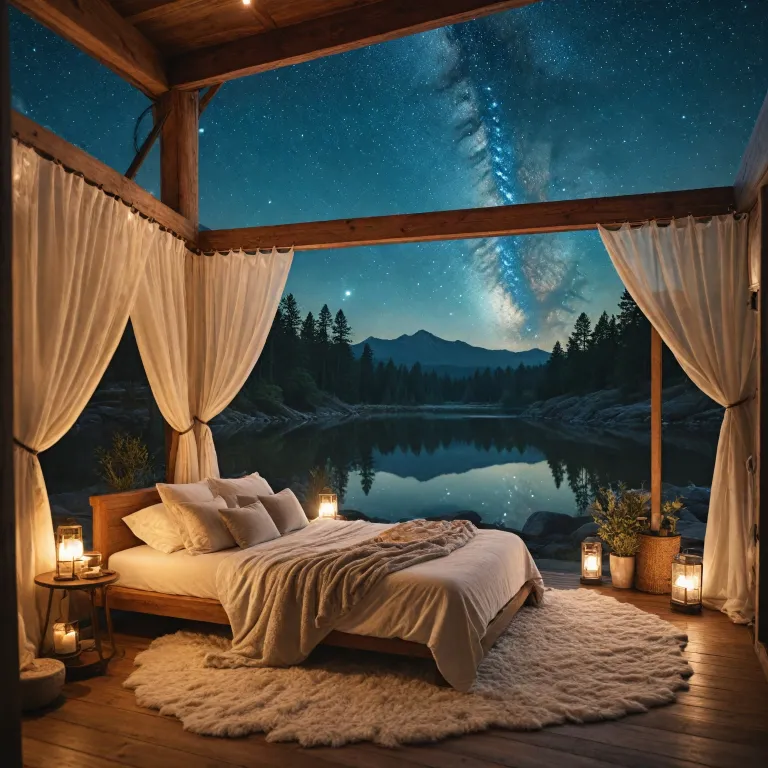
Luxury camping escapes for sleeping under the stars
For travellers used to five star suites, sleeping under the stars can feel both thrilling and unfamiliar. Luxury and premium campsites now curate this experience with meticulous attention to weather, wind, and night sky visibility, so every sleep feels restorative rather than rough. These refined retreats balance the romance of a dark sky with the reassurance of professional service and carefully designed gear.
Specialist operators increasingly collaborate with neuroscientists to understand how sleeping under natural light affects the brain and body. In one landmark research initiative led by Dr. Ashley Ingiosi, a neuroscientist focusing on sleep and brain health, “Participants slept outdoors under natural conditions”, and their sleep patterns were monitored with advanced tools. Her team’s work supports what many premium camp guests report anecdotally ; they fall asleep faster, wake less often during the night, and feel calmer the next day.
For a luxury booking website, the challenge is to translate this science into clear filters and meaningful categories. Guests want to know which places offer the darkest skies, which camp options sit safely inside a protected park, and how each tent or cabin is oriented under the night sky. They also need reassurance that if the weather turns or the wind rises, staff will adapt the experience without compromising comfort.
Thoughtful platforms therefore highlight dark sky ratings, proximity to sky parks, and access to guided stargazing events. They explain how far sites sit from city lights, whether meteor showers are visible at certain times, and how the events calendar integrates celestial events with on the ground hospitality. This level of detail helps guests choose the right time and the right places to sleep under a canopy of stars.
Designing premium filters for the darkest skies and rare places
Most booking platforms still treat a luxury camp like a simple tent in a park, which frustrates travellers who expect hotel level clarity. A refined interface must instead foreground the quality of the night sky, the depth of the dark, and the character of the surrounding community. This means tagging each listing with metrics such as international dark sky status, average night time weather, and distance from intrusive city lights.
For guests dreaming of sleeping under the stars, the ability to filter by celestial events is transformative. A well curated events calendar can highlight peak meteor showers, seasonal night sky phenomena, and special stargazing events hosted on site. When a platform allows users to sort by “darkest skies”, “best places to sleep under stars”, or “quiet camp areas shielded from wind”, it turns a vague wish into a precise search.
Luxury travellers also value narrative detail about specific places. A listing near castle county, for example, might emphasise historic landscapes that frame the night sky, while another near carousel park could highlight family friendly night walks and gentle stargazing sessions. Premium content should explain how guests will sleep, what gear is provided, and how staff manage weather shifts during the day and night.
To inspire confidence, a booking website can showcase curated collections of exceptional stays, such as unique places to stay near you for luxury and premium camping. These collections help users compare different sky parks, evaluate where they might sleep under the clearest stars, and understand which camps blend privacy with a welcoming community. By aligning filters with real world stargazing needs, the platform becomes a trusted guide rather than a simple directory.
From tent to spa: elevating the sleep under stars experience
Premium guests rarely want a basic tent pitched on uneven ground, even if the stars above are spectacular. They expect a carefully staged environment where sleeping under the stars feels as indulgent as a suite, yet more intimate and connected to the land. This is where luxury campsites excel, combining high quality bedding, weather resistant structures, and curated gear with spa level amenities.
Many high end camps now offer open roof suites, transparent domes, or tent pavilions with retractable panels that frame the night sky. Guests can sleep under a dark sky while remaining sheltered from wind and sudden changes in weather, which preserves comfort without diluting the sense of being under stars. Some properties integrate wellness rituals timed to celestial events, such as guided breathing before meteor showers or massages scheduled after late night stargazing.
For booking platforms, the task is to describe these nuances clearly so travellers understand how they will sleep and relax. Detailed amenity lists should explain whether a camp includes spa access, heated outdoor pools, or wellness programmes aligned with natural day night cycles. Linking to editorial content, such as a guide to premium camping with spa and wellness in nature, can help guests imagine how sleeping under the stars fits into a broader restorative stay.
Luxury travellers also appreciate guidance on what personal gear to bring for optimal sleep under stars. Platforms can recommend layered clothing for cool night air, red light torches to preserve dark sky vision, and optional extras like binoculars for casual stargazing. By framing each camp as a complete night sky experience rather than a simple place to sleep, the website reinforces its authority and deep understanding of premium outdoor hospitality.
Curating celestial events, community gatherings, and family friendly nights
Sleeping under the stars becomes even more memorable when woven into a thoughtful programme of events. Luxury camps increasingly host curated celestial events, from guided meteor showers viewings to storytelling evenings under a dark sky. A sophisticated booking website should therefore highlight not only where guests will sleep, but also how they can engage with the night sky as part of a shared community experience.
Some premium parks design seasonal festivals that blend astronomy with gentle entertainment. An events calendar might feature open air cinema nights that invite guests to leave movie routines behind and look up between scenes, or evenings with food trucks serving regional cuisine beside softly lit paths. Family oriented camps sometimes add fall crafts workshops, tent trick decorating sessions, and supervised trick treating walks that end with simple stargazing lessons for children.
These events require careful coordination with weather forecasts, wind patterns, and night time safety protocols. Booking platforms can support this by allowing guests to filter stays by specific events, such as meteor showers weekends or dark sky photography retreats. Clear descriptions should explain whether activities take place in a central park area, near carousel park style attractions, or in quieter sky parks designed for serious stargazing.
For couples or solo travellers seeking calm, listings can emphasise smaller gatherings that focus on the night sky rather than busy day events. Descriptions might highlight intimate campfire circles where guests sleep under stars after guided reflection, or private platforms where they can watch the night sky in silence. By presenting events as an integral part of sleeping under the stars, the website helps guests choose places that match their preferred balance of community and solitude.
Safety, comfort, and science backed sleep quality outdoors
Even the most romantic vision of sleeping under the stars must be grounded in safety and comfort. Luxury travellers expect that every camp has assessed weather risks, wind exposure, and wildlife considerations before inviting guests to sleep under a dark sky. A premium booking website should therefore highlight safety certifications, staff training, and clear protocols for sudden night time changes.
Scientific research increasingly supports the benefits of sleeping under natural conditions when managed responsibly. In the large scale study led by Dr. Ashley Ingiosi and partners such as the National Sleep Foundation, “Sleep patterns monitored using polysomnography” and “Psychological assessments conducted pre- and post-study” provided robust data on how outdoor nights affect the brain. Findings suggest that exposure to natural light dark cycles can help regulate circadian rhythms, improve sleep continuity, and reduce stress levels over time.
For guests, this means that a carefully chosen camp can offer more than a scenic night sky ; it can support long term wellbeing. Booking platforms can translate complex data into simple indicators, such as “sleep quality focus”, “quiet hours enforcement”, or “minimal artificial light at night”. They can also explain how international dark sky standards reduce glare, protect the night sky, and create ideal conditions for both stargazing and deep sleeping.
Comfort details matter just as much as scientific credentials. Listings should specify mattress quality, insulation levels, and whether tents or cabins are oriented to block prevailing wind while still opening toward the stars. By combining evidence based sleep insights with meticulous practical information, the website reassures guests that sleeping under the stars will feel both luxurious and secure.
Regional character, editorial curation, and choosing the right place to sleep
Not all dark skies feel the same, and a refined booking website should celebrate regional character. A camp near castle county might pair sleeping under the stars with views of ancient stone silhouettes, while another near carousel park could frame the night sky above gentle rides and landscaped paths. Editorial curation helps guests understand how each place shapes the mood of their night and day.
Thoughtful articles can guide travellers through different sky parks, explaining which offer the darkest skies, which sit closer to city lights, and which balance community events with quiet zones. A feature on elegant camping by the sea, for example, might show how coastal wind patterns influence tent design and how reflective water surfaces enhance the night sky. These stories give context to raw data, helping guests choose places to sleep that match their personal rhythm and interests.
Premium platforms can also create themed collections, such as “romantic sleep under stars escapes”, “family friendly dark sky camps”, or “wellness retreats focused on sleeping under the stars”. Each collection should explain how guests will sleep, what gear is included, and how the camp manages weather and events. Clear language about distances within the park, access paths in the dark, and the timing of night sky activities builds trust.
By combining rigorous filters with evocative storytelling, the website becomes a companion for planning rather than a simple transaction tool. Travellers feel guided toward the right places to sleep under a vast sky, whether they seek the quietest international dark sky reserves or lively community camps with gentle evening events. In this way, sleeping under the stars evolves from a vague dream into a carefully tailored, luxury grade reality.
Key statistics on sleep and outdoor experiences
- Adults with chronic sleep disorders in the United States are estimated at 50 million, highlighting the growing interest in restorative experiences such as sleeping under the stars.
- Annual expenditure on sleep disorder treatments in the United States reaches approximately 100 billion USD, encouraging travellers to seek nature based stays that may support better sleep quality.
Essential questions about sleeping under the stars in luxury camps
What are the benefits of sleeping under the stars?
Sleeping outdoors can improve sleep quality, reduce stress, and enhance mood. In luxury campsites, these benefits are supported by high comfort standards, quiet dark sky environments, and carefully timed stargazing sessions. Guests often report deeper sleep, a calmer mind, and a renewed sense of connection with natural day night cycles.
Is it safe to sleep outside?
With proper preparation and safety measures, sleeping outside can be safe and enjoyable. Premium campsites conduct detailed risk assessments, monitor weather and wind, and provide secure tent or cabin structures that still allow views of the night sky. Booking platforms should clearly indicate safety protocols, staff presence, and any regional considerations so guests can choose confidently.
How does natural light exposure affect sleep?
Exposure to natural light helps regulate the body's circadian rhythm, promoting better sleep. When guests spend the day and night in environments with minimal artificial light, their internal clocks often realign with sunrise and sunset. Luxury camps that limit harsh lighting and protect dark sky conditions therefore support both memorable stargazing and healthier sleeping patterns.
Trustful expert sources
- National Sleep Foundation
- American Psychological Association
- Institute of Medicine