Why luxury campers now need to pack out human waste
High end campsite guests increasingly meet a new rule at check in. In fragile alpine basins, desert plateaus and crowded river corridors, the expectation is simple: you must pack out human waste rather than bury it. For travelers used to a plush hotel toilet and crisp toilet paper, that shift feels radical, yet it is fast becoming the standard for responsible camping.
The old cathole method fails in thin alpine soils where decomposition is painfully slow. A survey of high elevation campsites in Colorado’s Front Range, for example, documented buried feces and toilet paper still visible after multiple seasons of freeze–thaw cycles and snow cover. The National Park Service notes similar problems in subalpine zones of Rocky Mountain National Park, where heavy use concentrates waste in small basins. In arid camping landscapes, there is almost no water in the ground, so solid poop and liquid residue linger near the surface and can be unearthed by animals or the next tent. On heavily used backpacking routes near any national park trailhead, thousands of shallow holes turn into a diffuse open air toilet that no premium guest wants near their luxury tent deck.
Luxury and premium booking platforms for campsites now flag these rules alongside fire bans and vehicle limits. When you reserve a cliff edge pitch or a riverside glamping tent, the fine print may specify approved waste carry-out systems or a required portable toilet kit. The most forward thinking operators treat a high quality waste bag as part of the amenities list, just like a down duvet, a curated coffee station and a leak proof water carafe.
For the solo explorer, this is less about roughing it and more about standards. You are paying a premium price for access to rare landscapes, not just for a stylish canvas tent and a private deck. Respecting pack out rules for human waste and using a camping wag bag or portable toilet system is how you keep those places wild enough to feel worth the booking fee.
How wag bag systems actually work on premium campsites
The phrase pack out human waste camping wag bag sounds clinical, yet the reality is surprisingly refined. Modern wag bag kits are engineered as a complete toilet bag system, with an inner bag for solid waste, gelling agents for liquid and a tough outer bag that is genuinely leak proof. On well run luxury campgrounds, staff walk you through the process with the same calm precision they use for wine pairings or stargazing briefings.
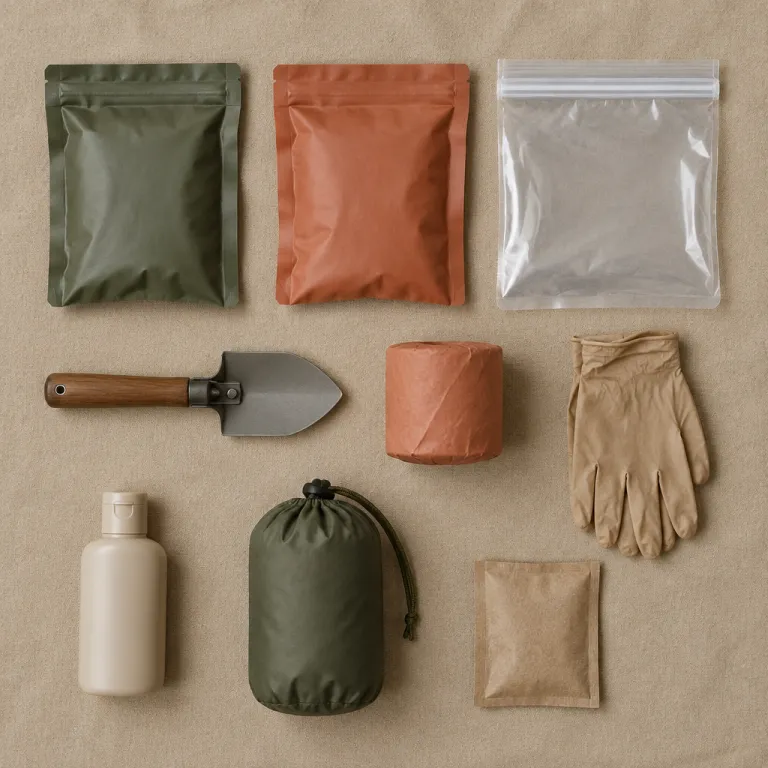
A typical kit includes a lined waste bag, a small amount of absorbent powder, a portion of toilet paper and a sealed poop bag for final storage. Some operators use widely available commercial solutions such as Restop style bag systems, Double Doodie style double layer designs or wearable toilet bags for minimalist backpacking sites. Others pair a simple inner bag with a reusable portable toilet frame or a discreet folding seat, set inside a five gallon bucket that doubles as a carry container.
On a premium platform like campsitestay.com, you will often see these systems described in the same breath as other regenerative campground practices. Properties that already focus on soil restoration and native planting, the kind profiled in guides to regenerative campgrounds, tend to adopt wag bags early. They understand that toilet waste is not just a comfort issue but a core part of watershed health and long term carrying capacity.
From a guest perspective, the ritual quickly becomes routine. You line the portable toilet or bucket, use it as you would any toilet, add a little paper and hand sanitizer, then seal the inner bag before sliding it into the outer bag. The whole kit then rides in a dedicated compartment of your pack or in a small dry bag, no more intrusive than carrying a few extra camping gadgets.
Where pack it out is required and why catholes fail
Not every campsite asks you to pack out human waste, but the map is changing fast. Many river corridors, high elevation basins and canyon systems now require wag bags or a portable toilet for all overnight camping, regardless of whether you booked a rustic tent platform or a luxury safari tent. Before you reserve, check the managing agency page for each national park, state park or wilderness area, because rules can differ dramatically between adjacent valleys.
Cathole burying fails for three main reasons in fragile terrain. Alpine soils are thin and cold, so human waste and toilet paper can persist for years, especially when thousands of backpacking guests use the same small catchment. Leave No Trace guidance explains that at high elevations, decomposition can be dramatically slower than in lowland forests, and in some cases packing out feces is the preferred option. In desert camping zones, there is almost no water to help break down solid poop, and the first flash flood can expose old toilet bags and waste bags, sending them straight into canyons where people swim.
Heavily used front country areas face a different problem. When hundreds of campers dig shallow holes near a lake or along a river, the cumulative toilet waste becomes a serious water quality issue, especially where children play or where fire bans already push everyone into the same limited clearings. Rangers on the Colorado River in Grand Canyon National Park, for instance, require boaters to use portable toilets and pack out all solid waste to protect beaches and nearshore habitats. Guides to camping well under fire restrictions now routinely mention wag bags in the same breath as stove etiquette, because both are about reducing impact in crowded spaces.
Luxury operators cannot ignore this reality if they want to maintain a premium experience. A high price for a lakeside deck means nothing if the shoreline smells like a neglected toilet. Requiring a pack out system, whether a simple poop bag kit or a more structured portable toilet with a lined gallon bucket, is how they protect both the environment and the guest experience.
Designing eco friendly luxury around human waste systems
For a luxury or premium campsite, the question is not whether to adopt pack out human waste camping wag bag rules, but how to integrate them elegantly. The best properties treat the wag bag as part of their eco friendly design language, pairing discreet storage cubbies, clear signage and well lit paths to designated portable toilet tents. Instead of hiding the subject, they normalise it with the same calm tone they use when explaining grey water systems or solar power.
Thoughtful design starts with the guest journey. On arrival, staff explain how the toilet bags work, where to find extra waste bags and how to store a used inner bag in your backpacking pack or day bag without fuss. Many provide a small amenity kit that includes toilet paper, a compact hand sanitizer bottle, a roll top poop bag for double containment and a printed card explaining where to drop your sealed bag system at checkout.
Back of house design matters just as much. Operators need secure, leak proof storage barrels, often simple five gallon containers, and clear protocols for transferring human waste to approved disposal sites. Some partner with outfitters who already manage portable toilet logistics for river trips, while others invest in staff training so that handling toilet waste feels as routine as managing grey water or recycling.
Guests notice these details, especially those used to high end hotels where invisible service defines luxury. A campsite that quietly provides compatible waste bag liners, comfortable seats and clear instructions signals that it takes both comfort and ecology seriously. That level of care aligns with the expectations of travelers who already read about hidden campsite costs such as reservation fees and surcharges, and who now evaluate whether a premium price also buys genuine environmental responsibility.
Practical hygiene, storage and disposal for solo explorers
Once you accept the logic of pack out human waste camping wag bag systems, the remaining questions are practical. How do you manage hygiene on a multi day backpacking trip, especially when you are used to a hotel bathroom and daily room service? The answer lies in a few simple habits and a willingness to treat your waste bag as just another piece of gear.
Start by dedicating one small dry bag or stuff sack as your toilet bag, clearly marked and always stored away from food and cooking gear. Inside, keep your wag bags or similar toilet bags, a roll of toilet paper in a zip pouch, a small bottle of hand sanitizer and a few sheets of sturdy paper towel for emergencies. When you use the system, seal the inner bag carefully, slide it into the outer leak proof poop bag, then place it in your dedicated storage sack or in a lined gallon bucket if you are car camping.
Water management is equally important. In dry environments, never rinse toilet waste or bags in streams or lakes, and avoid using scented wipes that can attract animals when packed out. On luxury campsites, staff often provide a small wash station near each portable toilet tent, with foot pumped water, biodegradable soap and clear instructions on how to keep human waste and grey water separate.
Disposal should always follow local rules. Some areas allow you to place sealed waste bags in regular trash, while others require drop off at specific facilities, especially near a national park or protected watershed. For example, Mount Rainier National Park specifies that blue bags from climbing routes must be returned to designated receptacles at trailheads. When in doubt, ask the operator or ranger directly, because a few extra minutes of planning protects both the landscape and the reputation of every traveler who values premium yet low impact camping.
FAQ
Why is packing out human waste better than burying it?
Packing out human waste removes it entirely from fragile soils and watersheds. In alpine, desert and heavily used areas, catholes do not decompose quickly and are often disturbed by animals or erosion. A sealed wag bag or similar waste bag keeps pathogens contained until they reach proper disposal.
Are wag bag systems really hygienic and odor free?
Modern wag bags use gelling agents and odor control powders that stabilize both solid and liquid waste. When the inner bag is sealed correctly and stored in a dedicated poop bag or dry bag, smells are minimal. Good hand hygiene with soap or hand sanitizer completes the system.
Can I use a portable toilet instead of individual bags?
Many car accessible campsites allow a portable toilet that uses a lined gallon bucket or cassette system. You still need approved toilet bags or liners so that human waste can be sealed and transported cleanly. Always confirm local rules, because some protected areas specify exact systems.
Where do I throw away used wag bags after my trip?
Disposal rules vary by region and managing agency. Some campgrounds and trailheads provide designated waste bins for sealed toilet bags, while others direct you to place them in regular trash once double bagged. If signage is unclear, ask staff or rangers before you leave.
Is packing out waste really expected at luxury and premium campsites?
High end operators in sensitive locations increasingly require pack out systems for all guests. They see human waste management as part of eco friendly design, just like renewable energy or careful water use. For travelers paying a premium price, this expectation protects both comfort and the quality of the surrounding landscape.