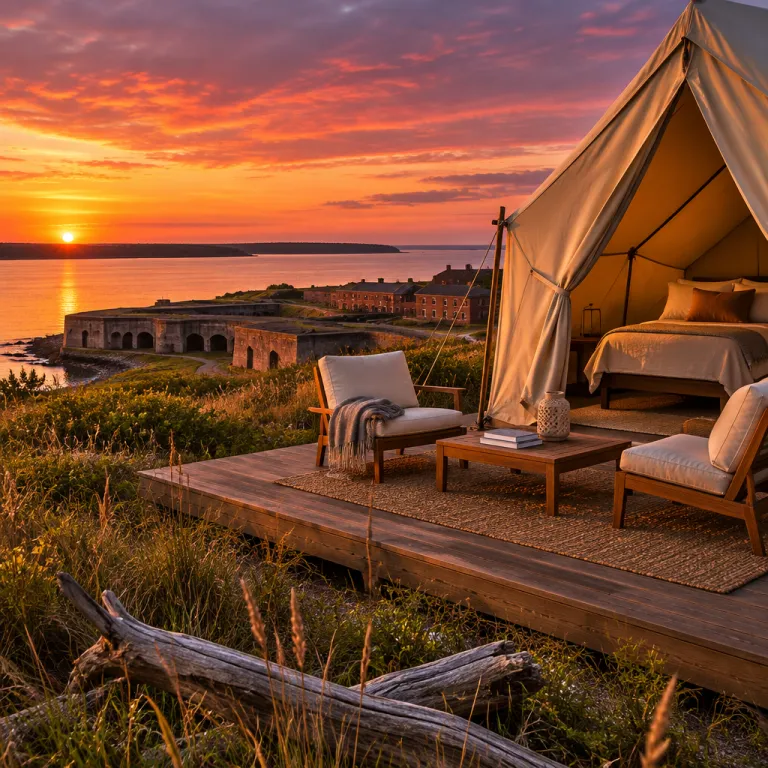
Fort Flagler camping for luxury-minded travelers on Marrowstone Island
Why Fort Flagler camping appeals to luxury minded travelers
Fort Flagler camping offers a rare blend of coastal drama and refined calm. On the northern tip of Marrowstone Island, this historic Washington State Parks retreat feels worlds away yet remains easy to reach from major Puget Sound cities. For travelers used to premium hotels, the fort and its shoreline campground provide a softer landing into nature without sacrificing comfort.
The property forms part of the Washington State Parks system, yet Fort Flagler State Park feels more like a discreet seaside estate than a typical campground. You arrive via State Route 116, crossing farmland before the road narrows and the water of Puget Sound opens on both sides. The sense of arrival rivals many luxury resorts, especially when the Olympic Peninsula peaks glow across Admiralty Inlet at sunset, a scene that makes Fort Flagler waterfront sites feel like private-view suites.
For guests booking through a luxury and premium camping platform, the key is matching the right sites to the right expectations. Some Fort Flagler camping loops, such as lower campground areas A and B, sit directly above the beach, while upper campground loops C and D offer more shelter and privacy among trees. A curated booking interface can highlight which areas suit couples seeking quiet, families needing space, or remote workers who want a stable signal and a serene view, while still enjoying the character of a historic coastal fort.
Choosing between upper and lower campground for a premium stay
Within Fort Flagler State Park, the choice between the upper campground and the lower campground largely defines your experience. The lower campground stretches close to the beach and water, with many sites facing Puget Sound and the distant Olympic Mountains. These waterfront sites feel cinematic at sunset, though wind and exposure can be intense during shoulder seasons, especially on loops closest to the shoreline, so guests who value calm may prefer slightly set-back sites with partial views.
The upper campground sits back from the shoreline, framed by trees and gentle slopes above the fort. Here, Fort Flagler camping feels quieter and more controlled, which suits travelers who usually prefer an upscale hotel environment. Luxury focused booking platforms can tag upper sites that offer level pads, easy access to restrooms, and short walks to trails leading toward the historic gun batteries, while lower loops can be highlighted for guests who prioritize unobstructed water views and quick access to the beach.
Before you visit, read detailed campground reviews with the same care you would apply to five star hotel ratings. A guide to reading campground reviews like a critic helps you interpret comments about noise, privacy, and maintenance at Fort Flagler and other Washington State Parks. On a premium booking website, filters for “quiet hours respected”, “low traffic loops”, and “short walk to facilities” can steer you toward Fort Flagler camping sites that align with refined expectations, whether you choose the upper campground or the lower beachfront area.
Hidden gem experiences around the fort, beach, and trails
Beyond the campsites, Fort Flagler camping shines through its layered sense of place. The former military fort anchors a network of gun batteries, officers’ quarters, and service buildings that now feel like an open air museum. Walking these grounds at dusk, with the water shifting below the bluff, offers a level of atmosphere that many luxury hotels try to recreate artificially with decor and soundscapes, especially when you pause at overlooks signed along the main bluff road.
Several trails thread the park, and the Bluff Trail is the quiet star for travelers seeking a hidden gem. This path traces the edge of Admiralty Inlet, with views toward Fort Casey on Whidbey Island and the wider Puget Sound shipping lanes. On clear days, the Olympic Peninsula rises behind the water, turning a simple walk into a panoramic coastal experience documented on regional maps of the peninsula and surrounding marine waters.
Premium guests often appreciate structured calm, so understanding campground etiquette matters as much as choosing the right site. A practical guide to the unwritten rules of quiet hours can help hotel accustomed travelers feel confident in this new environment. When everyone respects shared spaces, Fort Flagler camping delivers a peaceful, almost spa like soundscape, broken only by waves on the beach and the occasional call of seabirds circling the park’s headlands, a natural soundtrack that rivals many spa resorts.
Access, passes, and practicalities for Washington State luxury campers
Planning a premium style Fort Flagler camping trip starts with understanding access and passes. Because Fort Flagler is a Washington State Park, day use parking requires a Discover Pass, while overnight guests at the campground usually have vehicle access included with their reservation, as outlined on the Discover Pass information page. For frequent travelers who combine Fort Flagler with other state parks on the Olympic Peninsula, an annual pass can quickly become cost effective.
Many luxury travelers pair Fort Flagler camping with nights in Port Townsend, using the port town as a charming base before or after their stay. The short drive from Port Townsend to Marrowstone Island is roughly 12 miles and takes about 25 minutes along State Route 116, passing farmland before reaching the fort and its shoreline. For those comparing national and state access options, a detailed guide on when an America the Beautiful pass or a state park pass actually pays off can clarify whether a federal pass, a Washington Discover Pass, or both best suit a multi-park itinerary.
Water access is another practical luxury, especially for guests arriving with kayaks or arranging high end rentals. Launch points along the beach allow paddlers to explore Admiralty Inlet and the broader Puget Sound, with views back toward the fort and its grassy headlands. When you combine easy access, clear booking information, and reliable facilities such as potable water, restrooms with showers, and generally strong cell coverage from major carriers near open shoreline areas, Fort Flagler camping becomes a polished alternative to a coastal hotel stay in Washington State.
From hotel suites to canvas and cabins on Marrowstone Island
Travelers used to suites and concierge desks often approach camping with caution. Fort Flagler camping on Marrowstone Island offers a gentle transition, especially when booked through a luxury focused campsite platform that curates only the best sites. Some guests choose premium tent pads near the beach, while others prefer cabins or upscale rentals that sit within walking distance of the park trails and the historic parade grounds, creating a hybrid between a boutique hotel and a coastal campground.
The wider setting of Marrowstone Island adds to the sense of seclusion that many hotel guests value. Unlike busier Washington State Parks closer to major cities, this island feels slower, with the historic landscape of the fort blending into quiet residential pockets and working farms. From the campground, you can walk or cycle short distances to viewpoints over Puget Sound, watching ferries and cargo ships move between the Olympic Peninsula and central Washington, a maritime corridor mapped in detail by the National Oceanic and Atmospheric Administration.
For those who enjoy heritage travel, the Fort Flagler historical narrative deepens the stay. Interpretive panels explain how Fort Flagler, Fort Casey, and Fort Worden once formed a defensive triangle guarding Admiralty Inlet, long before the area became a state park. Today, that same network of gun batteries and concrete corridors provides atmospheric backdrops for slow walks, photography, and reflective evenings after a day on the trails or the beach, especially for guests staying in carefully selected premium campsites or restored historic quarters.
Designing a refined Fort Flagler camping itinerary around the Olympic Peninsula
Fort Flagler camping works beautifully as part of a longer Olympic Peninsula circuit. Many travelers begin in Seattle, drive north toward Port Townsend (about 60–70 miles and two to three hours depending on ferry routes), then loop along the peninsula to other Washington State Parks and the Olympic National Park gateways. In this context, Fort Flagler becomes the coastal heritage stop, balancing history, water views, and a calm campground atmosphere that contrasts with busier national park campgrounds.
One elegant itinerary pairs one night at a waterfront hotel in Port Townsend with two or three nights at the upper campground or lower campground inside Fort Flagler State Park. From there, you can continue about 50 miles west toward the wilder beaches near Olympic National Park, or cross by ferry toward Whidbey Island and Fort Casey for another historic state experience. Within Fort Flagler, luxury oriented travelers often favor specific loops such as beachfront sites in the lower campground for sunrise views and more sheltered interior sites in the upper campground for quieter nights.
Luxury booking platforms can elevate this route by pre selecting specific sites, arranging gear rentals, and highlighting quieter loops within the park. They can also flag seasonal nuances, since Fort Flagler camping operates year round but feels very different in stormy months compared with high summer. With thoughtful planning, travelers who usually default to hotels can enjoy the fort, the park, and the surrounding state parks network without sacrificing comfort, privacy, or a sense of ease, while still experiencing the character of the Olympic Peninsula coastline.
Key figures and travel statistics for Fort Flagler and Washington State Parks
- Washington State Parks manages more than 120 parks across the state, giving Fort Flagler State Park a place within one of the most extensive regional park systems in the United States (Washington State Parks and Recreation Commission data).
- Puget Sound spans roughly 160 kilometers (about 100 miles) from north to south, which helps explain why coastal parks like Fort Flagler, Fort Casey, and Fort Worden offer such varied marine views along relatively short driving distances (National Oceanic and Atmospheric Administration data).
- Olympic National Park on the Olympic Peninsula records over two million recreational visits most years, making nearby state parks such as Fort Flagler valuable quieter alternatives for travelers seeking less crowded coastal experiences (National Park Service visitation statistics).
- Port Townsend, the nearest major port town to Marrowstone Island, has a population of around 10,000 residents, which supports a strong hospitality scene while preserving the small town character that many luxury travelers appreciate (U.S. Census Bureau data).
FAQ about Fort Flagler camping for luxury and premium travelers
Is Fort Flagler camping suitable for travelers who usually stay in upscale hotels ?
Yes, Fort Flagler camping can work very well for guests accustomed to upscale hotels, especially when they book carefully selected sites in the upper campground or lower campground. The park offers clean facilities, scenic water views, and a calm atmosphere that feels closer to a coastal retreat than a crowded campground. Using a premium booking website helps you filter for quieter loops, better privacy, and easy access to amenities such as showers, potable water, and nearby parking.
Do I need a Discover Pass if I am camping at Fort Flagler State Park ?
Overnight campers at Fort Flagler State Park typically have vehicle access included with their reservation, while day visitors need a Discover Pass for parking. If you plan to visit multiple Washington State Parks on the Olympic Peninsula, an annual pass can be more economical than paying daily fees. Always check the latest Washington State Parks guidance before your trip, as policies can change and some special areas may have separate fees.
What is the difference between the upper campground and lower campground at Fort Flagler ?
The lower campground sits closer to the beach and water, with many sites offering direct Puget Sound views and quick access to the shoreline. The upper campground is more sheltered, with trees and gentle slopes that create a quieter, more private feel for Fort Flagler camping. Luxury oriented travelers often prefer the upper area for reduced wind exposure and a calmer nighttime soundscape, while guests who prioritize dramatic sunsets and wave sounds gravitate toward the lower beachfront loops.
Can I camp at Fort Flagler year round, and what is the best season ?
Fort Flagler camping is generally available year round, though some facilities or loops may operate seasonally depending on weather and maintenance. Summer brings warmer temperatures and longer days, while shoulder seasons offer fewer crowds and more dramatic views over Admiralty Inlet and the Olympic Peninsula. Luxury travelers who value tranquility often choose late spring or early autumn for a balance of comfort, quiet, and easier reservations in both the upper and lower campgrounds.
How can a luxury camping booking website enhance a Fort Flagler trip ?
A luxury and premium booking website can pre select the best sites, highlight detailed photos, and provide clear information about access, noise levels, and proximity to trails or the beach. It can also bundle gear rentals, suggest pairings with Port Townsend hotels, and outline multi stop routes that include Fort Casey and other historic state parks. This level of curation helps hotel focused travelers enjoy Fort Flagler camping with confidence and minimal logistical stress, while still feeling pampered by thoughtful site selection and amenities.