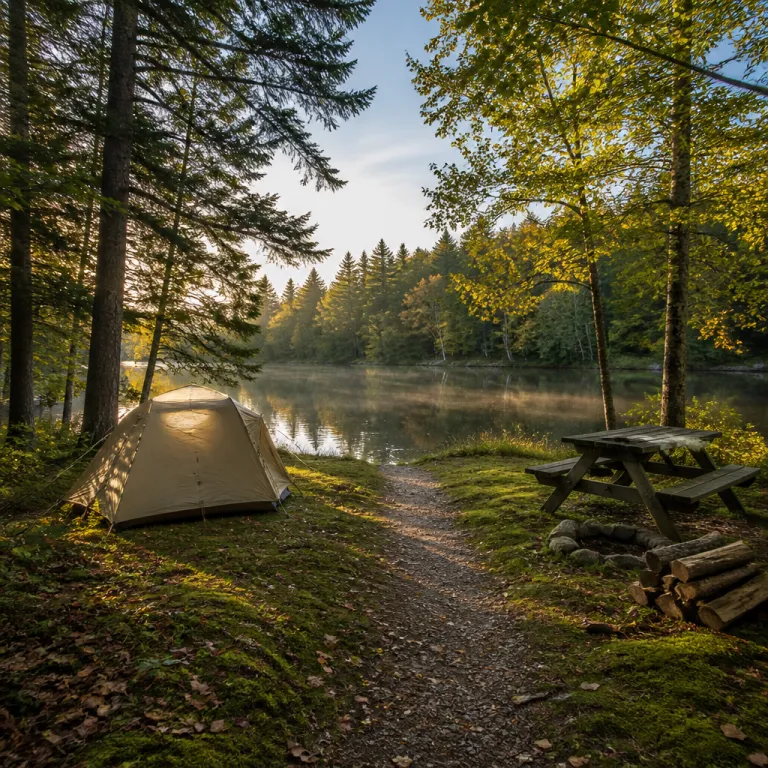
September camping shoulder season value for luxury minded travelers
September camping shoulder season value is the quiet luxury of the outdoor calendar, when the crowds thin but the landscapes feel more generous. For travelers used to five star suites, this is the season when a carefully chosen camp in the United States delivers the same sense of privacy and service, yet at rates that undercut peak season hotel prices by a wide margin. During these shoulder months, the best campground options become a refined alternative to a traditional city hotel stay, especially for a solo explorer who values space, silence, and a more elemental camping experience.
Data from state park systems and private campground groups consistently show that after Labor Day, average campsite occupancy can drop by around 70 percent, while typical cost savings during the shoulder season can reach close to 50 percent compared with the high summer months of peak season. That shift in demand is the core advantage behind September camping shoulder season value, because the same waterfront site or forest platform that felt overrun in July suddenly becomes a near private retreat, with lower peak pricing and staff who finally have time to share local insight. For luxury and premium booking platforms focused on season camping, this is the cheapest time of the year to secure a high specification site with power, privacy, and curated amenities that would be fully booked during any summer holiday weekend.
For hotel loyalists, the comparison is simple and persuasive, since a premium campground in September can cost less than half the rate of a mid range city room while offering a richer camping trip narrative. A lakeside campground that charges 70 dollars per night during peak season might drop to 35 or 40 dollars once the shoulder season begins, especially on midweek days when campers are scarce and the time to camp feels endless. When a booking website highlights that kind of budget friendly differential clearly, September camping shoulder season value stops being a niche secret and becomes a rational choice for travelers who usually filter by five star ratings rather than by trail access or fall foliage views.
Price drops, cooler nights and the real cost of comfort
Luxury travelers understand rate tables, and September camping shoulder season value is written directly into the campground calendar once schools reopen. In many U.S. state parks, serviced sites that command 50 to 80 dollars per night during the hottest summer months often fall to 20 to 50 dollars after Labor Day, especially for midweek extended stay bookings that fill otherwise empty loops. Private chains mirror this pattern, with well known family focused brands cutting prices sharply outside their defined peak season, which means a solo camper can upgrade to a premium site with power and space for less than a standard pad in July.
Temperature is the other quiet advantage, because this time of year usually brings warm days and cool nights that feel made for a refined camping experience rather than survival in a heatwave. In most regions of the United States, overnight lows in September drop into a comfortable range that makes a down quilt feel indulgent instead of essential, and the high humidity of summer retreats just enough to keep a tent interior dry. That combination of lower peak temperatures and softer light turns a simple camping trip into something closer to an open air suite, especially when you add good food, a thoughtful camp store selection, and a glass of wine under a sky finally free of mosquitoes.
Operationally, many campgrounds remain fully staffed through the end of the month, even if some close by September 30 while others extend their season camping schedule into October to capture late fall foliage demand. This is where a premium booking website earns its keep, by clearly flagging which campground options offer heated wash blocks, which sites are ideal for a quiet extended stay, and which weekends still feel like a common shoulder between summer and fall. If you are planning a refined stay at a remote Nordic style property with limited contact options, guidance such as this detailed article on how to plan a refined stay at Campsjusjoen when there is no phone number becomes a template for how to approach any high end, low information camp in the shoulder season.
Trail solitude, fall color and the luxury of empty space
Once the Labor Day rush fades, September camping shoulder season value shifts from pure price to something more subtle, because the real luxury becomes space and silence. Visitor counts at many national and state parks can fall by 40 to 60 percent after the holiday, which means that the same trail that felt like a procession in July becomes a private path for solo campers in late September. For a traveler used to concierge desks and velvet ropes, this is the time of year when the forest itself becomes the exclusive lounge, and the only line is the one on the map leading from your site to the ridge.
At altitude, the first hints of fall foliage start to appear by late September, with aspens and maples turning gold above still green valleys, and that layered color is a major part of September camping shoulder season value for photographers and hikers. Wildlife patterns shift as well, with migrations beginning and the frantic energy of the summer breeding season giving way to slower, more observable routines that reward patient campers who rise early and move quietly. When you book through a curated platform that understands these rhythms, you can filter for campground locations that sit just below the snow line, where the days remain pleasant but the nights are crisp enough to justify a fire and a good sleeping bag.
Some luxury nature escapes, such as the refined lakeside cabins at 933 The Woodlake Chalet in Innsbrook, demonstrate how a property can lean into this shoulder season atmosphere by pairing high comfort interiors with direct access to quiet trails and glassy water. The same principle applies to premium campsites, where the best sites in September are often those that trade proximity to the camp store for a little extra walking distance and a better view. For a solo explorer, that walk back to camp at the end of the day, with no other campers in sight and only the sound of leaves underfoot, is the clearest expression of why September camping shoulder season value feels richer than any crowded summer holiday weekend.
Operational realities, bugs, and how to book like an insider
September camping shoulder season value does not mean every campground is open or operating at full capacity, so the informed traveler treats the month like a shifting map rather than a fixed calendar. Many public campgrounds in northern states close water systems by the end of September, even if they allow dry camping into October, while others in milder regions keep full services running well past the first fall foliage. Luxury oriented private sites often stay open longer, because their guests are willing to pay for heated washrooms, upgraded food offerings, and staff who can maintain a high standard of service even when the number of campers drops.
Bug math is another underappreciated advantage, since cooler nights dramatically reduce mosquitoes, ticks, and flies at most elevations, which changes the texture of the camping experience. In July, a riverside camp might require head nets, constant repellent, and closed tent doors, while in late September the same site can feel almost insect free, allowing you to leave panels open for airflow and enjoy the sound of water without the high pitched whine of summer pests. For a solo traveler who values comfort, this is the cheapest time to enjoy a near perfect balance of temperature, light, and insect activity, and it is a key reason why September camping shoulder season value resonates with guests who usually book upscale hotels.
Booking strategy matters, because the best September sites often go to those who understand how to read a campground map and cross reference it with sun angles, prevailing winds, and likely noise sources such as the camp store or playground. On a platform like CampsiteStay, you can use filters to prioritize quiet loops, lakefront pads, or sites that suit an extended stay, then compare those options with curated hotel style stays such as elegant resorts in California that welcome large family reunions when you want a mixed itinerary. Treat each September camping trip as a limited min read in your personal travel story, and you will start to see how this time of year offers a rare combination of budget friendly rates, lower peak crowds, and a level of control over your environment that even the best city hotel cannot match.
Hidden gem campsites and seasonal rituals for the solo explorer
September camping shoulder season value is most vivid at hidden gem sites that never make the summer brochures, because they lack water parks or organized trick or treating weekends but excel at quiet views and thoughtful design. These are the campgrounds where a handful of premium sites sit on a bluff or tucked into old growth forest, and where the camp store sells local cheese and fresh bread instead of plastic toys. For a solo explorer, this is the best time of year to book such places, since the absence of family holiday crowds and the presence of cooler air combine to create a calm, adult oriented camping experience.
Seasonal rituals still matter, and many high quality campgrounds mark the shoulder season with low key events that feel more like a wine bar than a carnival, even when they nod to traditions such as late season trick treating for children. Some properties host harvest themed food weekends, pairing regional produce with campfire cooking classes that elevate the usual camping trip menu into something closer to a chef led tasting, while others focus on guided hikes that showcase early fall foliage and wildlife behavior. For travelers who usually celebrate Mother Day or Father Day with a hotel brunch, shifting one of those family gatherings into a September extended stay at a refined campground can create a new ritual that costs less than a city weekend yet feels more memorable.
From an operational perspective, campground operators and campers both benefit when this common shoulder period between summer and fall is used to test new services, such as gear rental programs or upgraded shower facilities, because demand is lower but feedback is still rich. As one industry explanation puts it, “What is shoulder season? The period between peak and off-peak travel times, typically spring and fall. Why camp in September? Fewer crowds, pleasant weather, and lower costs. Are campgrounds open in September? Many remain open, often with reduced rates.” For a luxury and premium booking website, presenting this information clearly, alongside transparent pricing and honest reviews, is the essence of September camping shoulder season value and the reason discerning travelers keep returning to this time camp after camp.
FAQ
What makes September camping shoulder season value better than peak summer?
September camping shoulder season value combines lower prices, fewer campers, and more comfortable temperatures than the high heat of the summer months. Many campgrounds reduce nightly rates by up to half compared with peak season, especially after Labor Day when demand drops sharply. Trails, facilities, and premium sites feel calmer, so the overall camping experience is closer to a private retreat than a crowded holiday park.
Is September really the cheapest time of year to camp in the United States ?
For many regions, September is often the cheapest time to secure high quality campsites without sacrificing weather or services, especially during midweek stays. State parks and private campgrounds frequently lower peak season rates once the school calendar resumes, and some introduce special shoulder season offers for extended stay bookings. While late fall and winter can be cheaper in absolute terms, September camping shoulder season value is stronger because conditions remain comfortable for most campers.
How do I know which campgrounds stay open through the fall ?
Each campground sets its own operating calendar, so you should always check official park or property websites before planning a camping trip. Many public campgrounds publish clear closing dates for water systems and full services, while private luxury sites often extend their season camping schedule into October to capture fall foliage demand. Premium booking platforms aggregate this data, allowing you to filter for open dates, available services, and specific weekends that match your travel plans.
Are bugs really less of a problem during the September shoulder season ?
Cooled nighttime temperatures in September significantly reduce mosquito, tick, and fly activity at most elevations, which improves comfort for campers. While no time of year is completely insect free, the shoulder season usually requires less repellent and fewer protective layers than the peak summer months. This reduction in bugs is a key part of September camping shoulder season value, especially for travelers who prioritize sleep quality and relaxed evenings outside.
Is September camping suitable for solo travelers used to hotels ?
September is an excellent time for hotel accustomed solo travelers to try camping, because campgrounds are quieter and staff have more time to assist with questions. Premium sites with power, quality washrooms, and nearby food options can ease the transition from hotel rooms to tents or cabins, while lower rates keep the experiment budget friendly. By choosing well reviewed campgrounds and booking through a trusted platform, solo explorers can enjoy a controlled, comfortable camping experience that still feels adventurous.
References
Adventures for Wilderness – planning shoulder season trips.
Camplinq – analysis of camping in the shoulder season.
KOA and U.S. State Park system public rate tables and occupancy reports.